
NuclearTalks – Israel Signals Readiness for Renewed Military Action Against Iran
NuclearTalks – Israel’s military leadership has indicated that the country is fully prepared to restart large-scale military operations against Iran if required, even as diplomatic discussions involving Tehran and Washington appear to be making gradual progress.
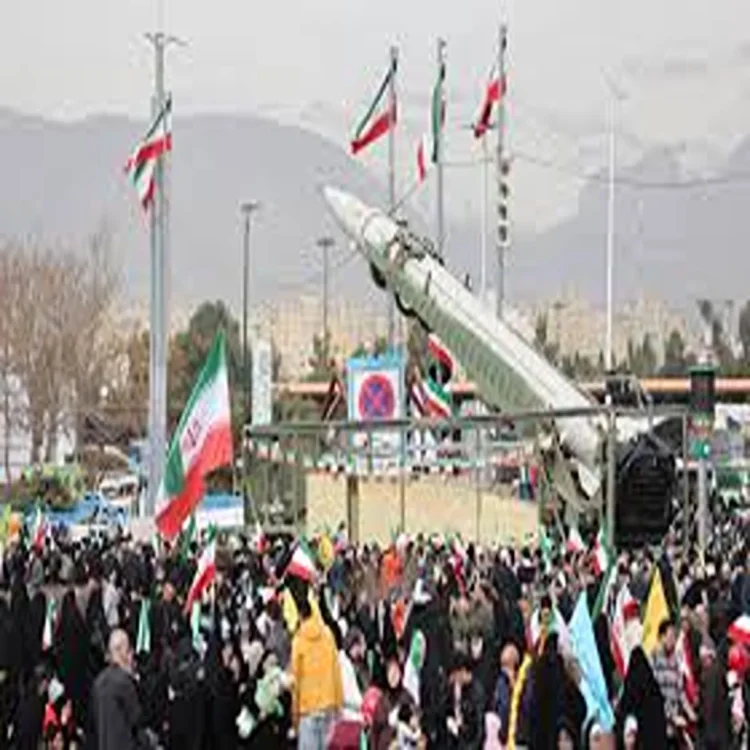
Israeli Military Maintains Combat Readiness
Speaking during a security assessment meeting at the Northern Command headquarters on Sunday, Israel Defense Forces Chief of Staff Eyal Zamir said the military remains on high alert and ready for immediate action. According to an official military statement, Zamir stressed that Israeli forces are capable of launching intensified operations at short notice if national security demands it.
He noted that Israel intends to maintain operational flexibility while continuing efforts to reduce what it describes as threats linked to Iran’s regional activities and strategic capabilities. His remarks reflected ongoing concerns within Israel’s defense establishment despite reports suggesting movement in diplomatic negotiations between Iran and the United States.
Progress Reported in US-Iran Discussions
The comments came at a time when American and Iranian officials were reportedly advancing discussions aimed at preserving a ceasefire arrangement and ensuring maritime stability in the Strait of Hormuz. International observers view the waterway as one of the world’s most critical oil shipping routes, making any disruption a major global concern.
Although negotiators are said to have achieved progress on certain regional security matters, differences reportedly remain over Iran’s nuclear activities. Tehran’s nuclear program continues to be a major point of disagreement between Western governments and Iranian authorities, particularly regarding uranium enrichment and international oversight.
Netanyahu’s Security Cabinet Reviews Situation
Amid the changing diplomatic landscape, Israeli Prime Minister Benjamin Netanyahu was expected to convene a meeting of the country’s security cabinet later on Sunday. The gathering was anticipated to focus on developments surrounding the Iran talks and Israel’s broader regional security strategy.
Netanyahu also addressed the situation publicly, revealing details of a recent conversation with US President Donald Trump. In a statement shared on social media platform X, Netanyahu said both leaders discussed ongoing negotiations related to Iran’s nuclear program and regional maritime security.
Shared Position on Iran’s Nuclear Program
According to Netanyahu, he and Trump agreed that any future agreement involving Iran must remove what they described as the nuclear threat posed by Tehran. Netanyahu stated that such an outcome would require dismantling Iran’s enrichment infrastructure and removing enriched nuclear material from Iranian territory.
The Israeli leader also praised Washington’s support for Israel during recent military operations, highlighting close cooperation between American and Israeli forces during campaigns aimed at countering Iranian influence in the region.
Continued Military Activity in Lebanon
At the same time, Israeli military operations linked to Hezbollah remain active along the Lebanese front. Zamir stated that Israeli forces continue targeting Hezbollah positions and infrastructure in Lebanon across multiple operational areas.
Although a ceasefire between Israel and Lebanon was announced earlier this year, tensions along the border have persisted. Israeli troops remain deployed in parts of southern Lebanon, while military strikes continue almost daily. Israeli authorities argue the operations are necessary to prevent Hezbollah from rebuilding military capabilities near the border.
The ongoing instability has kept the broader Middle East region under close international observation, particularly as diplomatic efforts involving Iran continue alongside military activity on multiple fronts.
Analysts believe the coming weeks could prove important for determining whether negotiations between Washington and Tehran lead to a longer-term agreement or whether regional tensions escalate further.