
Migration – Boat Breakdown Leaves Dozens Dead After Days Adrift at Sea
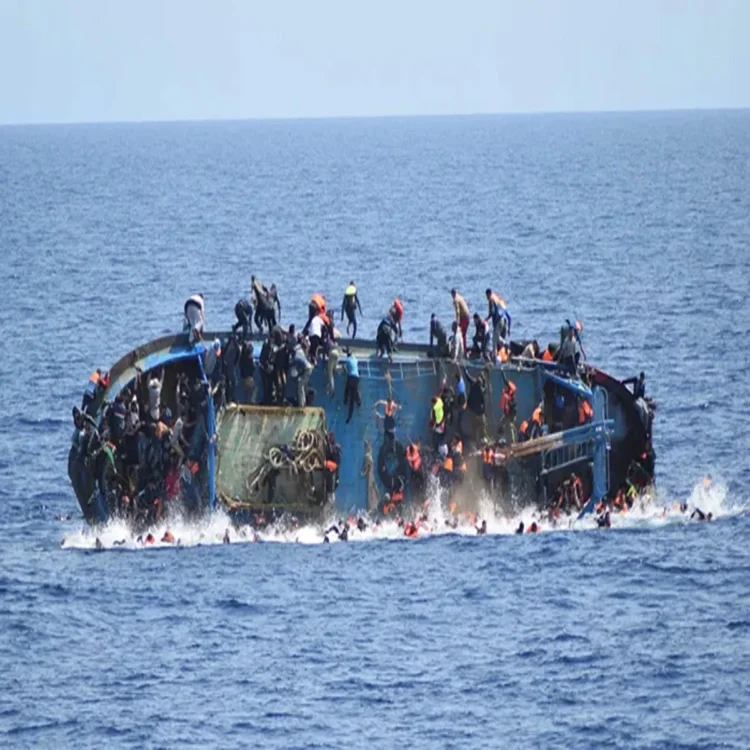
Migration – A tragic maritime incident off the Libyan coast has once again exposed the life-threatening risks faced by migrants attempting to cross the Mediterranean. At least 16 people have been confirmed dead, while nine others are still missing after their vessel drifted aimlessly for more than a week. The boat reportedly suffered a mechanical failure, leaving those on board stranded without sufficient food, water, or navigation.
Rescue Efforts Near Eastern Libya Coast
According to officials, emergency teams launched a rescue operation near the eastern Libyan city of Tobruk, close to the Egyptian border. Volunteers from the Red Crescent, working alongside naval and coast guard units linked to local authorities, managed to pull seven survivors from the sea.
Rescue teams combed the surrounding waters after receiving information about the drifting vessel. Despite difficult conditions, their efforts focused on locating survivors and recovering victims. Those rescued were immediately provided with medical care and humanitarian assistance after being brought ashore.
Deadly Consequences of Boat Failure
Authorities stated that the vessel’s breakdown during the journey played a crucial role in the tragedy. With no means to steer or communicate for help, passengers were left exposed to harsh sea conditions for eight days. The lack of basic supplies compounded the crisis, ultimately leading to multiple deaths.
This incident highlights the recurring dangers associated with irregular sea crossings. Overcrowded boats, poor maintenance, and unreliable equipment continue to put thousands of lives at risk each year along this route.
Libya Remains Key Migration Transit Point
Libya has long served as a major departure point for migrants, particularly those from sub-Saharan Africa. Many individuals travel across deserts and conflict zones before attempting the sea journey toward Europe. Their motivations often stem from escaping violence, political instability, or extreme economic hardship.
Despite frequent reports of shipwrecks and fatalities, the flow of migrants has not stopped. The central Mediterranean route remains one of the most hazardous migration corridors globally, with humanitarian organizations repeatedly warning about its risks.
Ongoing Search for Missing Individuals
Local security officials indicated that the bodies of those still missing may surface along nearby shores in the coming days due to prevailing sea currents. Search operations are continuing in surrounding coastal areas as authorities attempt to locate the remaining victims.
Images released by rescue teams showed volunteers handling recovered bodies with care, placing them in protective coverings before transporting them away from the site. These scenes reflect the grim realities faced by emergency responders dealing with such disasters.
Crackdown on Human Trafficking Networks
In a separate but related development, Libyan authorities have taken action against criminal groups involved in migrant smuggling. A court in Tripoli recently sentenced four individuals linked to a trafficking network operating in the western town of Zuwara. The group was found guilty of serious offenses, including abducting migrants for ransom and subjecting them to abuse.
Additionally, prosecutors have ordered the arrest of another group accused of organizing unsafe sea crossings from Tobruk. One such journey ended in tragedy when a boat capsized, resulting in the deaths of 38 migrants from Sudan, Egypt, and Ethiopia.
Growing Humanitarian Concern
The latest incident has once again drawn attention to the broader humanitarian crisis unfolding across migration routes in the Mediterranean. Aid agencies and international bodies continue to call for stronger measures to prevent such tragedies, including improved rescue coordination and stricter action against trafficking networks.
For many migrants, however, the risks remain secondary to the hope of a better future. As long as underlying issues such as conflict, poverty, and lack of opportunity persist, dangerous journeys like these are likely to continue.