
Measles – Overseas Travel Linked to Rising Cases in New South Wales
Measles – Health authorities in the Australian state of New South Wales have reported a noticeable rise in measles infections over the past year, with most cases traced back to overseas travel. Officials say many of the infections were linked to people returning from Southeast Asia, raising concerns about the impact of international movement on disease transmission.
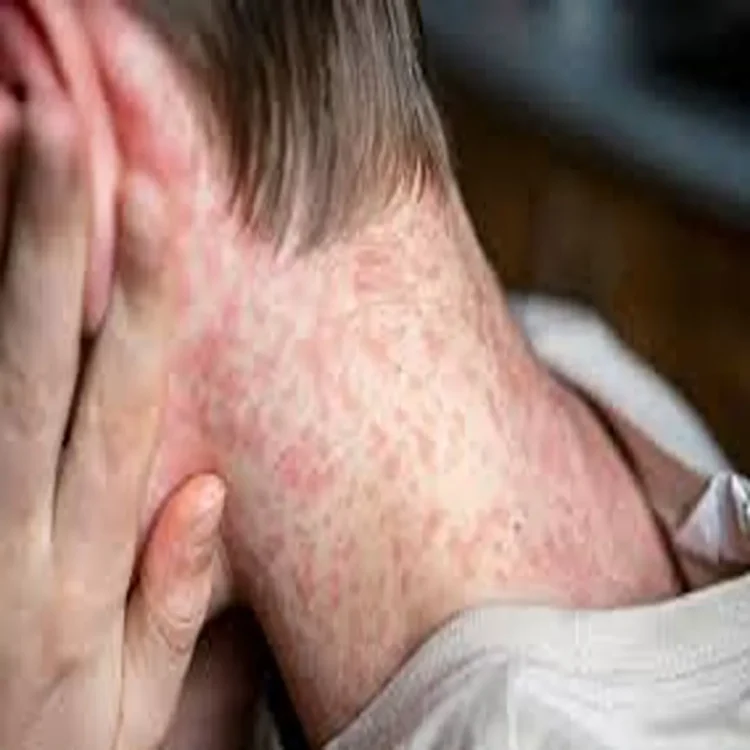
Imported Infections Driving Majority of Cases
According to a report released by the New South Wales Department of Health, a total of 60 confirmed measles cases were recorded in the state between January 1, 2025, and March 7, 2026. Health officials noted that more than half of these infections were contracted outside Australia.
Among the confirmed cases, 34 individuals became infected while traveling abroad. Of those, 32 had recently visited countries in Southeast Asia, indicating that the region has been a significant source of imported infections for the state.
Health authorities explained that international travel continues to play a major role in the reintroduction of measles into areas where the disease is otherwise well controlled.
Local Transmission Linked to Imported Cases
The report also found that several local infections occurred after travelers returned to the state. At least 18 cases were directly connected to an individual who had acquired measles overseas, demonstrating how imported infections can quickly lead to local transmission.
In addition, eight cases could not be traced to a specific source, suggesting that undetected exposure or brief contact with infected individuals may have contributed to the spread.
Public health officials say that this pattern is typical for measles outbreaks in countries where the disease is largely under control but still vulnerable to imported cases.
Rising Case Numbers Compared With Previous Years
Data from the National Notifiable Disease Surveillance System, managed by the Australian Center for Disease Control, shows that the number of infections has increased compared with earlier years.
As of Thursday, New South Wales had already recorded 25 confirmed measles cases in 2026. For comparison, the state reported a total of 37 cases during the entire year of 2025 and 18 cases in 2024.
The neighboring state of Victoria has also experienced a similar trend. Authorities there confirmed 21 cases so far in 2026, compared with 36 cases in 2025 and 17 cases in 2024.
Health experts say these figures highlight how easily measles can reappear when immunity levels in the population fall slightly below the recommended threshold.
Health Officials Stress Importance of Vaccination
Public health leaders say the situation serves as a reminder of the critical role vaccination plays in preventing outbreaks.
Vicky Sheppeard, Executive Director of Health Protection in New South Wales, emphasized that maintaining high vaccination coverage is essential to stop the virus from spreading when cases are imported from overseas.
Government data indicates that Australia’s measles vaccination rate for children aged two is currently about 91.2 percent. While this level provides significant protection, it remains slightly below the national target of 92 to 94 percent needed to achieve strong herd immunity.
Health officials say that even small gaps in vaccination coverage can allow measles to spread more easily, particularly when infected travelers return from regions where the virus is still circulating.
Understanding Why Measles Spreads So Easily
Medical experts warn that measles remains one of the most contagious viral diseases in the world. The virus spreads through droplets released when an infected person coughs or sneezes, and it can also remain suspended in the air.
Research shows that the virus can stay active in the air or on surfaces for up to two hours, allowing people to become infected even after an infected person has left the area.
Because of this high level of transmissibility, a single infected individual can potentially infect up to 18 other people if those around them are not immune.
Vaccination Remains the Most Effective Protection
Health authorities continue to advise that vaccination is the most reliable way to prevent measles infection and stop it from spreading in the community.
The measles vaccine has been widely used for decades and is considered safe and effective. By stimulating the body’s immune response, the vaccine helps protect individuals from severe illness and reduces the risk of outbreaks within the wider population.
Public health officials encourage travelers, families, and communities to ensure vaccinations are up to date, particularly before international travel, to help prevent the virus from spreading further.