
Iran – Mojtaba Khamenei Chosen as New Leader After Assembly Decision
Iran – Iran has formally entered a new phase of leadership after the Assembly of Experts elected Ayatollah Seyyed Mojtaba Hosseini Khamenei as the country’s new Leader of the Islamic Revolution.
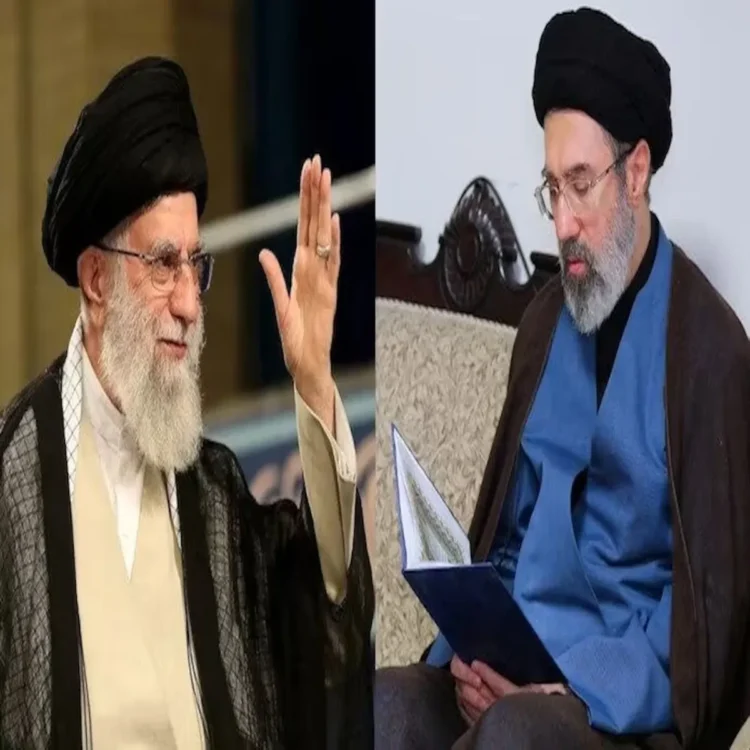
Iranian President Masoud Pezeshkian publicly congratulated Mojtaba Khamenei following the decision, which was confirmed by the country’s state broadcaster Press TV. The appointment comes after the death of the previous leader, widely known as Imam Khamenei, and concludes the official process to select a successor for the nation’s highest authority.
Assembly of Experts Confirms New Leadership
The decision was finalized on Sunday by Iran’s 88-member Assembly of Experts, the constitutional body responsible for appointing and supervising the Supreme Leader. After deliberations, the assembly selected Mojtaba Khamenei to assume the position previously held by his father.
The vote followed a period of national mourning after the death of the former leader. Iranian authorities had initiated formal procedures to ensure continuity in governance and leadership during the transition.
Officials described the selection as part of the country’s constitutional framework, emphasizing that the Assembly of Experts holds the responsibility of choosing the leader based on religious qualifications, political experience, and leadership capability.
President Describes Appointment as a Historic Moment
In an official message released after the announcement, President Pezeshkian described the leadership change as an important milestone for the nation. He stated that the appointment could mark the beginning of a new chapter for Iran, emphasizing the significance of unity during a period of global uncertainty.
According to the statement cited by Press TV, the president said the selection reflects the collective will of the Islamic community and reinforces internal solidarity within the country.
He suggested that national cohesion would play a critical role in maintaining political stability and safeguarding Iran from external pressures.
Emphasis on Unity and National Strength
Pezeshkian also highlighted the importance of unity among the Iranian people, describing it as a key element in strengthening the country’s institutions. He argued that solidarity within the nation acts as a protective barrier against outside interference and geopolitical challenges.
The president emphasized that collective participation and trust between leadership and citizens would be essential in navigating the country through future challenges.
Government officials have frequently stressed the need for social cohesion in recent years, particularly amid ongoing economic difficulties and regional tensions.
Legacy of the Previous Leader
Reflecting on the legacy of Imam Khamenei, Pezeshkian acknowledged the long period of leadership that shaped Iran’s political and ideological direction. He credited the former leader with maintaining the foundations of the Islamic Republic and preserving the structure of the revolution.
According to the president, those foundations now provide a stable framework for the incoming leader to continue guiding the country.
Supporters of the transition argue that maintaining continuity in leadership could help preserve the policies and institutional structure developed over the past decades.
Vision for Future Development
Looking ahead, the president outlined an optimistic vision for Iran under the new leadership. He expressed hope that the country would move toward greater economic resilience, scientific advancement, and technological development.
Pezeshkian also spoke about the importance of social justice and sustainable growth, suggesting that progress in these areas could strengthen Iran’s position internationally while improving living conditions for its citizens.
Officials maintain that these ambitions remain achievable despite the economic sanctions and geopolitical tensions that continue to affect the country.
Challenges and Confidence in National Resilience
While acknowledging current difficulties, the president expressed confidence in the resilience of the Iranian people. He noted that the nation has historically endured significant challenges and has repeatedly overcome obstacles through perseverance and collective effort.
He pointed to the determination of Iran’s armed forces and the resilience of its citizens as key factors that have helped the country withstand external pressure.
According to Pezeshkian, the success of the new leadership will depend on maintaining public trust, encouraging broad participation, and continuing policies aimed at strengthening national stability.
The leadership transition comes slightly more than a week after the death of the former leader, an event that Iranian authorities have attributed to Israeli-American aggression, according to reports carried by Press TV.