
Heatwave – Australia’s Extreme Temperatures Ravage Farms and Wildlife
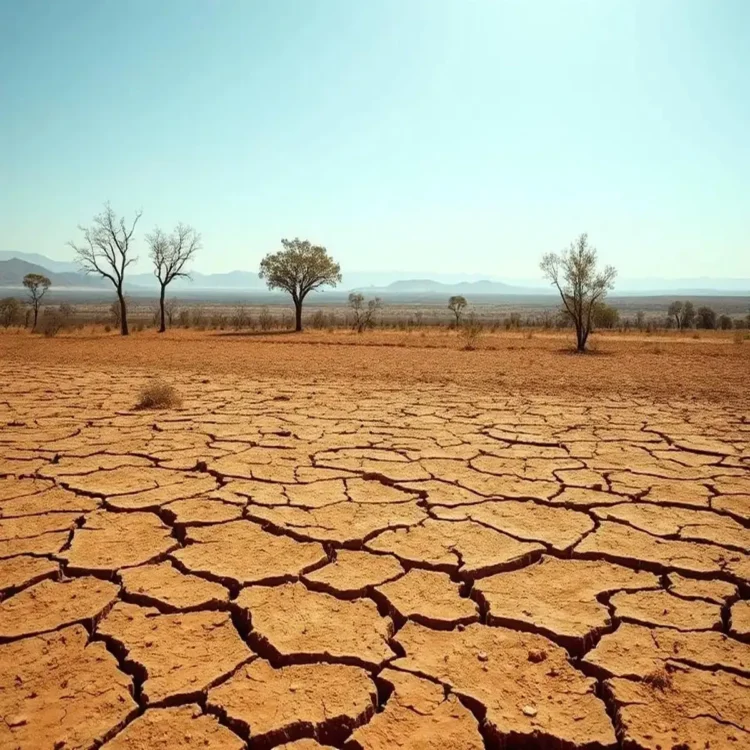
Heatwave- Australia’s recent record-breaking heatwave has left a trail of destruction across vast stretches of the country, with inland temperatures soaring to nearly 50 degrees Celsius in late January. Scientists say the intense and prolonged heat has severely affected farming regions and native wildlife, raising concerns about the growing frequency of such extreme weather events.
Wildlife Losses Mount in Scorching Conditions
The extreme temperatures proved fatal for thousands of flying foxes in South Australia, where mass die-offs were reported as the mercury climbed. Wildlife carers described scenes of animals collapsing from heat stress, overwhelming local rescue groups. The soaring heat placed enormous strain on species already vulnerable to changing climate patterns.
Experts warn that sustained high temperatures disrupt the biological functions of animals. Critical proteins inside cells begin to break down, cell membranes can rupture, and metabolic systems essential for survival may fail. For many species, particularly those unable to seek cooler shelter, survival becomes increasingly difficult during prolonged heatwaves.
Crops Damaged as Farms Struggle
Agricultural producers have also reported significant losses. In Western Australia, mango growers found fruit effectively cooked while still hanging from trees. Farmers said the intense sunlight and persistent heat left produce shriveled and unsellable.
Researchers from the Australian National University, including Agrifood Innovation Institute director Owen Atkin and ecology professor Adrienne Nicotra, explained that heat stress affects plant systems at a fundamental level. Wheat crops, for example, struggle to maintain normal photosynthesis during extreme heat. High temperatures can also damage pollen in cereal crops, reducing seed fertility and sharply lowering yields.
The impact extends beyond individual harvests. Prolonged exposure to high temperatures can lead to widespread plant die-offs, putting livestock feed supplies at risk and increasing financial pressure on rural communities. According to the researchers, overnight heat is particularly harmful because plants and animals are unable to recover when temperatures remain elevated after sunset.
Heatwaves Becoming More Frequent
Scientists note that Australia has experienced deadly heatwaves in the past. The most catastrophic occurred between 1895 and 1896, claiming 435 lives across much of the country. More recently, 432 people died during the 2009 heatwave that affected Victoria and South Australia.
However, researchers emphasize that the nature of modern heatwaves is changing. Episodes of extreme heat are occurring more often and lasting longer. Even if global greenhouse gas emissions were to reach net-zero, experts caution that the warming already locked into the climate system means such events are likely to continue for centuries.
Rising emissions have steadily increased average temperatures nationwide. Summers are becoming hotter, autumns warmer, and even winter months are experiencing unusual heat. These shifts are altering ecosystems and creating new challenges for agriculture and biodiversity.
Call for Adaptation and Research
The authors of the analysis, published on The Conversation, have urged greater investment in scientific research to help mitigate future damage. They recommend identifying heat-tolerant traits in native plant and animal species and developing practical, large-scale approaches to cool landscapes.
Possible strategies include improving vegetation cover, redesigning farming systems to enhance resilience, and exploring innovative technologies to reduce surface temperatures in vulnerable regions. Researchers argue that adaptation measures must move quickly to keep pace with accelerating climate impacts.
As Australia continues to confront more intense heatwaves, scientists stress that coordinated efforts between policymakers, researchers, and industry will be essential. Without decisive action, the country’s agricultural productivity and ecological health may face escalating risks in the decades ahead.