
GlobalShipping – UN Vote Delay Deepens Tensions Over Strait of Hormuz Crisis
GlobalShipping – Iran has cautioned the United Nations Security Council against taking what it described as “provocative measures” related to the ongoing tensions in the Strait of Hormuz, just as a crucial vote on a proposed resolution was unexpectedly postponed.
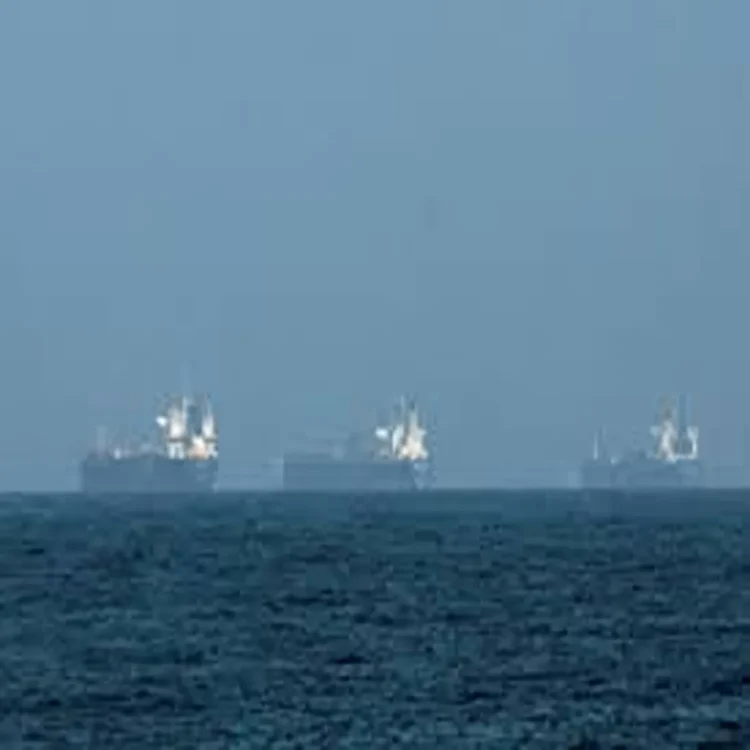
Iran Issues Strong Warning Ahead of Planned UN Vote
Speaking before the scheduled session, Iran’s Foreign Minister Abbas Araghchi stated that any steps perceived as aggressive—particularly those backed by certain nations within the Security Council—could further destabilize an already fragile situation. He emphasized that such moves would not help ease tensions but instead risk worsening the crisis.
The statement came as the Council prepared to vote on a draft resolution aimed at securing maritime traffic through the strategically vital waterway. However, shortly before proceedings began, officials confirmed that the vote had been delayed indefinitely, with no revised timeline announced.
Strategic Importance of the Strait of Hormuz
The Strait of Hormuz holds immense global significance as one of the world’s most critical oil transit routes. A substantial portion of international energy supplies passes through this narrow corridor, making any disruption a matter of global concern.
Since late February, the region has faced severe instability following coordinated military strikes by the United States and Israel targeting Iranian positions. In response, shipping activity in the area has significantly declined, with reports indicating that the route is nearly non-operational due to security fears and rising hostilities.
Draft Resolution and Divided Global Response
The proposed resolution, introduced by Bahrain, sought authorization for the deployment of a multinational force tasked with ensuring the safety of commercial vessels navigating the Strait. The plan included provisions for what was described as “defensive measures” to counter potential threats to shipping.
The initiative received backing from the United States and several Gulf nations, particularly those economically impacted by the disruption in maritime trade. These countries have pushed for urgent international intervention to restore safe passage and stabilize energy markets.
However, not all members of the 15-nation Security Council were aligned. Countries such as Russia, China, and France raised concerns over earlier versions of the draft, questioning both the scope of military involvement and the potential consequences of escalating the situation further.
Diplomatic Uncertainty Following Vote Postponement
The sudden postponement of the vote has added a layer of uncertainty to an already tense geopolitical landscape. Analysts suggest that the delay reflects deep divisions within the Council, as member states struggle to reach consensus on how best to address the crisis without triggering wider conflict.
While no official reason was provided for the postponement, diplomatic sources indicate that ongoing negotiations and disagreements over the wording and implications of the resolution played a key role.
Rising Stakes for Global Energy and Security
The continued disruption in the Strait of Hormuz is not only a regional issue but a global one, affecting energy prices, shipping routes, and international trade flows. Any prolonged instability could have far-reaching economic consequences, particularly for countries heavily dependent on oil imports.
Iran’s warning signals its firm stance against foreign intervention in the region, while the divided response within the UN highlights the complexities of managing such a sensitive geopolitical issue.
As discussions continue behind closed doors, the international community remains watchful, aware that decisions made in the coming days could shape both regional stability and global economic conditions.