
Energy – Global Shift Revives Nuclear Power Debate Four Decades Later
Energy – Nearly four decades after the Chernobyl catastrophe reshaped global attitudes toward nuclear energy, the sector is witnessing a notable resurgence. Once viewed with deep skepticism due to safety concerns, nuclear power is now being reconsidered by many nations as a dependable and low-carbon energy source, especially amid geopolitical tensions and rising electricity demands.
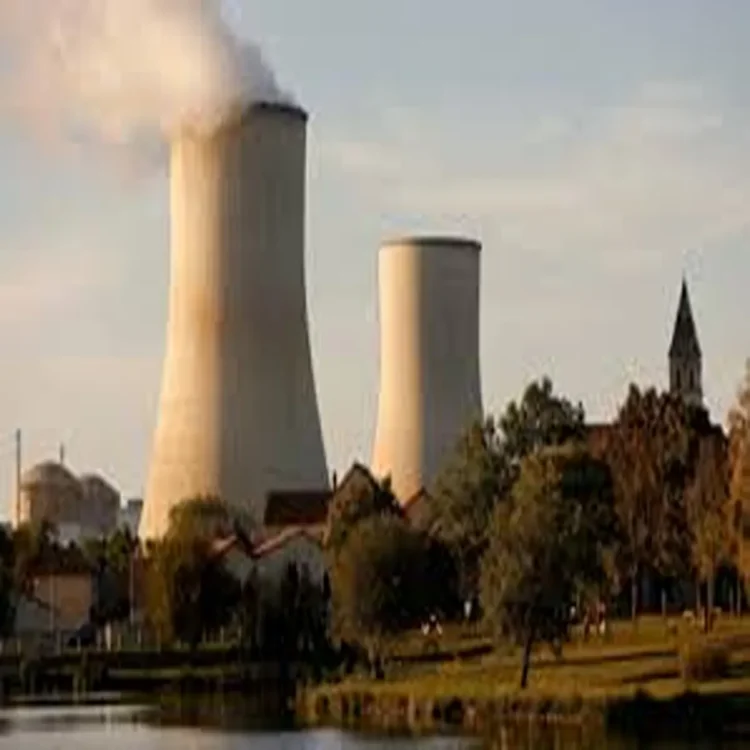
Renewed Interest in Nuclear Energy Worldwide
Today, more than 400 nuclear reactors operate across 31 countries, with around 70 additional units under construction. Nuclear energy contributes roughly 10 percent of global electricity production and represents a significant share of low-carbon power generation. Advances in reactor technology have improved safety mechanisms and reduced costs, making nuclear power more attractive than it was in previous decades.
Experts believe this renewed interest was anticipated. The memory of disasters like Chernobyl in 1986 and Fukushima in 2011 had slowed progress, but growing energy needs and climate goals have brought nuclear power back into focus. Recent geopolitical conflicts, particularly in energy-sensitive regions, have further reinforced the importance of stable electricity sources.
Major Economies Expand Nuclear Capacity
The United States remains the largest producer of nuclear energy, operating 94 reactors that generate nearly one-third of global nuclear electricity. It is also working toward significantly expanding its nuclear capacity by mid-century to meet future energy demands, including those driven by emerging technologies like artificial intelligence.
China is rapidly catching up, with 61 reactors already in operation and nearly 40 more under construction. Its long-term strategy aims to surpass the United States and become the global leader in nuclear energy production.
Other regions are also strengthening their nuclear capabilities. Japan has restarted several reactors after implementing stricter safety measures following the Fukushima disaster. In Africa, South Africa continues to operate the continent’s only nuclear plant, while countries like Egypt are moving forward with new projects.
Europe Reassesses Its Energy Strategy
Europe’s approach to nuclear power has undergone a significant shift. After years of reducing reliance on nuclear energy, the region is reconsidering its stance due to energy security concerns. The disruption of traditional energy supplies has exposed vulnerabilities tied to fossil fuel dependence.
Nuclear power, once sidelined, is now being recognized as part of the clean energy mix alongside renewables such as wind and solar. The European Union is exploring the development of small modular reactors, which are expected to be more flexible and cost-effective than traditional plants.
However, policies vary widely across the continent. France continues to champion nuclear energy, while countries like Germany have fully phased it out. Belgium has reversed its earlier decision to shut down reactors, whereas Spain still plans a gradual exit.
France Maintains Strong Nuclear Backbone
France stands out as a leading example of long-term commitment to nuclear energy. With 57 reactors across 19 facilities, the country generates about 70 percent of its electricity from nuclear sources. The government has announced plans to build new reactors to support climate targets and ensure energy independence.
Recent global challenges, including supply disruptions and the pandemic, have reinforced France’s strategy of maintaining and extending the life of its existing nuclear infrastructure.
Germany Holds Firm on Phase-Out Policy
In contrast, Germany has completed its transition away from nuclear power. The shutdown of its last reactors marked the end of a decades-long policy shaped by public opposition and environmental concerns. While discussions about future technologies continue, a return to large-scale nuclear power appears unlikely in the near term.
Russia Expands Influence in Nuclear Sector
Russia continues to play a major role in the global nuclear landscape. It operates dozens of reactors domestically and is actively involved in building new facilities across multiple regions, including Europe, Asia, and Africa. Its expertise in reactor construction has made it a key exporter of nuclear technology.
Nuclear Energy’s Role in Future Power Needs
As global electricity demand continues to rise, energy experts emphasize the importance of reliable and low-emission power sources. Nuclear energy is increasingly seen as a practical solution to balance sustainability with consistent supply.
While challenges remain, including safety concerns and public perception, the current momentum suggests that nuclear power will play a growing role in the world’s energy mix in the coming decades.