
Defense – US Lawmakers Raise Alarm Over Weapons Shortages and Nuclear Risks
Defense – The United States is facing growing concerns over the strain on its weapons reserves and an increasingly complex global nuclear environment, as lawmakers voiced sharp warnings during a recent Senate hearing. Discussions highlighted both immediate military challenges and long-term strategic uncertainties linked to the ongoing conflict with Iran and weakening arms control frameworks.
Rising Pressure on US Weapons Stockpiles
During a Senate Foreign Relations Committee session, senior lawmakers pointed to the rapid pace at which military resources are being consumed. Senator Jeanne Shaheen noted that the current rate of weapons deployment has revealed significant gaps in planning and preparedness.
She referred to a recent decision by the administration to approve over $16 billion in arms sales to Middle Eastern allies using emergency powers, bypassing the usual Congressional oversight process. According to her, such moves reflect the urgency of the situation but also underline deeper concerns about sustainability.
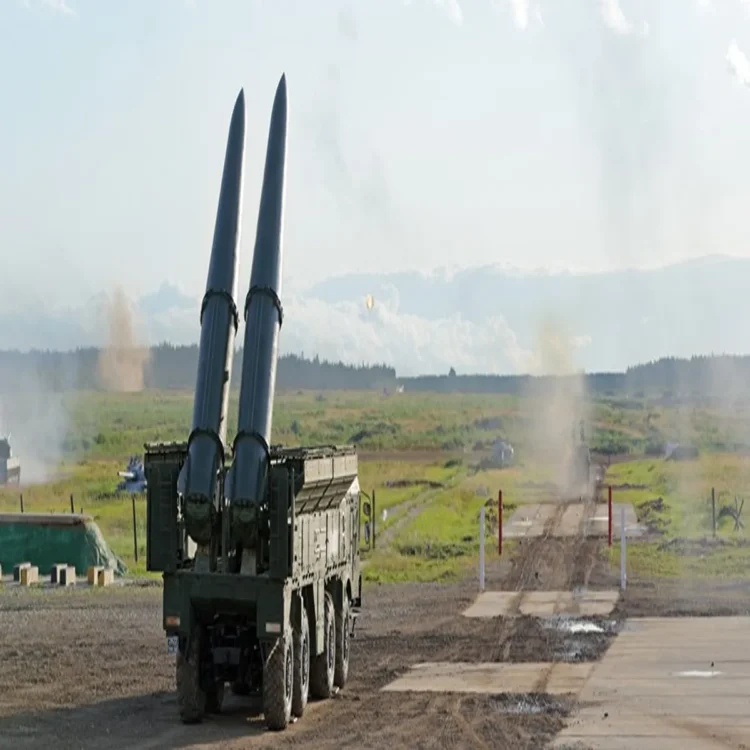
Shaheen warned that US stockpiles, particularly missile interceptors, are being depleted faster than expected. In some cases, available reserves reportedly meet only a fraction of operational requirements. She also raised questions about the broader objectives of the ongoing military engagement with Iran, suggesting that a clear long-term strategy remains uncertain.
Impact on Global Commitments
The strain on US resources is beginning to affect its commitments elsewhere. Lawmakers highlighted that support for Ukraine has become less consistent, prompting allies to step in and procure American-made weapons independently to fill the gaps.
Shaheen emphasized a notable shift in modern warfare, pointing out that a large majority of recent strikes in conflict zones are now carried out using drones. This trend reflects a growing reliance on autonomous systems and coordinated drone operations. However, she cautioned that US military support and production capabilities are not keeping pace with these evolving demands.
Recent assessments have also raised concerns about dwindling supplies of advanced missile defense systems, sparking doubts about the country’s ability to manage multiple high-intensity conflicts at the same time.
Administration Defends Strategic Approach
In response to these concerns, Senate Committee Chairman Jim Risch defended the administration’s actions, arguing that the current military operations are necessary to address emerging threats.
He described the situation as part of a broader global shift, where the United States must adapt to new security realities. According to Risch, the world is entering a phase marked by multiple powerful nuclear actors, including Russia and China, alongside nations pursuing nuclear capabilities.
Risch stressed that traditional arms control agreements no longer adequately address these challenges. He argued that as rival nations continue to expand their nuclear arsenals, the United States must also strengthen its own capabilities to maintain strategic balance.
Changing Landscape of Arms Control
Officials from the State Department echoed the need for updated frameworks. Thomas DiNanno, a senior official overseeing arms control and international security, stated that the administration is working toward agreements that are both verifiable and enforceable under current global conditions.
He criticized older treaties, including the New START agreement, describing them as outdated and insufficient for addressing modern threats, particularly China’s expanding nuclear program.
Growing Concerns Over Global Nuclear Expansion
Lawmakers from both political parties expressed concern over the weakening of international arms control efforts. Negotiations aimed at establishing new agreements have reportedly stalled, with China’s reluctance to engage seen as a major obstacle.
Shaheen also highlighted increasing risks from Russia, including the deployment of tactical nuclear weapons closer to NATO territories and the development of advanced systems that are more difficult to monitor.
At the same time, China is rapidly expanding its nuclear infrastructure, reportedly constructing hundreds of new missile silos while maintaining limited transparency about its capabilities.
A Critical Moment for US Defense Strategy
The hearing took place against the backdrop of escalating tensions following US military actions targeting Iran. These developments have significantly increased the demand for sophisticated weaponry and missile defense systems, placing additional pressure on already stretched resources.
As global security dynamics continue to evolve, lawmakers signaled that the United States faces urgent decisions on defense planning, resource allocation, and international cooperation to navigate an increasingly uncertain future.