
Defense – Pentagon Removes Senior Army Leaders Amid Ongoing Iran Conflict
Defense – The United States has witnessed a sudden shake-up in its military leadership as Defense Secretary Pete Hegseth removed the Army’s top uniformed officer along with two other senior generals. The Pentagon confirmed the development on Thursday but did not provide any explanation for the abrupt changes, which come at a time when American forces remain actively engaged in a conflict involving Iran.
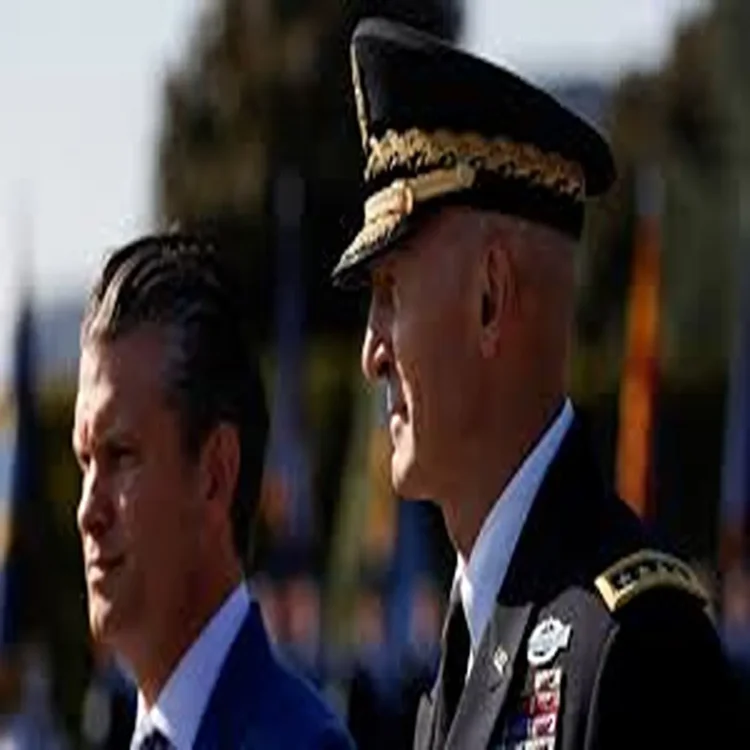
Army Chief of Staff Asked to Step Down
General Randy George, who had been serving as the 41st Chief of Staff of the Army since August 2023, has been relieved of his duties with immediate effect. According to Pentagon spokesperson Sean Parnell, George will retire from his position without completing the typical four-year term associated with the role. His tenure began during the previous administration and had continued into the current one until this sudden decision.
The move has raised questions within defense circles, particularly because no official reason has been shared for his departure. The timing is also significant, as it coincides with ongoing military operations in the Middle East.
Additional Generals Also Removed
Alongside General George, two other senior Army officials—General David Hodne and Major General William Green—have also been dismissed. While Hodne was leading the Army’s Transformation and Training Command, Green was serving as the Army’s chief of chaplains. As with George, no formal explanation has been offered for their removal.
These decisions are part of a broader pattern seen since Hegseth assumed office last year. More than a dozen high-ranking military officers, including both generals and admirals, have either been dismissed or opted for early retirement during this period.
Rapid Rise of Interim Replacement
General Christopher LaNeve has been appointed as the acting Chief of Staff of the Army. His rise within the military ranks has been notably swift. Just two years ago, he held a two-star rank, and since then, he has moved into key leadership roles, including serving as a top military aide to the defense secretary.
LaNeve had also been nominated for the position of Vice Chief of Staff last year, marking a rapid ascent that reflects growing trust in his leadership within the current administration.
Previous Leadership Changes Under Administration
The latest changes follow an earlier round of high-level dismissals in February 2025, when several top military officials were replaced. Among them were senior leaders from the Navy and Air Force, as well as the chairman of the Joint Chiefs of Staff.
Since then, leadership transitions have continued across various branches of the military. General James Mingus, who served as Vice Chief of Staff of the Army, was among those who left their positions earlier than expected.
Policy Shifts in Military Chaplaincy
Major General William Green’s removal comes shortly after the announcement of significant changes to the Army’s chaplain corps. Defense Secretary Hegseth recently outlined reforms aimed at reshaping the role of chaplains within the military.
In a public message, he emphasized a shift toward stronger religious engagement while reducing focus on broader wellness and counseling roles. Additionally, chaplains will no longer display traditional rank insignia, instead being identified by their religious affiliation.
Leadership Changes During Active Conflict
The restructuring of military leadership comes as the United States continues its involvement in military operations linked to Iran. Troops, including members of the 82nd Airborne Division and Marine units, have been deployed to the region, signaling an escalation in preparedness.
While the administration has not confirmed whether ground forces will be directly engaged, recent statements from national leadership suggest that further military action is likely in the coming weeks. However, no clear timeline has been provided regarding the duration or end of the conflict.
The absence of detailed explanations for these leadership changes has led to increased scrutiny, especially given the sensitive timing during an active international crisis.