
Defence – US Budget Proposal Signals Historic Military Spending Expansion
Defence – The United States administration has outlined an ambitious budget proposal for fiscal year 2027, placing defence spending at the centre of its financial strategy.
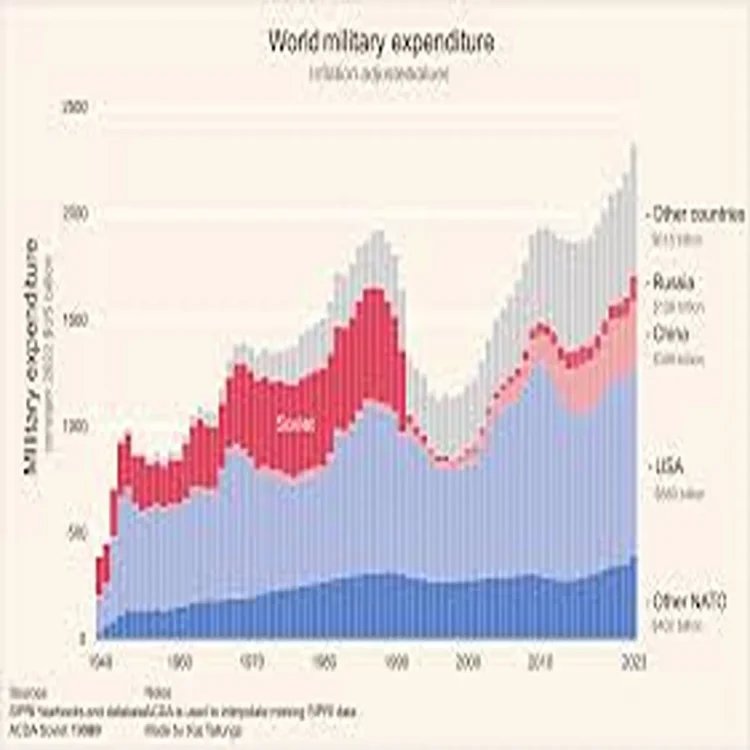
The White House has proposed allocating nearly USD 1.5 trillion toward defence, a figure that would mark the highest level of military spending in modern US history. The proposal comes at a time of heightened geopolitical tensions, particularly in relation to the ongoing conflict involving Iran. According to reports, the plan reflects a strong emphasis on strengthening military capabilities and readiness.
Focus on Military Expansion and Modernisation
A significant portion of the proposed increase is aimed at enhancing the country’s defence infrastructure. The administration intends to invest heavily in weapons systems, ammunition supplies, and naval expansion. Plans are also underway to begin construction of a new missile defence initiative referred to as the “Golden Dome,” a project designed to bolster national security against advanced threats.
In addition to hardware and infrastructure, the proposal includes salary increases ranging from 5 to 7 percent for military personnel. Officials believe these measures will help address recruitment challenges while improving retention across the armed forces.
Legislative Strategy and Budget Allocation
Out of the additional USD 445 billion proposed for defence, approximately USD 350 billion is expected to be approved through upcoming legislation. Lawmakers aligned with the administration are reportedly preparing to use a Senate procedure that requires only a simple majority, potentially avoiding the need for bipartisan backing.
Despite the scale of the proposal, budget experts note that such requests often serve as a statement of priorities rather than a final spending plan. Historically, Congress has modified or rejected several elements of presidential budget proposals during negotiations.
Increased Investment in Nuclear Capabilities
The proposal also outlines plans to enhance nuclear security. Funding for the National Nuclear Security Administration is set to rise by more than USD 3.5 billion. This increase will support the development and modernisation of nuclear warheads and related naval technologies, signalling a continued focus on strategic deterrence.
Cuts to Domestic and Social Programmes
While defence spending sees a substantial rise, the budget calls for a 10 percent reduction in non-defence expenditures, amounting to a cut of approximately USD 73 billion. These reductions are expected to affect a range of social services and public welfare programmes.
Among the initiatives facing elimination are the Low Income Home Energy Assistance Program, which currently provides around USD 4 billion in support, and the Community Services Block Grant, valued at USD 775 million. The proposal also includes cancelling USD 15 billion allocated under a previous infrastructure law, along with reductions exceeding USD 1 billion in climate-related research.
Environmental and Administrative Budget Changes
The Environmental Protection Agency could see its funding reduced by nearly half, leading to the discontinuation of several environmental programmes. The budget also proposes a 12 percent cut to the Interior Department, reflecting a broader shift in priorities away from environmental initiatives.
In contrast, the plan allocates USD 10 billion toward construction and development projects in and around Washington, DC. Additionally, while broader housing assistance programmes face reductions, a smaller allocation of USD 5 million is designated for a foster youth support initiative associated with Melania Trump.
Adjustments to Federal Agencies and Services
The Department of Homeland Security is also targeted for spending cuts, including reductions to FEMA and the Cybersecurity and Infrastructure Security Agency. The proposal suggests restructuring certain grant programmes, citing concerns about their effectiveness and oversight.
Further changes include a plan to begin privatising airport security screening operations. The budget also proposes a USD 5 billion reduction for the National Institutes of Health and a USD 1.4 billion cut to the Internal Revenue Service. In addition, subsidies worth USD 4.2 billion for electric vehicle charging infrastructure are slated for removal.
Congressional Review Remains Key
Although the proposal outlines sweeping changes across defence and domestic spending, its future remains uncertain. Congress holds the authority to approve, modify, or reject budget measures, and negotiations are expected to shape the final outcome significantly.
The plan underscores a clear shift in fiscal priorities, with national security taking precedence over several domestic initiatives. As discussions move forward, the balance between defence investment and public services is likely to remain a central point of debate.
,