
Currency – Trump Signature to Feature on Future US Dollar Notes
Currency – The United States Treasury Department has announced a historic change to the design of American paper currency as part of the nation’s upcoming 250th anniversary celebrations. According to an official statement released on Thursday, future US dollar notes will carry the signature of President Donald J. Trump alongside that of Treasury Secretary Scott Bessent.
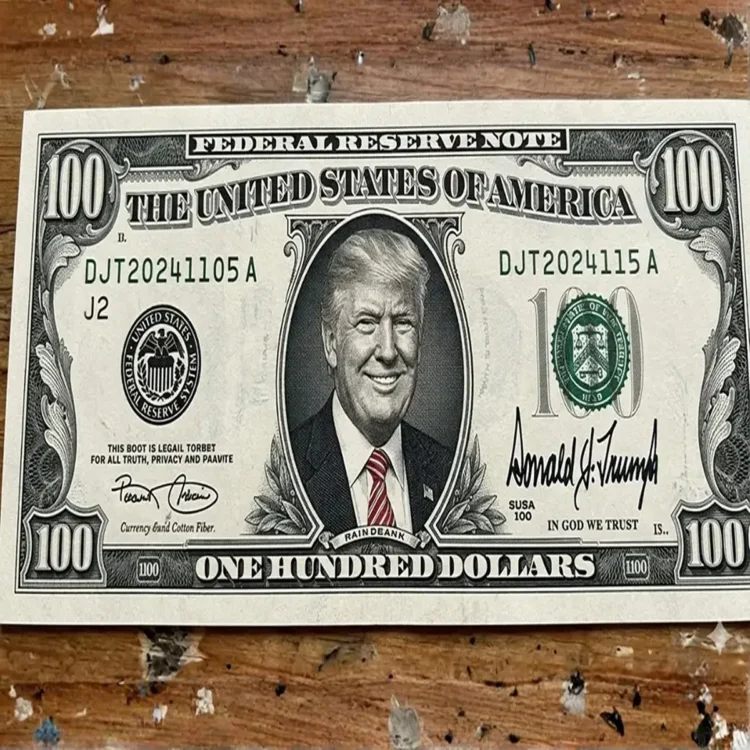
Historic First for a Sitting President
This move marks the first time in US history that a sitting president’s signature will appear on paper currency. Traditionally, US notes have only featured the signatures of the Treasury Secretary and the Treasurer. Officials described the decision as a symbolic gesture to commemorate the country’s Semiquincentennial milestone and acknowledge the leadership of the current administration.
Treasury Secretary Scott Bessent emphasized that the inclusion of the president’s signature represents more than a design change. He stated that it reflects what he described as a period of strong economic performance, fiscal stability, and continued global influence of the US dollar under President Trump’s leadership.
Treasury Highlights Economic Narrative
Bessent noted that the administration views the initiative as a tribute to both the nation’s achievements and the president’s role in shaping current economic policies. He said the timing aligns with the 250-year anniversary of the United States, making it a significant moment to introduce a lasting symbol on national currency.
US Treasurer Brandon Beach also supported the move, describing American currency as a representation of the country’s resilience and prosperity. He added that incorporating the president’s signature reinforces what he called a broader narrative of economic revival and national strength.
Earlier Designs and Commemorative Plans
The announcement follows earlier developments tied to the anniversary celebrations. In October, preliminary designs of a commemorative one-dollar coin were shared, featuring imagery associated with President Trump. The proposed design included symbolic elements such as the word “Liberty” and a slogan reflecting determination and strength.
Additionally, reports indicate that a federal arts commission has reviewed concepts for a gold commemorative coin portraying the president. Another proposal under consideration includes a separate one-dollar coin bearing his likeness. These plans form part of a broader effort to mark the country’s historic milestone through collectible and symbolic currency.
Legal and Political Questions Raised
The proposal has also sparked debate in legal and political circles. Existing US law generally prohibits the depiction of living individuals, including current or former presidents, on standard currency. Typically, a president may only appear on coins at least two years after their death.
However, there are certain exceptions related to commemorative coins, which are not always subject to the same restrictions. Experts note that while the law is clear regarding portraits, it is less explicit about signatures, potentially creating a legal gray area.
In response to the development, some lawmakers have introduced new legislation aimed at preventing any living or sitting president from being featured on US currency in any form. The proposed measures seek to reinforce longstanding traditions and avoid setting new precedents.
A Rare Precedent in US History
Historically, the last instance involving a sitting president appearing on US currency dates back to 1926, during the tenure of President Calvin Coolidge. Since then, strict norms have been followed to separate current political leadership from national currency design.
As the United States approaches its 250th anniversary, the Treasury’s decision introduces a notable shift in tradition. Whether the plan proceeds without legal hurdles remains to be seen, but it has already generated significant discussion about the role of symbolism, law, and leadership in shaping national identity.