
ConflictCrisis – UN Reports Civilian Deaths Rising Rapidly in Global Wars
ConflictCrisis – Armed conflicts across different parts of the world claimed the life of one civilian every 14 minutes in 2025, according to a senior United Nations humanitarian official who addressed the UN Security Council this week.
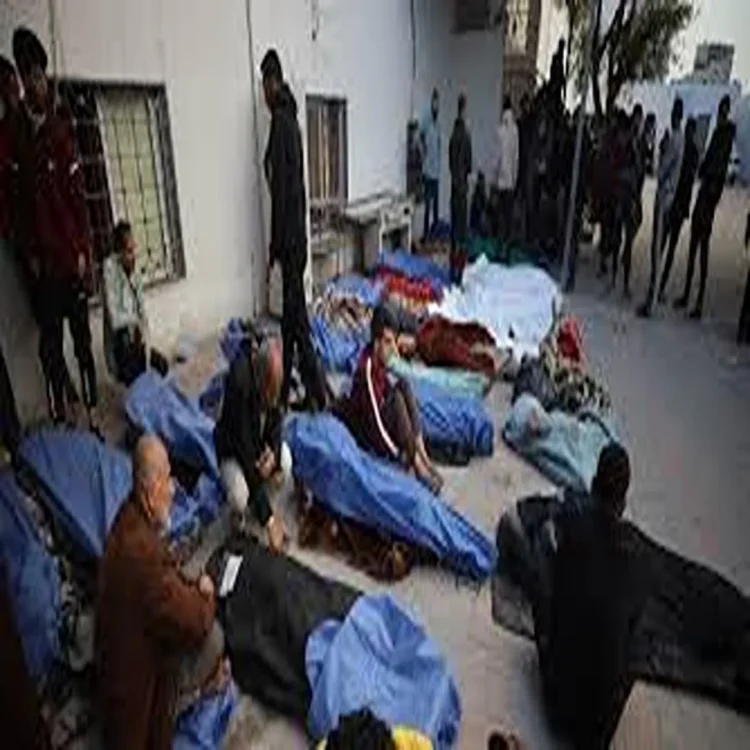
The alarming figures were presented by Edem Wosornu, Director of Operations and Advocacy at the United Nations Office for the Coordination of Humanitarian Affairs, during an open debate focused on the protection of civilians caught in war zones. She warned that the actual number of civilian casualties is likely much higher than current estimates.
UN Raises Alarm Over Civilian Casualties
Speaking before the Security Council, Wosornu pointed to ongoing violence in several major conflict areas, including the Democratic Republic of the Congo, Sudan, Ukraine, and the occupied Palestinian territories. She stressed that many incidents remain unreported or difficult to verify because of unstable conditions and limited humanitarian access.
According to the UN official, civilians continue to bear the heaviest burden in modern warfare. She said communities are facing widespread destruction, displacement, and insecurity as armed confrontations intensify in multiple regions.
Humanitarian Agencies Highlight Worsening Conditions
In a separate statement issued on Wednesday, leaders of the Inter-Agency Standing Committee expressed serious concern over increasing violations of international humanitarian and human rights laws during conflicts around the globe.
The committee said civilians, especially children, are suffering on a massive scale. Many are being killed, injured, or forced to flee their homes due to prolonged violence and military operations.
The statement also highlighted the growing use of sexual violence in war, describing it as a devastating tactic that disproportionately affects women and girls. Humanitarian officials warned that the long-term social and psychological impact of these crimes continues to deepen in affected communities.
Essential Infrastructure Facing Severe Damage
UN humanitarian leaders noted that critical civilian infrastructure has become a repeated target in conflict areas. Schools, hospitals, religious sites, and residential neighborhoods have reportedly suffered extensive destruction.
Medical facilities, including maternity wards, were specifically mentioned as among the damaged institutions. The destruction of water systems, transportation networks, food production facilities, and local markets has further weakened already fragile populations.
Humanitarian agencies warned that these attacks are making recovery increasingly difficult for civilians trapped in war zones. Disrupted access to healthcare, food supplies, and clean water has intensified humanitarian emergencies in several countries.
Hunger and Displacement Continue to Grow
The UN-backed statement also drew attention to the rise in hunger and famine linked to ongoing conflicts. Aid officials said siege tactics and deliberate restrictions on food supplies are contributing to worsening conditions in affected regions.
Millions of people have reportedly been displaced from their homes as violence spreads. Families forced to flee often face shortages of shelter, medicine, and basic services while living in temporary camps or unstable environments.
The humanitarian community said conflict-related food insecurity is now becoming one of the most urgent global concerns, particularly in areas where aid deliveries remain restricted.
Rising Risks for Humanitarian Workers
The statement further revealed that humanitarian workers themselves are increasingly coming under threat. More than 1,000 aid personnel have reportedly been killed during the past three years while carrying out relief operations in dangerous environments.
UN officials said humanitarian staff continue to work under extreme pressure to deliver emergency assistance despite escalating security risks. They warned that attacks on aid workers are severely affecting relief efforts and limiting access to vulnerable populations.
Call for Accountability and Respect for International Law
Humanitarian leaders emphasized that international laws governing warfare already exist and apply equally to all parties involved in conflicts. However, they argued that the major challenge lies in the failure to enforce those laws consistently.
The statement concluded with a strong appeal for accountability and immediate action to prevent further civilian suffering. UN officials warned that continued inaction and weak enforcement mechanisms are allowing violations to persist despite repeated international condemnation.