
Conflict – US-Israel Operations Intensify Despite Iran Pause Proposal
Conflict – Despite recent signals suggesting a possible easing of tensions, military operations involving the United States and Israel against Iran have continued with notable intensity. Earlier, US President Donald Trump indicated that Iran had requested a temporary halt of seven days in American strikes targeting its energy infrastructure. However, Washington reportedly extended this pause period to ten days, pushing the deadline to April 6. Even so, coordinated military actions have not slowed on the ground.
Continued Strikes on Iranian Military Infrastructure
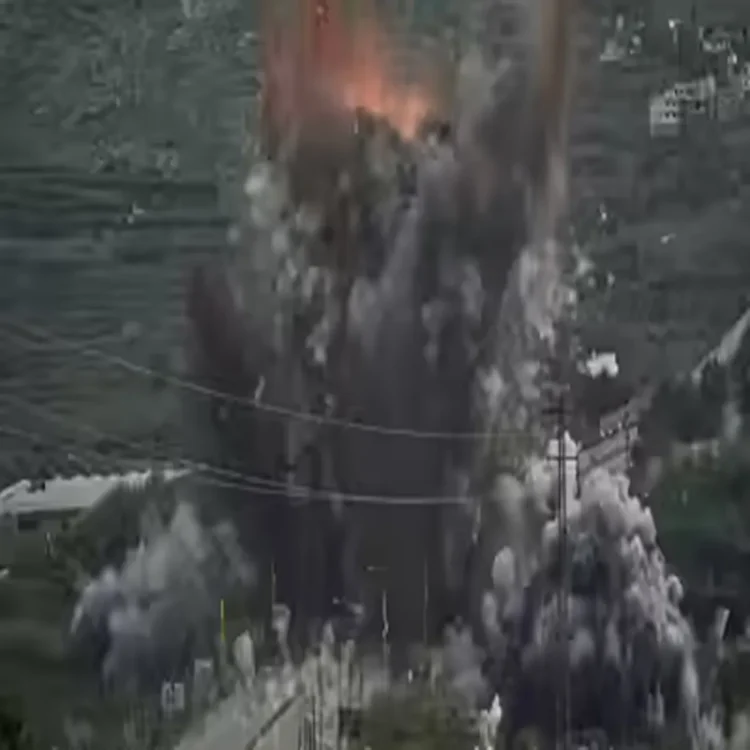
According to a recent assessment by the Institute for the Study of War, joint US-Israel forces have maintained sustained pressure on Iran’s missile capabilities. The operations have focused on targeting missile launch systems, storage facilities, and production units believed to support Iran’s strategic arsenal.
The analysis further highlights an escalation in attacks directed at Iran’s broader defense industrial network. One of the key sites reportedly struck includes the 7th Artesh Air Force Tactical Airbase located in Shiraz, within Fars Province. These strikes appear aimed at weakening Iran’s aerial and logistical capabilities.
Key IRGC Facilities Reportedly Hit
Reports indicate that multiple facilities linked to Iran’s Islamic Revolutionary Guard Corps (IRGC) have also come under attack. Among them is the Ansar ol Hossein Provincial Unit in Hamedan City. Another strike is said to have targeted an IRGC headquarters near Bonab in East Azerbaijan Province.
Satellite imagery dated March 15, cited in the analysis, suggests that substantial damage was inflicted on Iranian naval and air infrastructure. The affected site includes the IRGC’s 4th Sarallah Naval District in Bushehr Province, a strategically important zone responsible for overseeing operations in the central Persian Gulf, including areas near the South Pars gas field.
Expansion of Strike Geography
Military activity also appears to be expanding geographically. On March 25 and 26, joint forces carried out strikes reaching the northeasternmost areas targeted since the conflict began. This suggests a widening operational scope, possibly aimed at disrupting additional Iranian defense networks further from previously targeted zones.
Senior IRGC Commander Reportedly Killed
In a significant development, the Israeli Defense Forces (IDF) announced that Rear Admiral Alireza Tangsiri, a senior commander of the IRGC Navy, was killed in Bandar Abbas. While independent confirmation remains limited, such a loss could have implications for Iran’s naval command structure and operational planning.
Iran Responds with Coordinated Retaliation
Iran has continued to respond with its own military actions. The IRGC confirmed the launch of what it described as the 83rd wave of Operation True Promise 4. According to official statements, the operation involved missile and drone strikes targeting key US and Israeli military assets across the region.
Among the reported targets were oil storage facilities in Ashdod, a military personnel site in the Modi’in settlement, and a US-linked military information exchange center. Iranian forces also reportedly targeted American bases, including Al-Dhafra and Al-Udeiri, as well as infrastructure at Ali Al-Salem Air Base.
Additional strikes were said to focus on logistical and maintenance facilities, including hangars for aircraft and drones, fuel storage for fighter jets, and a repair facility linked to the Patriot missile defense system at Sheikh Isa Base.
Uncertain Path Ahead
While diplomatic signals suggest attempts to manage escalation, the continued exchange of strikes indicates that the situation remains volatile. With both sides sustaining military pressure, the coming days will likely determine whether the proposed pause leads to meaningful de-escalation or further intensification of the conflict.