
Conflict – Trump Issues Stark Warning as Iran Rejects Peace Proposal
Conflict – The United States has issued a sharp warning to Iran, signaling the possibility of intensified military action if Tehran refuses to engage with a proposed agreement aimed at ending the ongoing conflict in the Middle East. The statement, delivered by the White House on Wednesday, comes at a time when hopes for immediate de-escalation appear increasingly unlikely.
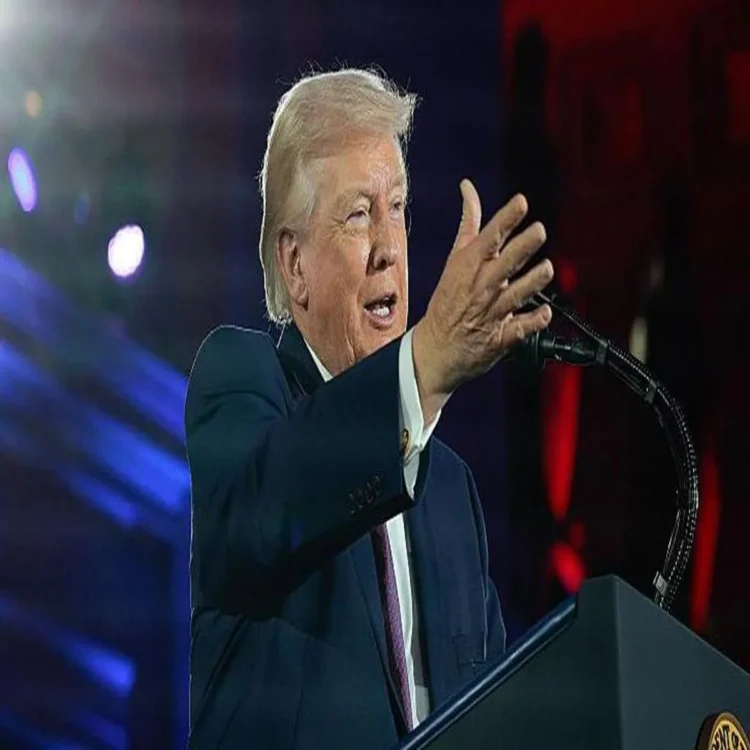
White House Signals Tougher Stance
Speaking at a press briefing, White House Press Secretary Karoline Leavitt emphasized that the US administration is prepared to take decisive action. She stated that President Donald Trump is ready to respond forcefully if Iran does not acknowledge the current geopolitical reality and move toward a resolution.
Leavitt underscored that the administration’s position is firm, warning against any miscalculation by Tehran. Despite the strong rhetoric, she confirmed that diplomatic communication channels remain open and discussions are still ongoing behind the scenes.
Iran Rejects Proposed Framework
Earlier reports indicated that Pakistan had conveyed a 15-point proposal from the United States to Iranian officials in an effort to halt hostilities that began in late February. However, Iranian state media suggested that Tehran has rejected the proposal, insisting that any conclusion to the conflict must align with its own conditions.
According to officials cited in Iranian broadcasts, the country maintains that it will determine the timing and terms of any ceasefire independently, rather than accept external pressure.
Growing Military Activity Across Region
The situation on the ground remains volatile, with continued military activity reported across several countries in the region, including Israel, Lebanon, and parts of the Gulf. There are also indications that additional US troops may be deployed to the Middle East, raising concerns about a broader escalation.
Iranian military officials have claimed that recent missile actions forced a US naval carrier group to reposition, while also warning of further strikes if tensions continue to rise. Meanwhile, Israel has reportedly conducted strikes on strategic locations within Iran, including facilities linked to defense development.
United Nations Raises Alarm
UN Secretary-General Antonio Guterres has expressed serious concern over the expanding conflict, describing the situation as increasingly uncontrollable. He warned that the ongoing hostilities could trigger a wider regional war, intensify humanitarian suffering, and disrupt the global economy.
His remarks reflect growing international anxiety as multiple nations become indirectly or directly involved in the crisis.
Mediation Efforts Continue Quietly
Despite public disagreements, diplomatic efforts are continuing through regional intermediaries. Egypt, Pakistan, and Turkey are reportedly involved in facilitating communication between Washington and Tehran.
Egypt’s Foreign Minister confirmed ongoing mediation attempts and expressed support for direct negotiations between the two nations, indicating that diplomatic channels have not completely broken down.
Iran Sets Its Own Conditions
Reports suggest that Iran has proposed a separate set of conditions for ending the conflict. These include guarantees against future attacks, compensation for damages, and a halt to military actions across all affected areas.
The conditions also reference the role of allied groups in the region, indicating that Iran seeks broader assurances beyond its own borders.
Threats to Key Maritime Routes
Tensions have also extended to critical global shipping routes. Iran has hinted at the possibility of disrupting traffic in strategic waterways if a ground invasion is initiated. Concerns are particularly focused on routes that are vital for global oil transportation.
At the same time, Iran has indicated that vessels not associated with hostile nations would be allowed safe passage, although restrictions may apply to ships linked to opposing forces.
Regional Impact and Economic Concerns
The ongoing conflict has already begun to influence global markets, particularly energy prices. The Strait of Hormuz, a key passage for a significant portion of the world’s oil supply, remains a focal point of concern.
Initial optimism around possible negotiations briefly stabilized markets, but renewed tensions have pushed oil prices upward again, reflecting uncertainty about the conflict’s trajectory.