
AirportDelays – US Airports Face Chaos Amid Security Staffing Crisis
AirportDelays – Major airports across the United States witnessed severe congestion and mounting passenger frustration on March 23, as extended security lines disrupted travel plans. The situation intensified following the Trump administration’s decision to deploy Immigration and Customs Enforcement (ICE) agents to support overwhelmed Transportation Security Administration (TSA) staff during the ongoing Department of Homeland Security shutdown.
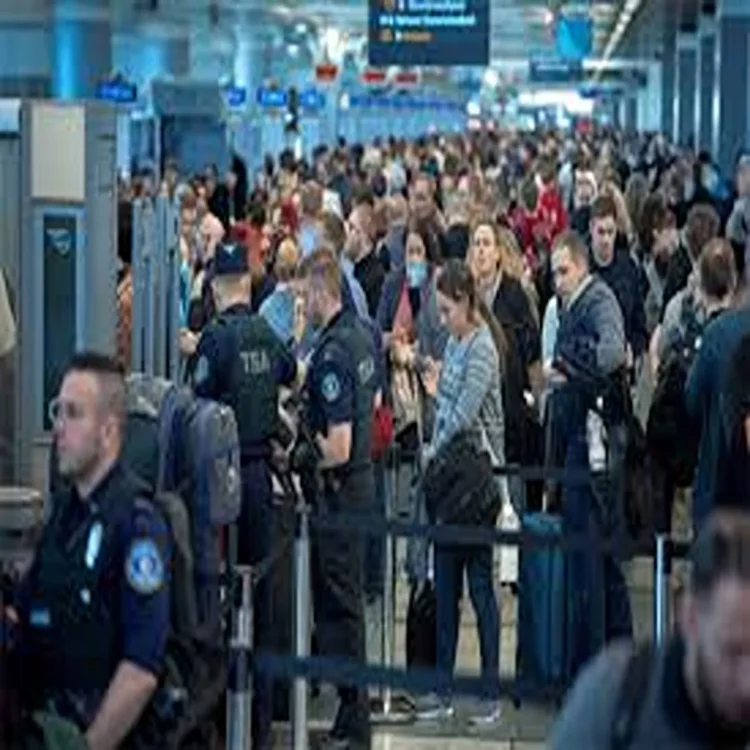
ICE Deployment Aims to Ease Pressure
According to officials, ICE personnel are set to begin operations at airports from Monday, focusing on assisting with non-specialized security responsibilities. These include monitoring entry and exit points, as well as verifying passenger identification before screening. The move is intended to allow TSA officers to concentrate on critical screening tasks such as baggage scanning and passenger checks.
Authorities clarified that ICE agents would not handle technical duties requiring specific training, but would instead act in a supportive capacity to improve passenger flow through checkpoints. The deployment has been described by officials as an effort to optimize existing resources amid staffing shortages.
Political Tensions Escalate
The ongoing disruption has sparked sharp political exchanges between the administration and Democratic leaders. White House officials have accused Congress of prolonging the shutdown and worsening conditions for both travelers and federal employees.
On the other hand, critics have raised concerns about the effectiveness and appropriateness of using ICE agents in airport environments. Some lawmakers argue that the lack of specialized training among these agents could limit their ability to meaningfully reduce delays.
Long Wait Times Frustrate Travelers
Passengers across several major airports reported unusually long waiting periods, with some lines extending far beyond typical screening areas. At certain locations, queues stretched into parking facilities, reflecting the scale of the disruption.
In Atlanta, one of the busiest air travel hubs in the world, travelers faced particularly severe delays. Reports indicated wait times reaching up to five hours, with crowded checkpoints becoming a common sight. Similar scenes were observed at other major airports, where passengers struggled to navigate extended lines during peak travel hours.
Staffing Shortages Worsen Situation
A key factor behind the delays has been a significant drop in TSA workforce availability. Reports suggest that absenteeism among TSA staff has increased sharply, with some estimates reaching up to 40 percent. This rise is largely attributed to missed paychecks during the shutdown, which has affected employee attendance and morale.
The reduced workforce has created bottlenecks at critical screening points, further slowing down passenger movement and contributing to widespread travel disruptions.
Questions Over Effectiveness of Measures
While officials believe the involvement of ICE agents could help streamline operations, some experts remain skeptical. Industry observers note that many of the most time-consuming parts of airport security require specialized skills and training, which ICE personnel do not possess.
Labor representatives and former officials have also pointed out that addressing the root cause—staff shortages within TSA—may be more effective than temporary support measures.
Private Screening Programs Show Stability
Interestingly, airports that rely on private security contractors instead of TSA staff have largely avoided the chaos seen elsewhere. These facilities, operating under the Screening Partnership Program, have continued normal operations as their employees remain paid during the shutdown.
This contrast has highlighted differences in operational resilience between federal and privately managed screening systems during times of government disruption.
Travel Season Adds to Pressure
The situation comes at a particularly challenging time, as spring travel demand continues to rise. Increased passenger volume has further strained already limited resources, making delays more visible and impactful for travelers across the country.
Images and reports of overcrowded security checkpoints, especially from major hubs like Atlanta, have drawn widespread attention and underscored the broader implications of the shutdown on everyday travel.