
GlobalEconomy – Middle East Conflict Raises Inflation and Slows Growth Outlook
GlobalEconomy – The ongoing conflict involving the United States, Israel, and Iran is expected to leave a deep imprint on the global economy, according to a recent assessment by the International Monetary Fund. The institution has cautioned that the crisis could lead to rising prices and weaker economic growth across multiple regions, affecting both developed and developing nations in varying degrees.
Uneven Impact Across Countries
The IMF has highlighted that while the effects of the conflict are global, they are not evenly distributed. Countries that rely heavily on energy imports are facing greater challenges compared to those that export energy resources. Similarly, low-income nations with limited financial reserves are more vulnerable than wealthier economies with stronger fiscal buffers.
The situation is particularly difficult for nations in Asia and Europe that depend on imported fuel. A significant share of the world’s oil and liquefied natural gas passes through the Strait of Hormuz, a critical route now under strain due to the conflict. This disruption has led to higher energy costs, which are rippling through industries and households alike.
Rising Costs Strain Developing Economies
In several parts of Africa and Asia, countries that already struggle with limited access to energy are now finding it even harder to secure supplies, even at increased prices. Alongside fuel, the rising cost of food and fertilizers is adding further pressure, particularly in regions where food security is already fragile.
The IMF has warned that poorer nations may require additional international assistance to cope with these pressures. However, the availability of such support has been declining, raising concerns about the ability of these economies to manage prolonged disruptions.
Short-Term Shock Versus Long-Term Pressure
The duration of the conflict will play a key role in shaping its economic consequences. A brief escalation could trigger sharp spikes in oil and gas prices before markets stabilize. On the other hand, a prolonged conflict may keep energy prices elevated for an extended period, placing sustained strain on import-dependent economies.
Countries with limited fiscal capacity are already experiencing increased pressure on their budgets, as higher import bills reduce their ability to invest in growth or social support measures.
Industrial and Regional Effects
In major manufacturing hubs across Asia, rising energy costs are increasing production expenses, which may ultimately be passed on to consumers. This has also weakened purchasing power in several economies. In some cases, currency stability is being affected due to widening trade imbalances.
Europe is also feeling the impact, with fears of a renewed energy crisis similar to the one experienced in recent years. Countries that rely heavily on gas for electricity generation, such as Italy and the United Kingdom, are more exposed, while nations with diversified energy sources are relatively better positioned.
Disruptions to Supply Chains
Beyond energy, the conflict is reshaping global supply chains. Shipping routes are being altered, increasing transportation and insurance costs while also causing delivery delays. Air travel disruptions in key Gulf regions are affecting tourism and trade logistics.
The impact extends to critical materials as well. The Gulf region supplies a significant portion of the world’s helium, essential for industries such as healthcare and electronics. Meanwhile, countries like Indonesia may face shortages of key inputs needed for processing metals used in electric vehicle production.
Financial Markets Show Signs of Stress
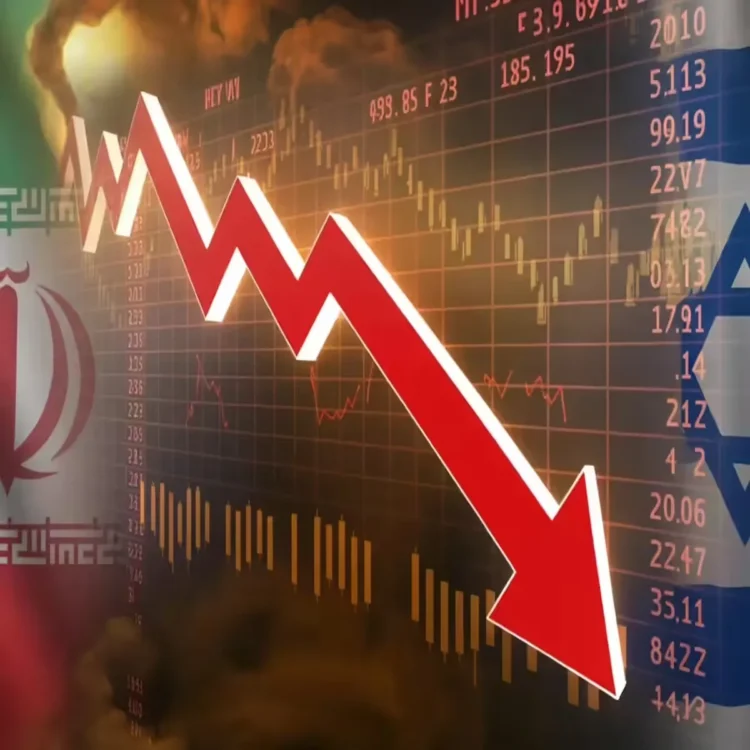
Global financial markets have reacted to the uncertainty with declining stock prices and rising bond yields in both advanced and emerging economies. Although the downturn has not reached the levels seen in previous global crises, financial conditions have tightened, making borrowing more expensive and investment decisions more cautious.
Policy Response Becomes Crucial
The IMF has emphasized the importance of carefully designed policy responses to manage the economic fallout. Governments are being urged to adopt measures tailored to their specific economic conditions, particularly those with limited financial resources.
With uncertainty continuing to dominate the global landscape, the need for coordinated international support remains critical. The IMF has reiterated its commitment to assisting countries facing economic strain, as the broader impact of the conflict continues to unfold.