
Anthropic – Ben Bernanke Joins Trust Overseeing Long-Term AI Mission
Anthropic – Anthropic has named former US Federal Reserve Chair Ben Bernanke as the latest member of its Long-Term Benefit Trust, an independent body created to help keep the artificial intelligence company aligned with its stated mission of developing advanced AI responsibly for the long-term benefit of society.
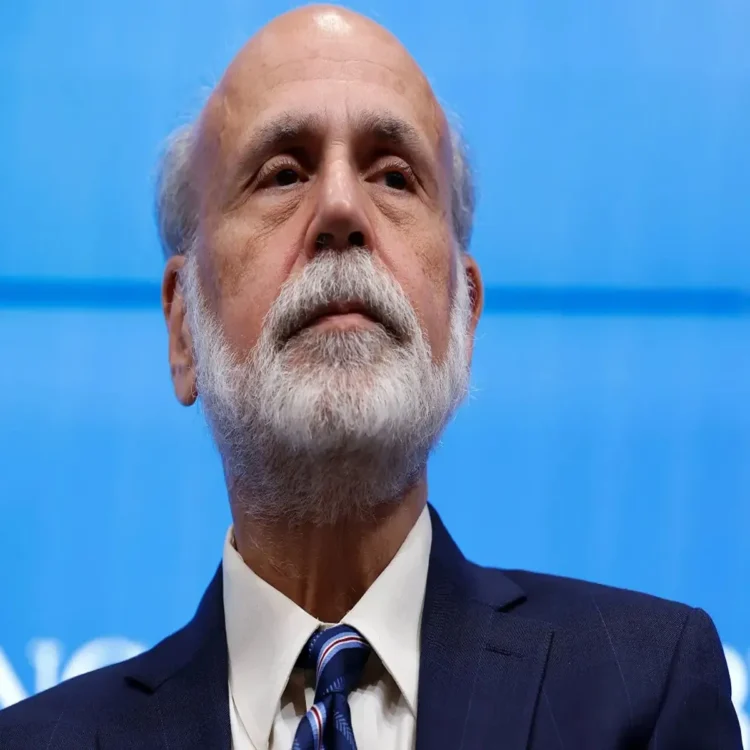
Bernanke Brings Financial Crisis Leadership Experience
Bernanke, now a Distinguished Fellow at the Brookings Institution, led the Federal Reserve from 2006 to 2014. His tenure included the 2008 global financial crisis, when the central bank took major steps to stabilise the financial system and support the recovery that followed.
Before entering public service, Bernanke spent more than two decades in academia, most notably at Princeton University, where he chaired the economics department. His research on the Great Depression and the role of banks during financial crises was widely influential and later recognised with the 2022 Nobel Prize in Economic Sciences.
Anthropic said Bernanke would join the trust as part of its effort to build governance structures that can guide the company as AI systems become more capable and widely used.
Independent Trust Supports Anthropic’s Mission
The Long-Term Benefit Trust is designed to operate independently from Anthropic’s commercial leadership. Its role is to help ensure that the company’s decisions remain consistent with its public-interest commitments, particularly as the opportunities and risks associated with advanced AI continue to grow.
Anthropic is structured as a Public Benefit Corporation, a model intended to balance business performance with wider social responsibilities. The company has said its governance system is meant to support careful development and deployment of AI technologies while considering their potential effects on people, institutions and the economy.
In a statement, Bernanke said artificial intelligence could bring substantial benefits but also create a broad range of possible outcomes. He noted that the institutions created around the technology would play an important role in determining how those outcomes develop.
He said Anthropic’s governance approach was intended to make sure the long-term advantages of AI outweigh the risks, adding that he hoped to contribute to that work through his new role.
Focus on Institutions Around Artificial Intelligence
The appointment comes as governments, technology companies and researchers continue to debate how advanced AI should be governed. Questions around safety, accountability, economic disruption and the responsible release of powerful systems have become increasingly important as AI tools move into workplaces, public services and consumer products.
Anthropic’s trust model places particular emphasis on long-term oversight. Rather than focusing only on short-term commercial goals, the structure is intended to provide an additional layer of accountability as the company expands its AI research and products.
Neil Buddy Shah, chair of the Long-Term Benefit Trust, said the institutions built around AI would be as important as the technology itself. He described Bernanke’s experience leading the Federal Reserve during one of the most difficult periods in modern economic history as relevant to the trust’s work.
Trust Chair Highlights Need for Sound Judgment
Shah said Bernanke demonstrated expertise, independence and sound judgment while guiding the United States through the most severe financial crisis in nearly a century. Those qualities, he said, are important for trustees as the influence of artificial intelligence continues to increase.
The addition of Bernanke gives Anthropic’s oversight body another prominent figure with experience in public policy, economics and institutional leadership. His appointment also reflects the company’s effort to draw on expertise beyond the technology sector as it addresses the long-term implications of advanced AI.