
Waste Management – Delhi Events Face Persistent Cleanup and Accountability Gaps
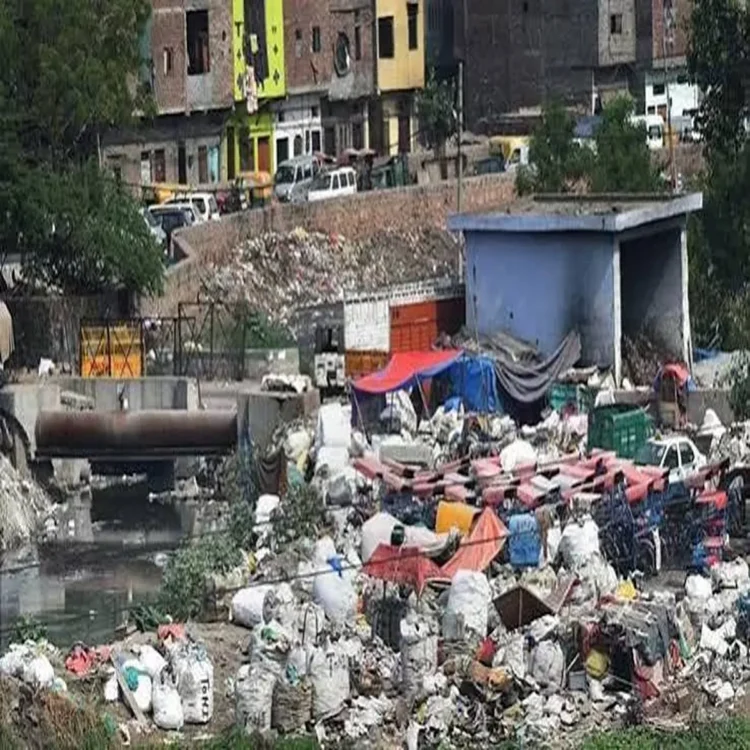
Waste Management – Delhi hosts a wide range of large-scale events every year, including religious gatherings, political meetings, cultural programmes, trade fairs and wedding functions. From celebrations around the Red Fort and public fairs in different neighbourhoods to Kanwar Yatra camps, rallies at Ramlila Maidan and Burari Ground, and exhibitions at Pragati Maidan, these events draw huge crowds. Once they end, however, the waste left behind often remains a challenge for civic agencies and organisers.
Rules place responsibility on event organisers
The Solid Waste Management Rules, 2016, along with directions issued by the Delhi Pollution Control Committee and municipal authorities, require organisers of major events to arrange sanitation facilities and manage waste responsibly. Event organisers falling under the category of bulk waste generators are expected to ensure waste collection, segregation and scientific processing.
Gatherings with more than 100 attendees may fall within this category depending on the volume of waste generated and other prescribed criteria. They are required to place covered bins at suitable locations, prevent littering, arrange regular waste lifting through authorised agencies and restore the venue after the event.
Poor sanitation remains a common complaint
Despite these requirements, waste management at many large events remains uneven. Visitors frequently encounter overflowing bins, discarded water bottles, food containers and disposable plates across public grounds. Temporary toilets installed for large gatherings also often become difficult to use when cleaning and emptying services do not keep pace with the number of visitors.
The issue becomes particularly visible during the annual Kanwar Yatra, when camps along major roads receive a steady flow of devotees. Temporary sanitation facilities can become unusable within a short period if they are not serviced regularly, creating concerns about hygiene and public health.
Disposal records are rarely available publicly
Under the rules, biodegradable waste should be processed through composting or biomethanation wherever possible, while recyclable materials should be handed over to authorised recyclers. Faecal sludge from portable toilets is supposed to be collected by licensed operators and transported to approved sewage treatment plants or faecal sludge treatment facilities.
However, environmental groups have raised concerns over the lack of publicly available data on the disposal process. There is limited information on the amount of waste produced at specific events, the quantity recycled, or the volume that ultimately reaches landfill sites. Similar questions remain over the collection and treatment of faecal sludge from temporary toilets.
A government source said that compliance reports, where prepared, are seldom made available for public review. This makes it difficult to assess whether organisers and agencies are meeting their obligations.
Multiple agencies share different responsibilities
Delhi’s waste management system involves several bodies with separate roles. The Municipal Corporation of Delhi handles municipal waste collection and disposal across much of the city. The New Delhi Municipal Council manages the central administrative zone, while the Delhi Cantonment Board is responsible for defence areas.
The Delhi Pollution Control Committee monitors compliance with environmental norms, while the Delhi government supports waste management projects. Other institutions, including the Central Pollution Control Board, the National Green Tribunal and the Commission for Air Quality Management, have issued directions related to landfill remediation and waste processing.
This division of responsibilities can make accountability difficult after major events. Organisers may cite delays in municipal collection, civic agencies may refer to contractor shortages or inadequate segregation, and contractors may point to payment-related issues. As a result, it is often unclear who is responsible for ensuring that every tonne of event waste reaches an authorised processing facility.
Landfills continue to receive fresh waste
The pressure is evident at Delhi’s Ghazipur, Bhalswa and Okhla landfill sites, which continue to receive large quantities of waste despite ongoing biomining and remediation efforts. Courts and environmental authorities have repeatedly called for reducing the load on these sites, but fresh waste continues to arrive each day.
Waste management organisations say decentralised processing can reduce this burden. Clean India Ventures Limited founder Abhishek Gupta said the company converts segregated organic waste into compost through compact processing units. He said the organisation is handling around 1,000 kg of waste daily under three Delhi Development Authority projects.
The Indian Pollution Control Association has also worked with resident groups and government agencies on composting and plastic recycling initiatives. Deputy Manager Rahul Saini said composters installed in housing societies can convert organic waste into manure in about 45 days, while plastic waste is sent for recycling.
Calls grow for transparent compliance monitoring
Environmental advocates say technology and local processing systems are available, but their use at large public events remains limited. They have called for mandatory sanitation and waste management plans, public compliance reports and clear tracking of faecal sludge disposal.
Stronger monitoring, timely collection and transparent reporting could help Delhi reduce the waste burden created by major gatherings while improving sanitation standards for visitors and nearby residents.