
Pakistan – Rick Scott Questions Islamabad’s Role in Iran Ceasefire Efforts
Pakistan – US Senator Rick Scott has criticised Pakistan’s involvement in efforts linked to a US-Iran ceasefire, raising concerns after Prime Minister Shehbaz Sharif attended funeral ceremonies for Iran’s late Supreme Leader Ayatollah Ali Khamenei. Scott’s comments came as Iran continued a multi-day period of mourning following Khamenei’s death in a February airstrike.
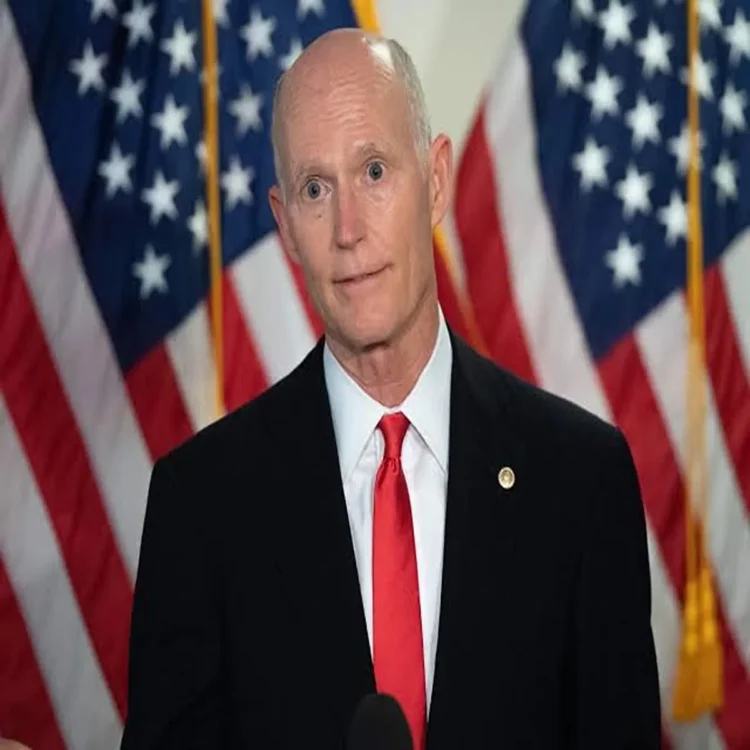
Senator shares video of Sharif’s tribute
Scott posted a video on X showing Sharif paying respects to Khamenei during the funeral events in Tehran. In the footage, the Pakistani prime minister described the Iranian cleric as a respected scholar and leader whose legacy would be remembered by many Muslims. Sharif also spoke of Pakistan and Iran standing together in difficult circumstances.
The senator used the video to question whether Islamabad could play a credible role in diplomatic engagement involving Washington and Tehran. His remarks focused on what he described as conflicting signals in Pakistan’s foreign policy during a sensitive period for the region.
Scott raises concerns over Pakistan’s record
In his post, Scott referred to Pakistan’s past links with extremist groups and its treatment of religious minorities. He cited the years Osama bin Laden spent in Abbottabad before he was killed in a US operation in 2011, and criticised Pakistan’s blasphemy laws, which rights groups have said can be misused against minority communities.
Scott also argued that Sharif’s praise for Khamenei made Pakistan unsuitable to act as a mediator in any US-Iran arrangement. He said US authorities were closely observing developments involving Islamabad, although no official change in Washington’s policy towards Pakistan was announced alongside his statement.
Funeral ceremonies continue in Qom
The criticism emerged while large crowds gathered in the Iranian holy city of Qom for the fourth day of funeral ceremonies. Khamenei’s coffin was placed at Jamkaran Mosque, where mourners, clerics and officials attended prayers and paid their respects.
Iranian state television showed aerial images of densely packed streets and gatherings around the mosque. A prayer service was led by senior cleric Abdollah Javadi-Amoli, while some participants chanted anti-US slogans. State broadcasters also showed mourners near the coffins of Khamenei and relatives who were killed in the same attack. (Reuters)
Tehran procession followed by Iraq ceremonies
The Qom events followed a major procession in Tehran, where authorities sought to demonstrate public unity after months of conflict and domestic unrest. The scale of the turnout prompted comparisons in Iranian media with the 1989 funeral of Ayatollah Ruhollah Khomeini.
Khamenei’s coffin was later taken to Najaf, a major Shia religious centre in Iraq, as part of the planned cross-border funeral route. Security was tightened ahead of further ceremonies, with the final burial expected in Mashhad later this week.