
FIFA World Cup – Late-Night Match Streaming May Strain Eyes and Sleep
FIFA World Cup – As the FIFA World Cup 2026 keeps football fans engaged late into the night, many viewers are spending long hours watching live matches, tracking scores and following updates across social media. While the tournament brings excitement for supporters, extended screen use may affect eye comfort and disrupt normal sleep routines.
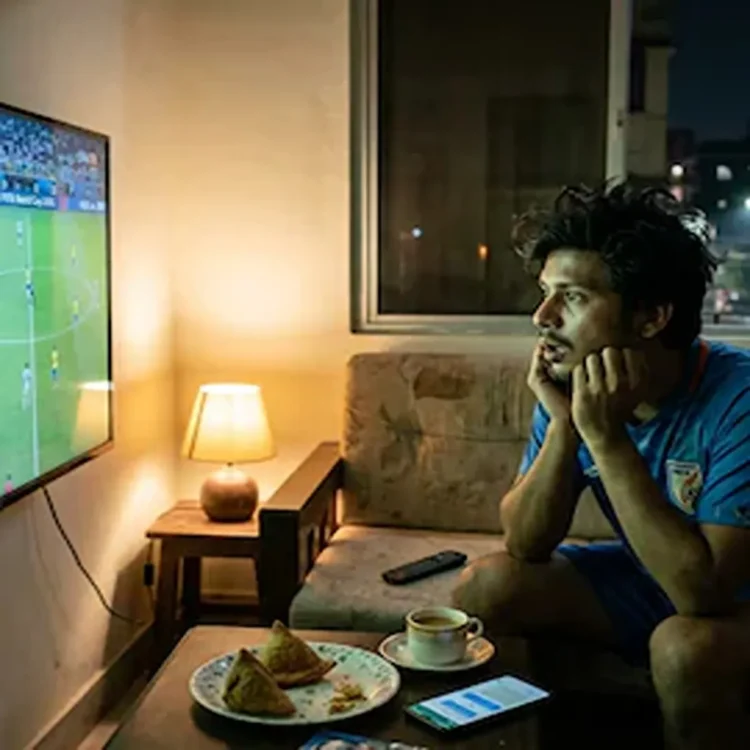
Reduced Blinking Can Trigger Eye Discomfort
Dr Himanshu Shekhar, Group Chief Strategy and Clinical Officer at ASG Eye Hospital, said prolonged viewing of fast-moving football action can contribute to digital eye strain. People often blink less when they are focused on a match, especially while watching close moments or checking frequent updates on phones.
A reduced blinking rate can leave the surface of the eyes dry, leading to burning sensations, temporary blurred vision, tiredness, headaches and trouble maintaining focus. Watching several matches in one night can increase the likelihood of these symptoms, particularly for people already spending much of the day on computers or mobile devices.
Continuous Focus Makes Screens More Demanding
Whether fans are streaming matches on smartphones, tablets, laptops or television screens, their eyes remain fixed on rapidly changing images for extended periods. Digital displays require the eyes to adjust repeatedly to movement, brightness, contrast and changing visuals.
Dr Shekhar noted that this constant adjustment can make screen viewing more tiring than reading printed material. Long sessions may cause dry eyes, short-term vision blur and visual fatigue. Although such symptoms are usually temporary, repeated late-night viewing can affect comfort during the course of the tournament.
Blue Light Exposure May Delay Sleep
Football followers often move between live coverage, match highlights, score alerts and social media discussions after midnight. This can increase exposure to blue light emitted by phones, tablets and laptops.
According to Dr Shekhar, blue light exposure at night may interfere with melatonin, a hormone linked to the body’s sleep cycle. Lower melatonin levels can delay sleep, reduce sleep quality and leave people feeling tired the following day.
For students and working professionals, frequent late-night streaming may also affect attention, daytime concentration and productivity. Maintaining a regular sleep schedule can become difficult when viewers continue checking match-related content long after the game has ended.
Simple Habits Can Reduce Digital Eye Strain
Football fans can take a few practical steps to make long viewing sessions more comfortable. The 20-20-20 rule is one useful habit: after every 20 minutes of screen use, look at something around 20 feet away for 20 seconds.
Viewers should also blink consciously, keep an appropriate distance from the screen and avoid watching in a dark room. A well-lit environment can help reduce glare and ease pressure on the eyes. Drinking enough water during the day may also support eye comfort.
Using blue light filter settings on smartphones, tablets and laptops can be helpful during evening viewing. Short breaks during half-time, match intervals or between games can give the eyes time to recover before another session begins.
Persistent Symptoms Need Medical Attention
Mild tiredness after prolonged screen use is common, but ongoing symptoms should not be ignored. Dr Shekhar advised consulting an eye specialist if headaches, blurred vision, dry eyes, irritation or difficulty focusing continue even after rest.
Early attention to persistent eye discomfort can help identify whether symptoms are linked only to screen use or require further evaluation. As fans enjoy the FIFA World Cup 2026, balancing match viewing with regular breaks and proper sleep can help protect both eye health and daily routine.