
Drain Desilting – Delhi Completes Major Monsoon Preparedness Work
Drain Desilting – The Delhi government has completed more than 90 per cent of drain desilting work across the capital as part of its effort to limit waterlogging during the monsoon season. The Public Works Department, which manages one of the largest drainage networks in the city, has made substantial progress in clearing drains across its eastern, southern and northern zones.
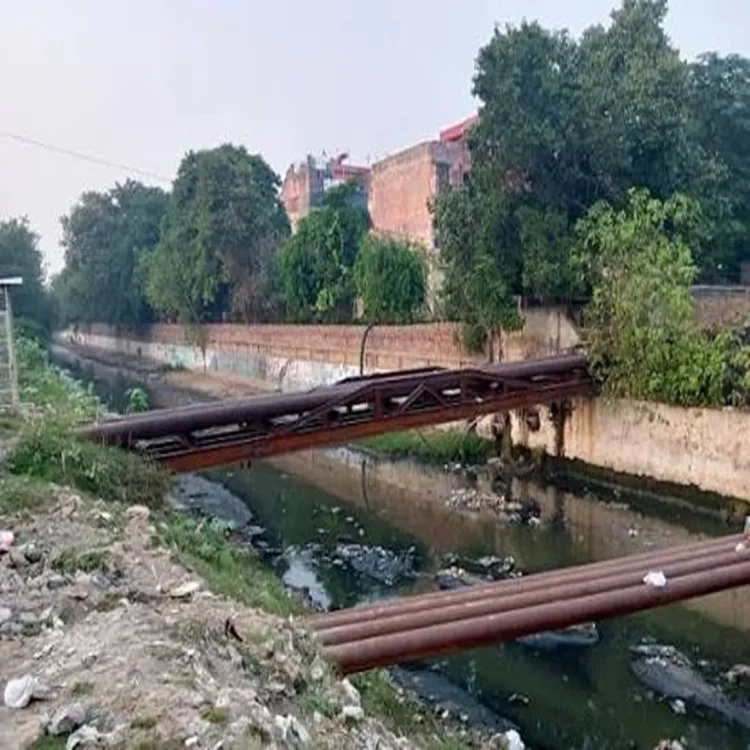
PWD Clears Nearly 1,955 Kilometres of Drains
Official data available until July 2 shows that the PWD had desilted 539.34 kilometres of drains in the East Zone, 603 kilometres in the South Zone and 812 kilometres in the North Zone. Together, the work covers nearly 1,955 kilometres of the department’s 2,123-kilometre drainage network.
The PWD-managed network accounts for about half of Delhi’s overall drainage system. The ongoing cleaning work is aimed at improving the flow of rainwater through major and smaller drains before heavy showers intensify in the city.
Government Focuses on Preventing Waterlogging
Flood Control Minister Parvesh Sahib Singh said the government’s focus is on ensuring that drains remain operational during periods of intense rainfall. He said additional manpower has been deployed to speed up desilting work and improve the condition of the drainage network.
According to the minister, the objective is to prevent rainwater from collecting on roads and disrupting daily travel. He said the department has been working to ensure that drainage channels can carry water efficiently during the monsoon.
Flood Control Department Removes Large Volume of Silt
The Irrigation and Flood Control Department has also reported significant progress in its desilting programme. The department has completed around 93 per cent of cleaning work across 77 drains and removed more than 31 lakh metric tonnes of silt.
The department is responsible for maintaining around 382 kilometres of drains, including major channels such as the Najafgarh Drain, Barapullah Drain and Delhi Gate Drain. These drains play an important role in carrying stormwater away from several parts of the capital.
Instructions Issued for Safe Silt Disposal
Authorities have directed officials to ensure that the silt removed from drains is disposed of properly. The government has stressed that the collected material should not be left near drainage channels or allowed to enter the system again during rainfall.
Proper disposal is considered essential because silt placed along drain edges can be washed back into the channels, reducing their capacity and affecting the effectiveness of desilting work. Departments have been asked to monitor the process closely throughout the monsoon period.
Waterlogging Locations Identified Across Delhi
As part of the wider monsoon preparedness plan, the government has identified 169 locations that are considered vulnerable to waterlogging. These sites have been marked for closer observation during periods of heavy rain.
In addition, 445 traffic-related hotspots have been mapped using data shared by the traffic police. The information is expected to help agencies respond quickly if water accumulation affects key roads, junctions or movement corridors.
Flood Control Posts Set Up for Monitoring
The administration has established 16 flood control posts to monitor rainfall-related developments and coordinate emergency responses. These posts will provide updates from different parts of the city and support communication between civic agencies, drainage departments and traffic authorities.
With desilting work nearing completion, officials are expected to continue inspections and maintenance during the monsoon to address blockages, overflowing drains and waterlogging complaints as they arise.