
Health – Monsoon Season Brings Higher Risk of Infectious Diseases Across India
Health – The arrival of the rainy season offers relief from intense summer temperatures, but it also increases the likelihood of several infectious diseases. Heavy rainfall, water accumulation, and rising humidity create favorable conditions for mosquitoes, bacteria, and viruses, making preventive healthcare especially important during this period.
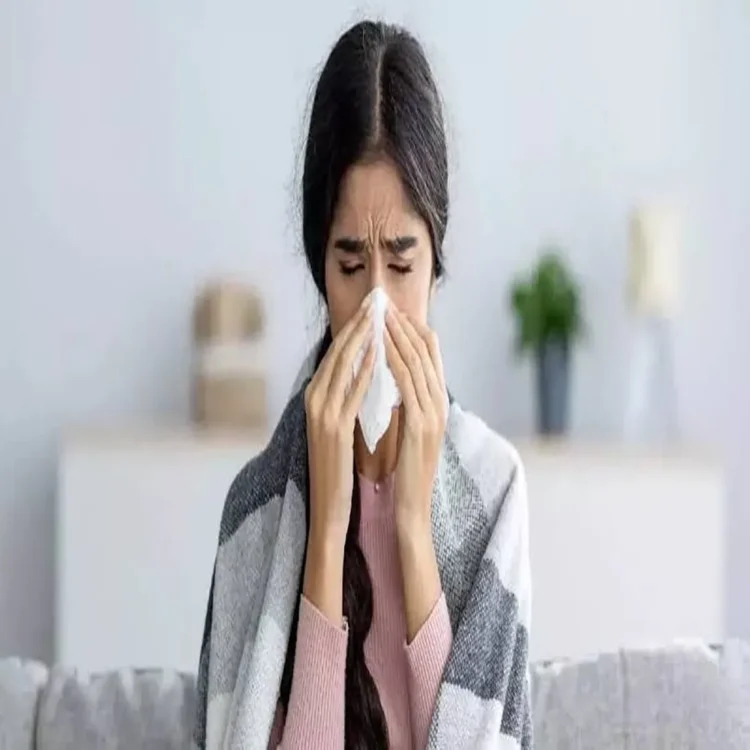
Seasonal Conditions Increase Disease Risk
Medical experts advise that the monsoon is not only a welcome change in weather but also a time when people should pay closer attention to their health. According to Dr. Meenakshi Jain, Principal Director of Internal Medicine at Max Super Speciality Hospital, Patparganj, environmental changes during the rainy season encourage the spread of multiple infections. She noted that timely precautions and awareness can significantly lower the chances of falling ill.
Dengue and Malaria Continue to Be Major Concerns
Among the most common monsoon illnesses is dengue, a viral infection spread by Aedes mosquitoes that breed in stagnant water. Patients often experience high fever, severe headaches, body pain, joint discomfort, and skin rashes. In some cases, the illness may become severe and require immediate medical attention. Eliminating standing water around homes and using mosquito protection remain effective preventive measures.
Malaria is another mosquito-borne disease that becomes more widespread during the rainy months. It is caused by Plasmodium parasites transmitted through Anopheles mosquitoes. Symptoms generally include repeated fever, chills, weakness, and anemia. Health specialists recommend controlling mosquito breeding by removing water collections and, where appropriate, using larva-eating fish such as gambusia and guppy to reduce mosquito populations.
Chikungunya and Leptospirosis Demand Early Attention
Chikungunya also spreads through Aedes mosquitoes and is commonly associated with fever and severe joint pain that may continue for several weeks or even months after recovery. Preventing mosquito breeding remains the most reliable way to reduce the risk of infection.
Another illness that frequently appears during the rainy season is leptospirosis. This bacterial disease spreads through floodwater or soil contaminated with the urine of infected animals. The bacteria can enter the body through small cuts or abrasions on the skin. Individuals may develop fever, headaches, and muscle pain, while serious cases can affect the liver and other organs. Wearing protective footwear and avoiding unnecessary exposure to floodwater can help lower the risk.
Waterborne Diseases Become More Common
The monsoon also increases the spread of food and waterborne infections such as typhoid, cholera, and Hepatitis A. Typhoid is caused by Salmonella Typhi and is usually transmitted through contaminated food or drinking water. Common symptoms include persistent fever, stomach pain, weakness, and headaches. Eating freshly cooked meals and consuming clean drinking water are important preventive steps.
Cholera, caused by Vibrio cholerae, can lead to severe diarrhea, vomiting, and rapid dehydration if left untreated. Safe drinking water and proper sanitation remain the most effective defenses against the disease.
Hepatitis A, a viral infection affecting the liver, also spreads through contaminated food and water. People infected may experience fatigue, nausea, abdominal discomfort, and jaundice. Floodwater contamination during the rainy season increases the chances of transmission, making hygiene practices particularly important.
Simple Preventive Measures Can Make a Difference
Health experts emphasize that prevention is the strongest protection against monsoon-related illnesses. Regularly draining stagnant water, using mosquito repellents and bed nets, drinking boiled or purified water, maintaining personal and food hygiene, and seeking medical advice as soon as symptoms appear can significantly reduce health risks.
Doctors also stress that early diagnosis and prompt treatment help prevent complications and improve recovery. Following basic hygiene practices and remaining alert to common symptoms can help individuals and families stay healthier throughout the monsoon season.