
Election Commission – Congress Rules Out Poll Boycott, Jairam Ramesh Signals Long Political Fight
Election Commission – The Congress has dismissed any possibility of staying away from the 2029 Lok Sabha election, making it clear that the party intends to remain in the electoral contest despite continuing disagreements with the Election Commission. Senior Congress leader Jairam Ramesh said the opposition would continue to raise public concerns through democratic means while preparing for the next general election.
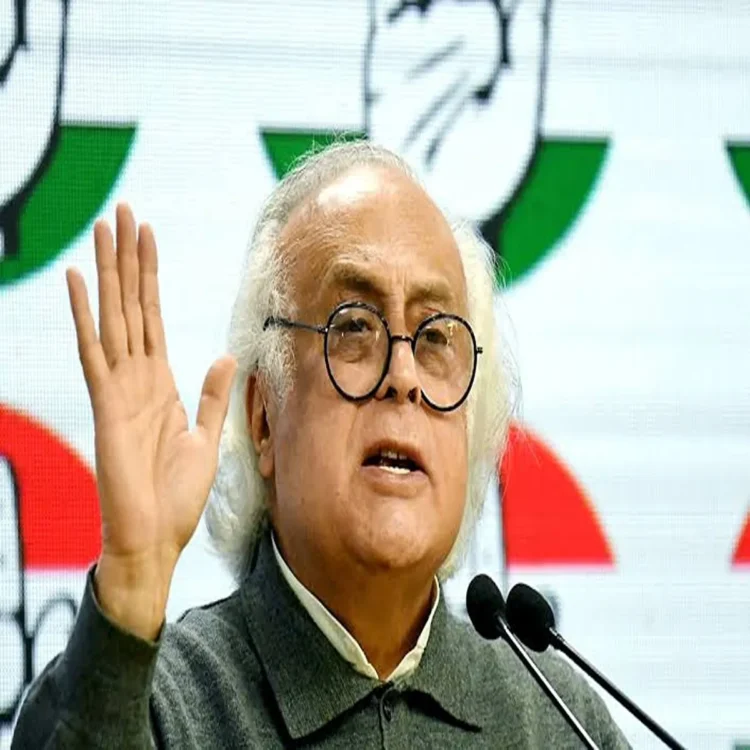
Congress Rejects Boycott of 2029 General Election
During an interview with PTI Videos, Jairam Ramesh firmly stated that boycotting elections is not under consideration. Using a cricket comparison, he alleged that the opposition is competing not only against the ruling party but also against an umpire whom he believes favours its opponent. Despite these concerns, he stressed that participating in elections remains the party’s commitment.
Ramesh said the political struggle would require patience and persistence rather than quick solutions. According to him, the opposition will continue highlighting issues affecting citizens while also approaching the courts whenever legal intervention becomes necessary. He acknowledged that judicial outcomes may vary but maintained that every available democratic avenue should be used.
Public Sentiment Is Gradually Changing, Says Ramesh
The Congress leader argued that sections of society that had strongly supported the current government over the past decade are beginning to reassess their views. He suggested that growing public discussion, humour, satire and criticism directed at the ruling establishment indicate that people are becoming more willing to express their opinions openly.
He also linked this shift to increasing concerns over economic issues, saying that everyday challenges are encouraging citizens to ask more difficult questions of the government. According to Ramesh, these changing public attitudes offer encouragement to the opposition as it continues its campaign.
Fresh Questions Raised Over Delimitation and Election Commission
Ramesh also criticised the government’s approach to the proposed delimitation exercise, questioning whether the Election Commission should oversee the process in light of what he described as concerns surrounding its functioning in states such as Bihar, West Bengal and Uttar Pradesh.
He further alleged that the Commission has not maintained the level of independence expected from a constitutional institution. These remarks follow his recent demand that the right to vote should become a fundamental right under the Constitution, arguing that stronger constitutional protection would help prevent voter suppression and arbitrary disqualifications during electoral revision exercises.
According to Ramesh, elevating voting rights to the status of a fundamental right would ensure greater judicial oversight and reinforce public confidence in the electoral system.
Congress Looks Back at the 2004 Electoral Turnaround
Reflecting on the party’s political history, Ramesh recalled the 2004 Lok Sabha election, when many observers expected the Congress to remain in opposition. He said the party overcame difficult political circumstances to emerge as the single largest party with 145 seats, eventually leading the formation of the United Progressive Alliance government under former Prime Minister Dr. Manmohan Singh.
Ramesh credited former Congress president Sonia Gandhi with guiding the organisation through a challenging period after assuming the party’s leadership in 1998. He said her efforts helped maintain party unity while strengthening cooperation with regional allies.
Leadership and Policy Discussions Remembered
The Congress leader also highlighted the period when the party governed several states, saying meetings involving Congress chief ministers became important forums for policy discussions. He noted that ideas developed during those interactions later contributed to landmark welfare initiatives, including the Mahatma Gandhi National Rural Employment Guarantee Act and the Forest Rights Act.
He further said Sonia Gandhi played a key role in bringing opposition parties together between 1999 and 2004, eventually helping build the alliance that formed the United Progressive Alliance government after the general election.