
Diplomacy – India and Bangladesh Expand Strategic Defence and Border Dialogue
Diplomacy – India and Bangladesh have taken another step toward closer strategic coordination following a high-level meeting between India’s High Commissioner-Designate to Bangladesh, Dinesh Trivedi, and Chief of Army Staff General Upendra Dwivedi. The discussion centered on strengthening defence cooperation, improving border security mechanisms, and expanding military engagement between the two neighboring countries.
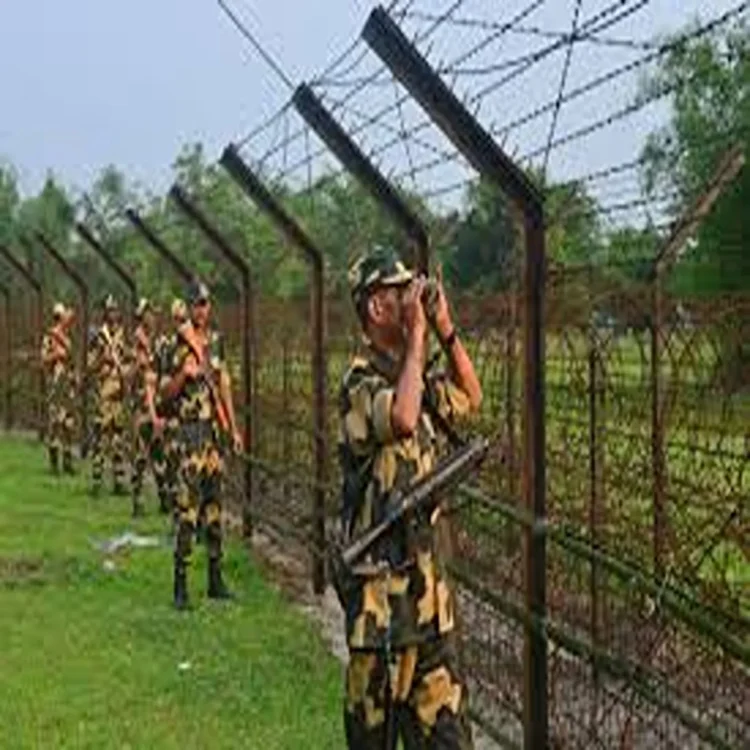
Focus on Defence and security coordination.
According to information shared by the Indian Army’s Additional Directorate General of Public Information, the interaction highlighted the importance of deepening defence ties and enhancing coordination along the India-Bangladesh border. The meeting also explored ways to improve communication and cooperation between the armed forces of both nations.
The development comes as New Delhi and Dhaka continue regular diplomatic engagement on regional security matters and cross-border management. Officials from both sides have increasingly focused on maintaining stability in sensitive border regions while promoting long-term strategic cooperation.
Bangladesh Clarifies Position on Indian Internal Matters
At the same time, Bangladesh Home Affairs Minister Salahuddin Ahmed addressed several issues linked to bilateral relations and border management. Speaking on India’s Citizenship Amendment Act and the National Register of Citizens process in Assam, Ahmed stated that these are internal legal and administrative matters of India. He noted that Bangladesh does not intend to interfere or publicly comment on decisions taken within India’s domestic framework.
His remarks appeared aimed at maintaining a balanced diplomatic stance while avoiding unnecessary political friction between the two countries.
Border Security Remains a Key Concern
The Bangladeshi minister also said that Border Guard Bangladesh personnel remain on alert to prevent illegal border crossings and infiltration attempts. Border security has remained a major issue for both nations due to concerns related to unauthorized movement, smuggling activities, and regional security challenges.
Security agencies from India and Bangladesh have continued cooperation through regular meetings, intelligence sharing, and coordinated patrol efforts in recent years. Officials believe that stronger border management can contribute significantly to regional peace and stability.
Extradition Request for Sheikh Hasina
Ahmed further confirmed that Bangladesh’s interim administration has formally sought the return of former Prime Minister Sheikh Hasina through diplomatic and legal channels. He said the government had initiated the process under existing extradition arrangements and requested her return to face legal proceedings in Bangladesh.
The minister added that the administration remains committed to following constitutional and institutional procedures while maintaining law and order in the country. He emphasized that all actions related to the matter would be handled through lawful mechanisms rather than political intervention.
Changing Dynamics in Bilateral Relations
The latest developments reflect an evolving phase in India-Bangladesh relations, with both sides adapting to shifting political and strategic circumstances in the region. Analysts view the current engagement as part of a broader effort to establish a more practical and interest-driven partnership between the two neighbours.
Under the leadership of Bangladesh’s newly elected Prime Minister Tarique Rahman, both governments are reportedly exploring new avenues of cooperation focused on trade, connectivity, defence coordination, and regional security.
Regional Stability at the Center of Discussions
India and Bangladesh share one of South Asia’s most significant bilateral relationships, shaped by geography, economic ties, and security cooperation. However, the partnership also faces challenges linked to migration, border disputes, and domestic political developments within the region.
Recent diplomatic outreach and defence-level discussions indicate that both governments are attempting to maintain stability while addressing sensitive political and security issues through dialogue and institutional cooperation.