
PopulationPolicy – Andhra Pradesh Revises Population Strategy Amid Falling Birth Rates
PopulationPolicy – The Andhra Pradesh government has introduced a fresh population-focused programme called “Pillale Sampada,” which translates to “Children as Wealth,” as part of a broader effort to respond to the State’s declining birth rate. Officials believe the initiative is necessary to maintain long-term economic stability and avoid future shortages in the working-age population.
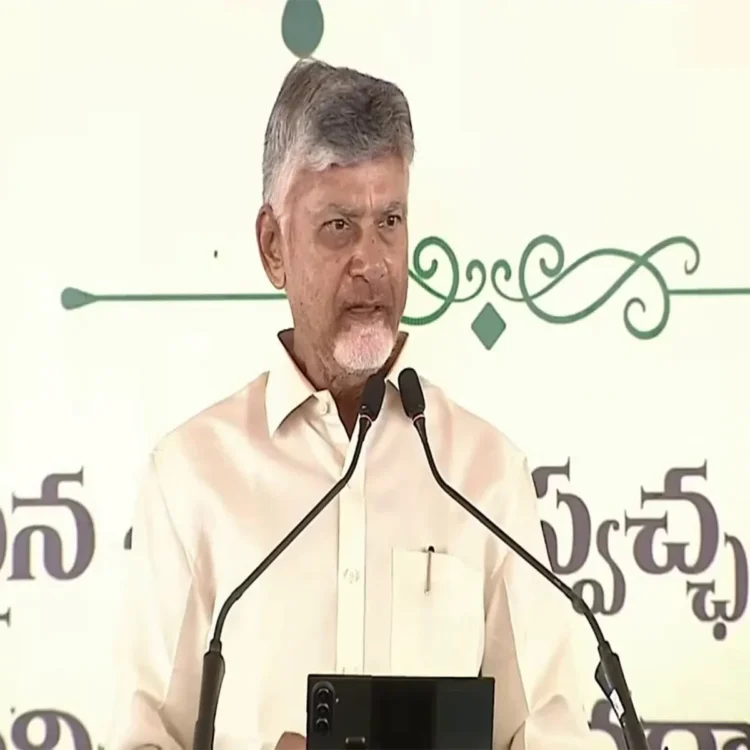
According to government data, Andhra Pradesh has witnessed a sharp decline in its Total Fertility Rate (TFR), which has dropped from 2.10 in previous decades to nearly 1.50 at present. The figure remains significantly below the national average of 1.9. Authorities have expressed concern that continued decline could eventually affect labour availability, productivity, and overall economic growth.
District Data Highlights Uneven Fertility Trends
Recent district-level statistics show major variations across Andhra Pradesh. Kadapa reported the highest fertility rate in the State at 1.99, while Visakhapatnam recorded the lowest at 1.32. Eluru stood close to the State average with a fertility rate of 1.53.
Officials also pointed out that several northern Indian states, including Uttar Pradesh, Bihar, Madhya Pradesh, and Rajasthan, continue to maintain comparatively higher fertility levels. These figures have become part of the State’s larger demographic assessment while shaping future population strategies.
Government Plans Wider Consultations Before Implementation
The coalition government had earlier presented a draft Population Management Policy in the Assembly on March 5. Before moving toward full implementation, the administration plans to conduct extensive consultations with experts, policymakers, and the public.
Unlike earlier population control campaigns that focused on limiting family size, the new policy direction encourages population growth. Among the proposals currently being discussed are financial incentives for larger families. The government is considering offering Rs 30,000 to families welcoming a third child and Rs 40,000 for the birth of a fourth child.
Officials clarified that these proposals are still under review and discussions will continue before any final decisions are made.
Global Experiences Influence Policy Shift
Authorities stated that international demographic developments played an important role in shaping the State’s new approach. Countries that once strongly promoted population control are now facing economic and social pressure due to ageing populations and shrinking youth numbers.
China was cited as one example where the long-running one-child policy contributed to a decline in the younger workforce and increased elderly dependency. Similar demographic challenges are currently being faced by nations such as Japan, South Korea, Germany, and Italy.
In several countries, governments have already introduced incentives aimed at encouraging childbirth or attracting new residents. These measures include housing benefits, employment support, and financial assistance for families.
Officials believe Andhra Pradesh can learn from these international experiences before demographic imbalance becomes a larger issue in the future.
Shift From Family Limitation to Population Expansion
The new initiative marks a major departure from older family planning campaigns that once promoted smaller families through slogans encouraging one or two children. The State government now views population growth as an important factor for sustaining future development.
Leaders associated with the programme say human resources remain central to economic expansion, industrial growth, and social balance. They argue that a declining young population could create long-term pressure on healthcare systems, employment sectors, and public welfare structures.
The administration has repeatedly stressed that the purpose of the initiative is not only to increase birth rates but also to prepare Andhra Pradesh for future demographic and economic demands.
Government representatives summed up the policy approach with a clear message: people are the State’s greatest strength and an important foundation for future progress.