
FuelPrices – Opposition Parties Criticise Fresh Petrol and Diesel Rate Increase
FuelPrices – Rising fuel costs triggered sharp political reactions on Friday after several opposition parties accused the central government of worsening financial pressure on households through the latest increase in petrol and diesel prices.
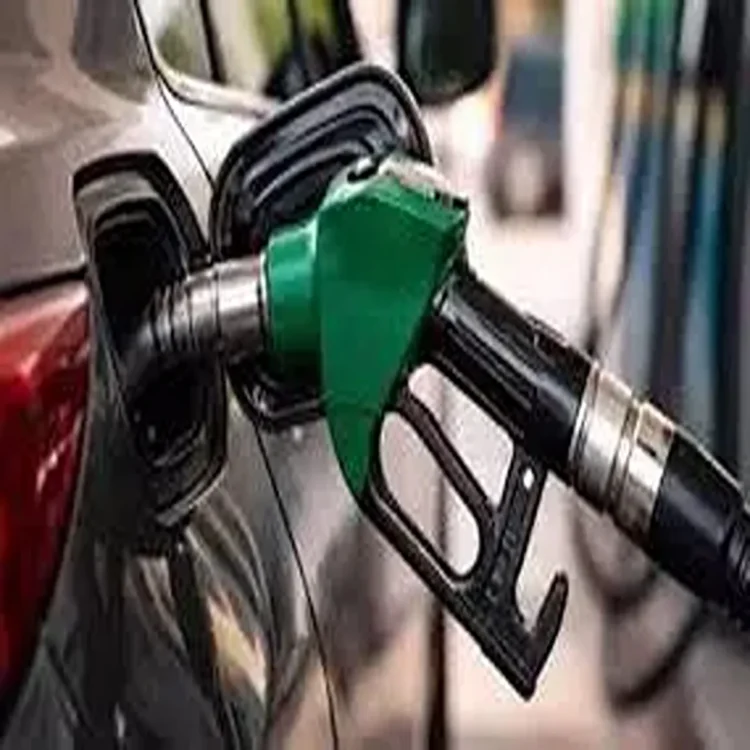
Leaders from the Congress, Samajwadi Party, Trinamool Congress and Left parties said the decision would further raise the cost of living and create additional challenges for businesses and consumers already dealing with inflation. The opposition argued that higher transport and fuel expenses could eventually impact food prices and economic activity across multiple sectors.
Congress Targets Government Over Economic Pressure
Senior Congress leader Rahul Gandhi strongly criticised the move, saying citizens were being forced to bear the burden of policy failures. Referring to the latest increase, he remarked that the financial impact on the public had already begun and warned that more economic pressure could follow gradually.
Congress president Mallikarjun Kharge also attacked the Centre, claiming the country was facing growing economic stress because of weak leadership and poor planning. According to Kharge, ordinary people were paying the price for what he described as administrative failures at the national level.
He stated that while international fuel-related issues had affected many countries, India’s internal economic challenges had become worse due to policy decisions and lack of effective governance. Kharge added that rising prices were directly affecting middle-class families, workers and small traders.
Left Parties Demand Immediate Rollback
The CPI(M) condemned the increase in fuel prices and called for an immediate reversal of the decision. In an official statement, the party’s Politburo said the hike would add to the hardship already being experienced by citizens facing unemployment, stagnant income levels and rising daily expenses.
The party also announced plans to organise protests in different regions against the revised fuel rates. According to CPI(M), the increase would have a widespread effect on transportation, agriculture and essential commodities, creating additional pressure on low-income groups.
Communist Party of India General Secretary D Raja also criticised the government, linking the present situation to what he described as failures in foreign policy and economic management. He alleged that national interests were being ignored while ordinary citizens continued to struggle with increasing financial burdens.
Regional Parties Raise Concerns Over Public Impact
Samajwadi Party chief Akhilesh Yadav used the issue to target the ruling establishment politically. Referring to his party’s election symbol, the bicycle, he suggested that people were searching for an alternative path amid growing economic concerns.
The Trinamool Congress also accused the Centre of misleading voters and increasing financial pressure soon after elections. Speaking at a press conference, party leader Sagarika Ghose alleged that the government had shifted the burden of economic difficulties onto citizens through repeated price increases.
According to opposition parties, fuel prices play a major role in determining the overall cost structure of the economy. They argued that any sharp increase in petrol and diesel rates eventually affects transportation charges, food supply chains and household budgets.
Concerns Over Inflation and Economic Growth
Economists and market observers have often pointed out that fuel price increases can influence inflation trends because transportation costs affect almost every sector. Opposition leaders claimed the latest revision could slow consumer spending and weaken economic growth if inflation continues to rise.
Several parties urged the government to review its taxation policies on petroleum products and introduce measures to reduce the burden on consumers. They also called for greater transparency regarding fuel pricing decisions and economic planning.
The government has not yet issued a detailed political response to the criticism raised by opposition leaders. However, the debate over fuel pricing is expected to remain a major issue in the coming weeks as political parties continue to target each other over inflation and economic management.