
Sanctions – Iran Issues Fresh Strait of Hormuz Transit Warning
Sanctions – Maritime security concerns in the Gulf region intensified after Iran’s Islamic Revolutionary Guard Corps (IRGC) Navy warned commercial vessels to follow only the officially designated Iranian shipping corridor while passing through the Strait of Hormuz. The statement came at a time of rising geopolitical friction involving Tehran and Washington over naval operations near key regional ports.
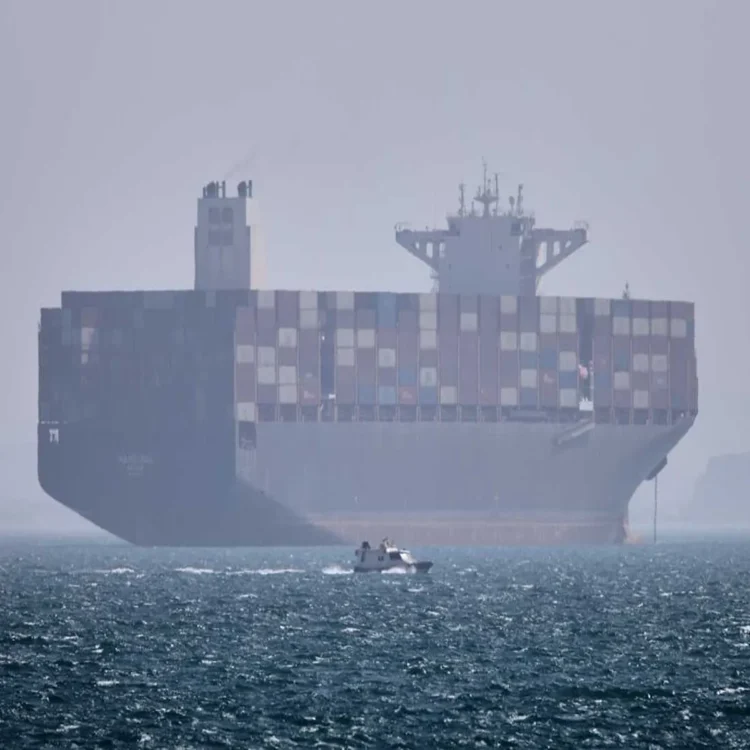
Iran Emphasises Strict Maritime Route Compliance
In its latest advisory released on Tuesday, the IRGC Navy instructed all ships crossing the Strait of Hormuz to remain within routes approved by Iranian authorities. According to the statement, any vessel attempting to move outside the specified corridor could face what Tehran described as a “decisive response.”
Iranian authorities maintained that the route already communicated by Tehran remains the only secure passage for maritime traffic in the strategically important waterway. Officials also warned that alternative navigation paths would be considered unsafe under the current regional conditions.
Strategic Importance of the Strait of Hormuz
The Strait of Hormuz is widely regarded as one of the world’s most sensitive maritime trade passages because of its central role in global oil transportation. A substantial share of international crude oil shipments moves through the narrow channel each day, making stability in the region essential for energy markets and commercial shipping operations.
Any disruption in the waterway often triggers international concern due to the potential impact on fuel prices, supply chains, and regional security. Shipping companies and global traders closely monitor developments in the Gulf, especially during periods of heightened military activity.
Tensions Continue Between Tehran and Washington
The latest warning from Iran emerged amid increasing friction linked to the ongoing US naval blockade around Iranian ports. Tehran has recently signaled a stronger approach toward monitoring and controlling maritime movement near its territorial waters.
Regional observers believe the situation could further complicate shipping activity in the Gulf if diplomatic efforts fail to ease tensions. Several countries with economic interests tied to Gulf trade routes are also watching developments carefully to avoid disruptions to commercial operations.
Trump Announces Temporary Pause in Project Freedom
At the same time, US President Donald Trump confirmed that “Project Freedom,” an initiative launched to assist merchant vessels operating in the Strait of Hormuz, would be temporarily suspended.
In a statement shared on Truth Social, Trump said the decision followed discussions involving Pakistan and several other countries that have been attempting to mediate between the United States and Iran. However, he clarified that the broader naval restrictions targeting Iranian ports would continue despite the pause in the operation.
US Naval Operations Remain Active
The US Central Command, commonly known as CENTCOM, had initiated Project Freedom earlier this week to support commercial ships seeking safe passage through the crucial international trade corridor.
The operation was designed to help merchant vessels navigate regional tensions while maintaining uninterrupted trade movement through the Strait of Hormuz. Although the initiative has now been paused temporarily, analysts suggest that the security situation in the Gulf remains highly sensitive and subject to rapid change.