
WomenReservation – Odisha Assembly to Hold Special Session on Women’s Role
WomenReservation – The Odisha Legislative Assembly has announced a one-day special sitting on April 30 to deliberate on the role and representation of women in the country’s democratic framework. The move follows recent political developments at the national level, where a key constitutional amendment proposal concerning women’s representation did not secure enough support in Parliament.
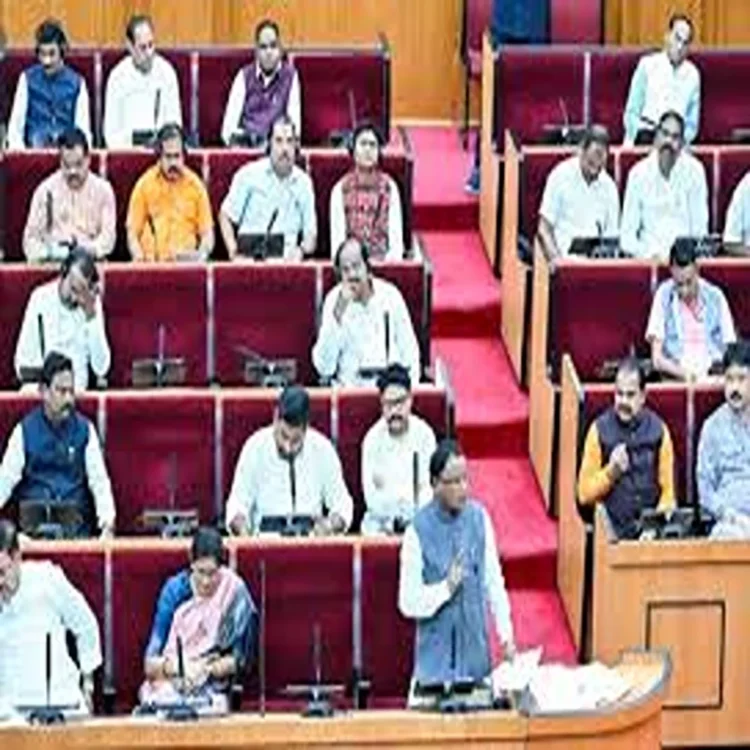
Special Session Announced Amid National Debate
The upcoming session is expected to focus on strengthening women’s participation in governance and addressing concerns raised after the Constitution (One Hundred and Thirty-first Amendment) Bill failed to pass in the Lok Sabha earlier this month. The Bill was discussed alongside two other legislative proposals—the Delimitation Bill and amendments related to Union Territories laws. During voting, 298 members supported the amendment, while 230 opposed it, leading to its rejection.
Political Reactions Intensify Across Parties
The outcome of the vote has triggered sharp reactions from political parties. Leaders of the ruling alliance at the Centre have accused Opposition parties of blocking efforts to ensure one-third reservation for women in legislative bodies. In Odisha, the Bharatiya Janata Party alleged that regional and national opposition forces worked together to prevent the legislation from moving forward.
At the same time, opposition leaders have defended their stance, arguing that the Bill was linked with delimitation provisions that could impact the political balance among states. This disagreement has added another layer to an already complex debate on representation and electoral reforms.
Protests and Public Mobilisation
In response to the Bill’s defeat, the BJP has organised public outreach campaigns, including protest marches in several states. These demonstrations aim to highlight what the party describes as missed opportunities for advancing women’s representation in politics. The issue has gained traction among various groups, with discussions extending beyond political circles into civil society.
Chief Minister Emphasises Broader Significance
Odisha Chief Minister Mohan Charan Majhi recently addressed the issue, describing the movement for women’s representation as part of a larger struggle for equality and dignity. He stated that the growing participation of women in public demonstrations reflects a strong demand for fair representation and justice. According to him, these voices signify determination and could shape future policy decisions.
BJD Raises Concerns Over State Interests
Former Chief Minister and Biju Janata Dal leader Naveen Patnaik offered a contrasting perspective. He reiterated his party’s longstanding support for women’s empowerment but criticised the central government for linking the reservation proposal with delimitation. Patnaik expressed concern that such measures could reduce Odisha’s political influence and argued that the state’s interests must not be compromised.
Broader Implications for Women’s Representation
The failure of the amendment Bill has reignited a national conversation about how best to ensure equitable representation for women in legislative bodies. While there is broad agreement across parties on the importance of empowering women, differences remain over the methods and conditions attached to such reforms.
The Odisha Assembly’s special session is likely to provide a platform for detailed discussion on these issues. Lawmakers are expected to examine both the opportunities and challenges associated with increasing women’s participation in politics, as well as the implications of linking reservation policies with electoral restructuring.
Looking Ahead
As debates continue at both state and national levels, the question of women’s representation remains a central issue in India’s democratic evolution. The decisions and discussions emerging from Odisha’s special session may contribute to shaping future policy directions and political consensus on this matter.