
Delimitation – Tamil Nadu Chief Minister Stalin Protests Proposed Constituency Changes
Delimitation – Tamil Nadu Chief Minister M.K. Stalin on Thursday staged a dramatic protest against the proposed delimitation legislation by burning a copy of the bill and launching a statewide agitation marked by black flags.
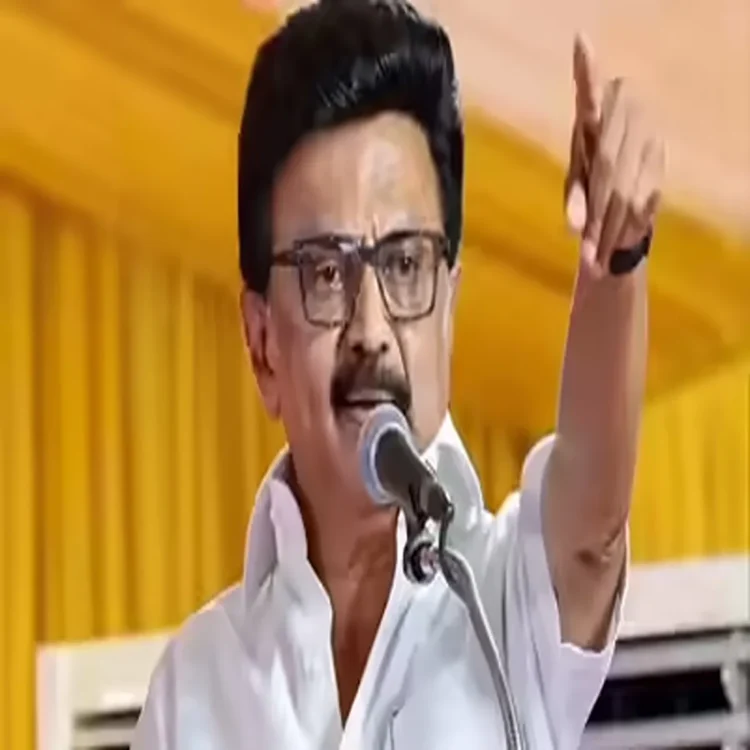
The move signals a sharp escalation in opposition to the Centre’s plan to redraw parliamentary and assembly constituencies based on population data from the 2011 census. Stalin described the proposal as a threat to the political balance and rights of southern states, particularly Tamil Nadu.
Protest Marks Start of Statewide Campaign
Dressed in black, Stalin raised a black flag to formally begin the protest movement across the state. In a strongly worded message shared publicly, he compared the agitation to past resistance movements in Tamil Nadu, stating that similar protests had previously compelled policy changes at the national level.
He alleged that the proposed law would disadvantage Tamil-speaking people and warned that the movement against it would gain momentum across the state. The demonstration is part of a broader campaign urging citizens to display black flags at their homes as a sign of dissent.
Concerns Over Representation and Federal Balance
Opposition to the delimitation proposal has been building for months but intensified after the Centre cleared draft amendments linked to implementing the Nari Shakti Vandan Adhiniyam, 2023. Critics argue that the delimitation exercise, if conducted strictly on population figures, could significantly alter the distribution of parliamentary seats.
Leaders in Tamil Nadu and other southern states fear that regions with slower population growth could lose representation, while states with higher population growth may gain additional seats. This, they argue, could disrupt the federal balance and reduce the political influence of southern states.
Ministers and Leaders Join the Opposition
State leaders have echoed similar concerns. Tamil Nadu Minister Anbil Mahesh Poyyamozhi also voiced strong objections, stating that the proposal appears to undermine state rights. Black flags were seen outside his residence in Tiruchirappalli, reflecting the growing intensity of the protest.
He pointed out that the number of Lok Sabha seats could increase significantly under the proposal, with some northern states expected to gain more representation. At the same time, he noted that the draft details have not been fully shared with opposition parties, raising concerns about transparency.
Debate Over Timing and Process
The timing of the proposed changes has also drawn criticism. Opposition leaders have questioned the decision to convene a special session of Parliament from April 16 to 18, especially during an ongoing election season in parts of the country.
They argue that such a major structural reform should involve wider consultation with state governments and political stakeholders. Instead, critics claim the process is being rushed without adequate debate.
Proposed Changes to Lok Sabha Composition
According to the proposal, the total number of Lok Sabha seats could increase to 850, up from the current 543. Of these, 815 seats would be allocated to states, while 35 would be reserved for Union Territories.
The government is also reportedly considering amendments to delink the delimitation process from the next census cycle, enabling earlier implementation of women’s reservation provisions ahead of the 2029 general elections.
Call for Public Participation
Stalin has urged citizens across Tamil Nadu to actively participate in the protest, framing it as a collective effort to safeguard the state’s rights. The call for black flag demonstrations has been widely circulated, with party workers mobilizing support at the grassroots level.
As the debate continues, the issue of delimitation is emerging as a significant political flashpoint, raising broader questions about representation, federalism, and the balance of power within India’s democratic framework.