
WaterSecurity – World Bank Launches Major Global Water Access Initiative by 2030
WaterSecurity – The World Bank Group has unveiled an ambitious international programme aimed at strengthening water security for up to one billion people by the end of this decade, placing water access at the center of economic development and job creation.
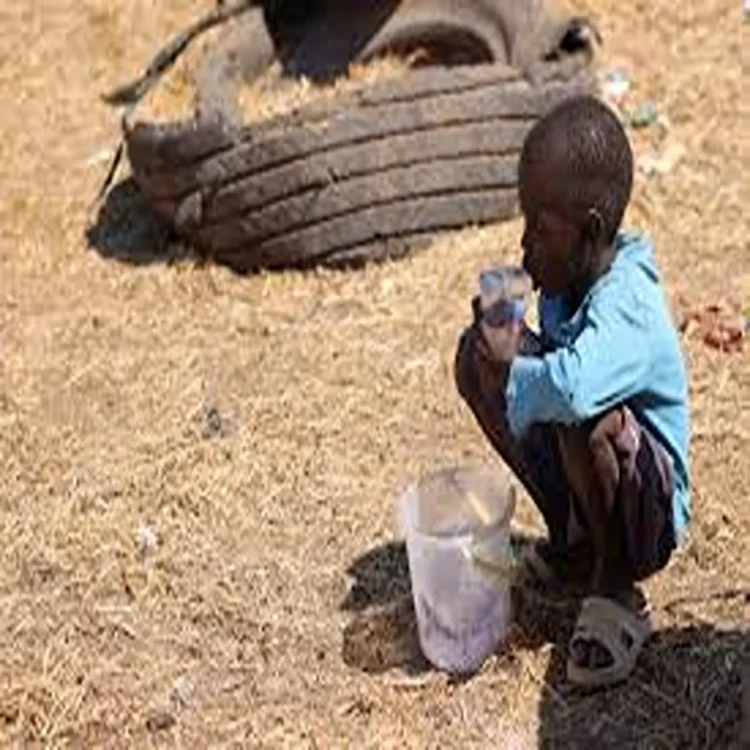
The initiative, named Water Forward, seeks to bring together policy reforms, financial support and global partnerships to improve access to dependable water supplies while helping countries better cope with climate-related challenges such as droughts and floods.
Water at the Core of Economic Growth
Speaking at the launch, World Bank President Ajay Banga stressed that water systems are not just a basic necessity but a key driver of economic activity. He explained that reliable water access supports agriculture, enables businesses to operate smoothly and helps cities attract investment.
He cautioned that weak or failing water systems can disrupt entire economies, underlining that water should not be treated as a secondary concern but as a fundamental element of development planning.
Rising Global Water Stress
The announcement comes at a time when water scarcity continues to intensify worldwide. According to World Bank estimates, around four billion people already face water shortages for at least part of the year. At the same time, industries and sectors dependent on water currently provide livelihoods to more than 1.7 billion people.
This growing imbalance between demand and supply has made water security a critical issue for governments, particularly in developing economies where infrastructure gaps remain significant.
Targets and Implementation Strategy
Under the Water Forward programme, the World Bank aims to directly benefit approximately 400 million people. With additional support from partner institutions and development agencies, the broader goal is to extend the impact to over one billion individuals globally.
A central feature of the initiative is the introduction of country-led “water compacts.” These agreements encourage governments to commit to policy reforms, strengthen institutional capacity and identify investment priorities. Fourteen countries have already announced their participation in these compacts at the launch stage.
Mobilising Private Investment
Another key objective of the programme is to attract private sector funding into water infrastructure. The World Bank plans to improve regulatory frameworks, enhance the performance of public utilities and support better project preparation to make investments more viable.
Business leaders have welcomed the initiative, highlighting the economic importance of water systems. Industrialist Aliko Dangote emphasized that water infrastructure should be treated on par with other essential services, noting that disruptions in water supply can negatively affect employment, agriculture, healthcare and overall productivity.
Social Impact and Human Development
Beyond economic considerations, the initiative also addresses the social consequences of water shortages. Speakers at the event pointed out that limited access to water can disrupt education, reduce job opportunities and affect daily life, particularly in vulnerable communities.
Ajay Banga highlighted the importance of ensuring that support reaches those most affected, especially as many countries face financial pressures due to global conflicts and rising debt levels.
Global Support and Funding Challenges
The programme has received backing from several multilateral development banks and international organisations, with commitments aimed at supporting regions across Asia, Africa and Latin America.
United Nations Secretary-General António Guterres also endorsed the initiative, describing access to safe water and sanitation as essential for sustainable development. However, he noted that the global system has struggled to allocate resources effectively, pointing to an estimated annual funding gap of around one trillion dollars in the water sector.
Looking Ahead
The Water Forward initiative represents a coordinated effort to address one of the most pressing challenges of the modern era. By linking water access to economic resilience and human development, the World Bank and its partners aim to create long-term solutions that can support both growth and stability.
If successfully implemented, the programme could significantly improve living conditions for millions while strengthening economies that depend heavily on reliable water systems.