
Riverfront – Delhi Leaders Review Yamuna Cleanup and Floodplain Plans
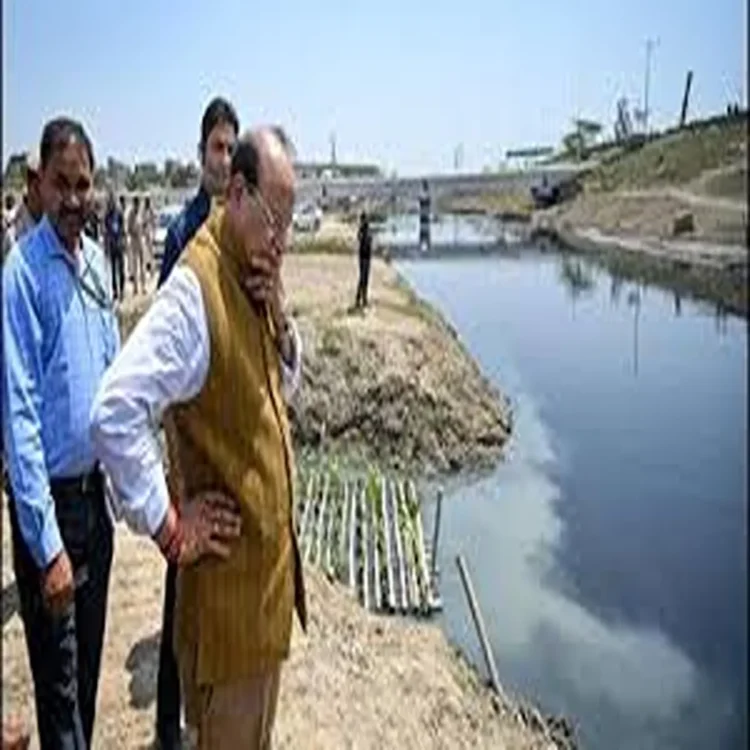
Riverfront – Delhi Chief Minister Rekha Gupta and Lieutenant Governor Taranjeet Singh Sandhu conducted a joint inspection of key Yamuna riverfront locations on Wednesday, focusing on sanitation, infrastructure upgrades, and long-term ecological restoration efforts.
Inspection of Key Riverfront Sites
The visit covered Vasudev Ghat and Yamuna Bazar Ghat, where both leaders examined ongoing work aimed at improving public access and environmental conditions. Officials briefed them on the development of ghats, landscaped green spaces, pedestrian pathways, and biodiversity zones. The inspection also included a review of facilities designed to encourage walking and cycling along the riverfront.
Focus on Ecological Restoration Measures
Authorities presented detailed plans outlining the restoration of the Yamuna floodplains in phases, stretching from Wazirabad to Okhla. These plans emphasize reviving natural ecosystems through riverbank plantations, wetland recovery, and the preservation of natural drainage channels. The initiative also includes the creation of greenways and unpaved walking tracks to balance accessibility with ecological sensitivity.
Efforts to enhance biodiversity and reduce pollution were highlighted as central objectives. Officials explained that restoring wetlands and strengthening natural filtration systems could play a key role in improving water quality over time.
Public Concerns Shape Policy Priorities
Lieutenant Governor Sandhu noted that the inspection followed a series of public consultations held over the past month. Residents had raised multiple concerns, including deteriorating river water quality, rising air pollution, seasonal flooding during monsoon months, and water shortages during summer.
He emphasized that governance strategies must respond directly to these concerns, adding that the administration is working toward a comprehensive rejuvenation of the Yamuna floodplain, covering the stretch from Palla to Kalindi Kunj within a defined schedule.
Coordination Among Departments
Following the site visit, clear instructions were issued to several key departments, including the Irrigation and Flood Control Department, Delhi Jal Board, Delhi Pollution Control Committee, and the Municipal Corporation of Delhi. These agencies have been directed to work in close coordination to ensure that projects move forward efficiently.
Officials have also been asked to prepare a unified action plan with specific targets and timelines. The aim is to ensure accountability and streamline execution across departments involved in river restoration and urban infrastructure development.
Steps to Improve River Capacity
Chief Minister Rekha Gupta stressed the importance of removing encroachments from the Yamuna floodplains. According to officials, clearing these areas is necessary to improve the river’s natural water-holding capacity and reduce the risk of flooding during heavy rains.
The move is expected to support broader efforts to restore the ecological balance of the river while also addressing urban challenges linked to water management.
Long-Term Vision for Yamuna Rejuvenation
The inspection reflects a broader vision to transform the Yamuna riverfront into a cleaner, more accessible, and environmentally sustainable space. By combining infrastructure development with ecological restoration, authorities aim to create a model for urban river management.
While progress is ongoing, officials acknowledged that sustained coordination, community involvement, and strict enforcement of environmental regulations will be essential to achieve lasting results.