
Budget – Delhi Assembly Passes Key Bills Amid Opposition Boycott
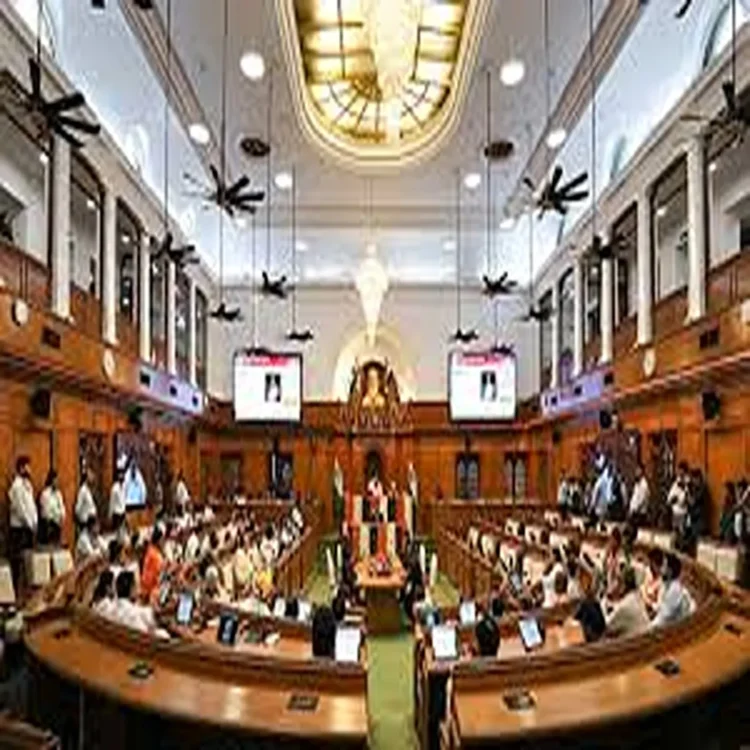
Budget – The Delhi Legislative Assembly wrapped up the second phase of its fourth session on Monday, completing significant financial and legislative work despite the limited presence of opposition members during much of the proceedings.
Session Duration and Key Approvals
According to Speaker Vijender Gupta, the Assembly met for a cumulative duration of over 15 hours across four sittings held between March 23 and March 27, 2026. During this period, lawmakers reviewed and approved crucial documents that outline the capital’s financial roadmap. Among the major developments was the adoption of the Economic Survey for the financial year 2025–26, which provides a comprehensive overview of the city’s economic performance and policy direction.
The Assembly also passed the Delhi Budget for 2026–27 after detailed discussions. The budget outlines spending priorities, revenue strategies, and sector-wise allocations aimed at addressing urban infrastructure, public services, and welfare initiatives. Officials described the budget as a key instrument for shaping administrative planning in the coming year.
Legislative Business Completed
In addition to financial matters, the House cleared several important bills during the session. While specific details of each bill were not elaborated upon in the official summary, the passage of multiple legislative proposals indicates that the Assembly used the available sittings to advance its policy agenda.
Speaker Gupta noted that the proceedings remained largely focused and productive, allowing the government to complete its scheduled business within the allotted timeframe. The efficient handling of both budgetary and legislative matters was highlighted as a positive outcome of the session.
Concerns Over Opposition Absence
A notable aspect of the session was the absence of opposition members for a significant portion of the discussions. Addressing this issue, the Speaker expressed disappointment, calling the situation “unfortunate.” He emphasized that legislative debates are a crucial platform for raising public concerns and ensuring accountability.
Gupta pointed out that elected representatives are provided with ample opportunities to participate in discussions, question policies, and present alternative viewpoints within the Assembly. He stressed that choosing disruption or boycott over participation weakens the democratic process and limits constructive dialogue.
Importance of Debate in Legislative Functioning
The Speaker’s remarks underscored the broader role of legislative bodies as forums for debate and scrutiny. Active participation by all sides, he suggested, contributes to better policymaking and ensures that diverse perspectives are considered before decisions are finalized.
The absence of opposition voices, therefore, not only reduces the scope of debate but also affects the overall balance of discussions. Observers note that such situations can lead to concerns about the depth of deliberation on important issues, even when procedural requirements are fulfilled.
Looking Ahead
With the conclusion of this session, the Delhi Legislative Assembly has completed a critical phase of its annual legislative cycle. The approval of the Economic Survey and the budget sets the stage for policy implementation in the upcoming financial year.
Future sessions are expected to address additional governance challenges and legislative proposals. The effectiveness of these proceedings may depend on broader participation from all political stakeholders, ensuring that debates remain comprehensive and representative.
The recently concluded session reflects both administrative progress and the ongoing need for collaborative engagement within the Assembly framework.