
Trade – Kashmir Handicrafts Sector Faces Sharp Slowdown Amid Iran Conflict
Trade – The ongoing conflict involving Iran has triggered an abrupt downturn in Kashmir’s carpets and handicrafts industry, raising concerns among traders and artisans who depend heavily on international buyers. Businesses across the valley report a sudden halt in inquiries, with industry leaders warning that prolonged instability could result in significant job losses in a sector that supports nearly three lakh people.
Sudden Drop in International Demand
Industry stakeholders say the situation has deteriorated rapidly since tensions escalated in the region. Exporters who typically rely on clients from the United States, Europe, and West Asia are now witnessing a complete slowdown in communication. According to trade representatives, buyers appear to be holding back amid global uncertainty, which has directly impacted order volumes.
Business leaders describe the current phase as unusually quiet, with trading activity almost coming to a standstill. The lack of new orders has created anxiety among exporters who depend on consistent demand to sustain production cycles.
Backbone of Kashmir’s Export Economy
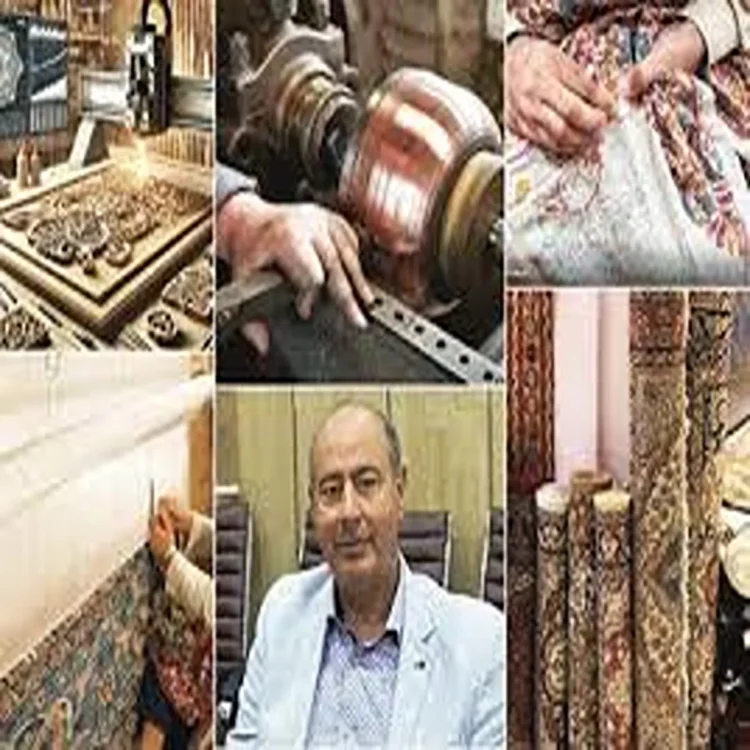
Kashmir’s handicrafts sector has long been known for its skilled craftsmanship and cultural heritage. Hand-knotted carpets remain one of the region’s most valued exports, reaching customers in over two dozen countries. Alongside carpets, products such as papier-mâché items, Pashmina shawls, Kani textiles, Sozni embroidery, and intricately carved walnut wood goods form a crucial part of the valley’s export basket.
These products are largely considered luxury items, making them particularly vulnerable during periods of geopolitical tension. When global uncertainty rises, consumers often reduce discretionary spending, which directly affects industries dealing in high-end goods.
Luxury Goods Most Affected by Global Uncertainty
Trade experts point out that industries tied to luxury markets are often the first to feel the impact of international conflicts. As households across the world shift focus toward essential needs, demand for premium handcrafted products declines sharply.
This shift in consumer behavior has left Kashmiri exporters struggling to maintain business momentum. Many traders believe that the ongoing situation reflects a broader global trend where economic caution is influencing purchasing decisions across major markets.
Artisans and Projects at Risk
The slowdown is not only affecting exporters but also the artisans working behind the scenes. Skilled workers who rely on steady production schedules now face uncertainty as orders dry up.
One notable example is an ambitious silk carpet project involving a large team of master artisans. The project, which has been underway for several years, represents both artistic excellence and economic opportunity. However, traders associated with such initiatives warn that prolonged disruption could force them to pause or abandon ongoing work if market conditions do not improve.
Despite current efforts to keep production running, many fear that sustaining operations will become increasingly difficult if demand does not recover soon.
Economic Impact and Employment Concerns
The carpets and handicrafts sector contributes significantly to Kashmir’s economy, generating annual exports worth several hundred crores. Beyond revenue, the industry plays a vital role in providing employment across rural and urban areas alike.
Experts caution that if the global situation remains unstable, the consequences could extend beyond temporary business losses. Large-scale job cuts may become inevitable, potentially affecting thousands of families who depend entirely on this sector for their livelihood.
Uncertain Outlook for Recovery
Trade representatives remain cautious about the near-term future. With global markets unsettled and no immediate resolution in sight, expectations of a quick recovery appear limited.
Industry voices emphasize the need for stability in international markets to restore buyer confidence. Until then, exporters and artisans in Kashmir may continue to face one of the most challenging periods in recent years.