
MiddleEastTensions – Iran Warns of Strong Response to Possible Israeli Strikes
MiddleEastTensions – Iran has issued a stern warning indicating that it will respond decisively if its critical infrastructure becomes a target of future attacks. The statement comes from Foreign Minister Seyed Abbas Araghchi, who revealed that Tehran possesses intelligence suggesting potential Israeli plans aimed at damaging key national facilities.
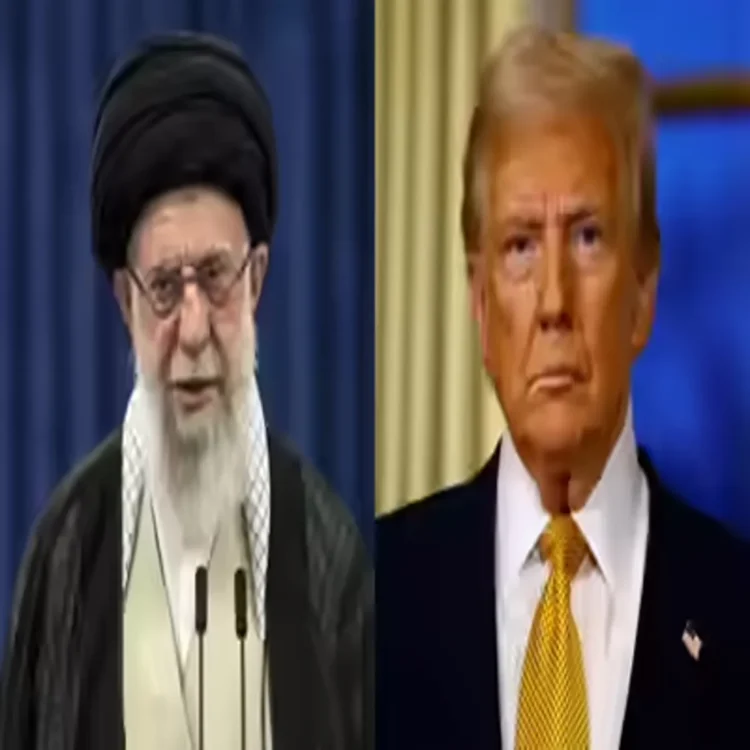
Iran Signals Firm Retaliation Policy
In a message shared on social media, Araghchi emphasized that Iran would not initiate aggression but would respond forcefully if provoked. He highlighted that the country maintains a principled stance in international dealings, refraining from surprise attacks while diplomatic engagements are ongoing. However, he made it clear that any direct assault on Iran’s infrastructure would trigger an uncompromising reaction.
The minister reiterated that Iran is fully aware of possible threats and warned that restraint would not be exercised if such attacks materialize. His remarks reflect growing tensions and signal a shift toward a more assertive posture.
Reference to Previous Military Exchanges
Araghchi also pointed to Iran’s earlier retaliatory actions, stating that previous responses to attacks on its infrastructure were measured and represented only a limited use of its capabilities. According to him, Iran deliberately held back to respect calls for de-escalation from international actors.
He stressed that any future escalation would not be met with similar restraint. Additionally, he underscored the need for any resolution to ongoing hostilities to address damages inflicted on civilian infrastructure, suggesting that accountability remains a key concern for Tehran.
Background of Recent Escalation
The tensions follow a series of major military developments that have significantly impacted the region. On February 28, coordinated strikes by Israel and the United States reportedly targeted Tehran and other cities. These attacks resulted in the deaths of several high-ranking officials, including Iran’s Supreme Leader Ali Khamenei, along with military personnel and civilians.
In response, Iran launched multiple waves of missile and drone attacks aimed at Israeli territory as well as US military assets across the Middle East. These exchanges marked a sharp escalation, raising fears of a broader regional conflict.
Iran’s Position on Relations with Muslim Nations
Amid the heightened tensions, Iran’s President Masoud Pezeshkian struck a more conciliatory tone regarding relations with neighboring Muslim countries. In a message marking the occasions of Eid al-Fitr and Nowruz, he stated that Iran does not seek conflict with Islamic nations.
Pezeshkian emphasized that Muslim countries share deep cultural and religious ties and should not be divided by external pressures. He described these nations as “brothers” and expressed a desire to maintain unity and cooperation within the region.
Blame and Proposal for Regional Stability
The Iranian president attributed the current strain in relations with some Arab nations to the actions of the United States and Israel. He argued that external interference has contributed to mistrust and instability among countries in the region.
In an effort to promote long-term peace, Pezeshkian proposed the creation of a collective security framework involving Muslim-majority nations in the Middle East. According to him, such a structure could help ensure stability, reduce conflicts, and strengthen regional cooperation.
Outlook Remains Uncertain
As tensions continue to simmer, the situation remains highly volatile. Iran’s warnings, coupled with its recent military responses, indicate that any further escalation could have significant consequences. At the same time, diplomatic signals from Tehran suggest that there is still interest in reducing tensions and building regional partnerships.
The coming weeks are likely to play a crucial role in determining whether the region moves toward further confrontation or finds pathways to de-escalation.