
Osman Hadi’s Protests: Bangladesh Political Turmoil Deepens Ahead of February Elections
Osman Hadi’s Protests: Bangladesh is witnessing a period of intense political uncertainty as its interim administration faces growing pressure following the killing of a controversial political figure and the emergence of serious allegations from his family. The situation has triggered widespread protests, sharp political rhetoric, and renewed debate over the credibility of the upcoming general elections, scheduled for February 12. As public anger simmers, the interim government finds itself struggling to maintain stability while promising reforms and justice.
Background of the Incident and Public Unrest
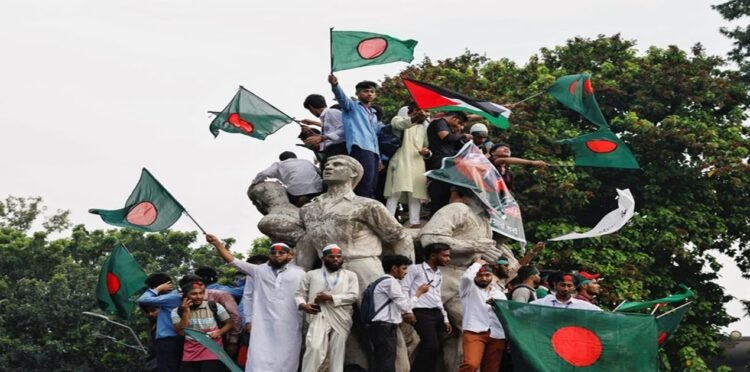
The current unrest began after the fatal shooting of Sharif Osman Hadi, a radical political leader who played a significant role in the events that led to the exit of former Prime Minister Sheikh Hasina. Hadi was attacked at close range in Dhaka on December 12 and later transferred to Singapore for advanced medical treatment. Despite these efforts, he succumbed to his injuries, sparking massive demonstrations across Bangladesh. His death quickly became a rallying point for opposition groups and activist platforms, turning grief into political mobilization.
Allegations Against the Interim Administration
Following the incident, Hadi’s brother, Sharif Omar Hadi, publicly accused the interim government led by Chief Adviser Muhammad Yunus of orchestrating the killing. According to Omar, the alleged motive was to influence the political environment ahead of the national elections. He claimed that powerful elements within the administration viewed his brother as an obstacle due to his insistence on timely elections and resistance to external pressure. These accusations have intensified distrust toward the current leadership and added fuel to the protest movement.
Election Timeline and National Referendum
Bangladesh is set to hold its general elections on February 12, marking the first nationwide polls since the violent, student-led uprising in August 2024 that led to the fall of the Awami League government. In a significant development, a national referendum will be held on the same day. This referendum aims to gather public opinion on a series of reform proposals drafted by the National Consensus Commission under the interim administration. Supporters argue that this dual exercise could strengthen democratic participation, while critics fear it may complicate an already volatile political climate.
Rising Protests and Political Rhetoric
At a rally held in Dhaka’s Shahbagh area, organized under the banner of Shahidi Shopoth, Omar directly addressed supporters and accused the authorities of responsibility for his brother’s death. He warned that failure to deliver justice before the elections could force current leaders to flee the country, echoing the fate of the previous government. Such statements have resonated with protestors, many of whom see the case as symbolic of broader issues such as accountability, governance, and political transparency.
Claims of Foreign Influence and Conspiracy
Adding another layer to the controversy, leaders associated with the Inqilab Moncho platform have described the killing as part of a deep conspiracy. They allege the involvement of international intelligence networks and domestic allies seeking to undermine national sovereignty and reverse the gains achieved during the July 2024 uprising. These claims have heightened nationalist sentiment and broadened the scope of the protests beyond a single incident to questions of external interference and state integrity.
Ultimatum and Future Implications
Protest leaders have issued a strict 30-working-day ultimatum to the interim government, demanding the identification and arrest of those responsible through an investigation that meets international standards. Failure to comply, they warn, will result in intensified nationwide demonstrations. With elections approaching, the government faces a critical test: balancing electoral preparations, maintaining public order, and addressing demands for swift justice. How it responds may determine not only the credibility of the upcoming polls but also the future direction of Bangladesh’s political transition.