
Uttar Pradesh: Bareilly City Magistrate’s Resignation Triggers Fresh Administrative Controversy in
Uttar Pradesh: Bareilly City Magistrate Alankar Agnihotri on Tuesday declined to respond to the Uttar Pradesh government’s decision to suspend him, stating that he had already resigned from service a day earlier. His resignation and the circumstances surrounding it have since sparked a wider political and administrative debate within the state.
Refusal to Comment on Suspension Order
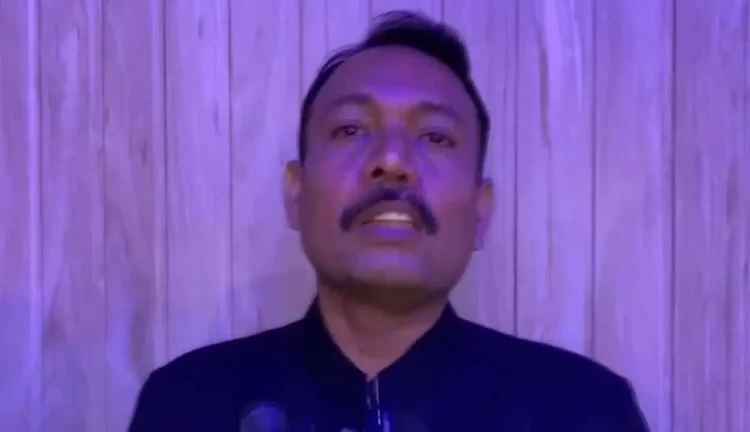
Speaking briefly to reporters at his official residence, Agnihotri said the suspension order held no relevance for him as he was no longer in service. He maintained that his resignation had already been submitted before the government issued its decision. According to him, any action taken after his resignation did not warrant a response from his side.
Allegations of a Conspiracy and Derogatory Remark
Agnihotri alleged that a conspiracy had been planned against him and claimed he overheard a disparaging comment while present at the district magistrate’s office late Monday night. He said the remark, made during a phone call on speaker mode, referred to him in a derogatory manner. The officer added that the comment, once known, prompted calls from various social organisations across different districts expressing concern over the language allegedly used.
Call for Identification of the Caller
The former city magistrate said he had been asked to visit the district magistrate’s office to help identify the individual who made the remark. He insisted that the matter required a thorough inquiry and suggested tracing the call to establish responsibility. Agnihotri argued that denials by senior officials were expected and claimed that only an independent investigation could bring clarity.
Dispute Over Departmental Action
The state government suspended Agnihotri on charges of indiscipline and ordered a departmental inquiry, directing that he be attached to the Shamli district magistrate’s office during the probe. Agnihotri rejected the directive, reiterating that he had already resigned and therefore saw no reason to comply with the transfer instruction.
Resignation Timing and Administrative Response
Addressing questions about whether he technically remained in service until his resignation was formally accepted, Agnihotri alleged that there were attempts to delay his resignation to enable disciplinary action. He claimed he was encouraged to either postpone submitting his resignation or apply for leave, which would have allowed authorities to act against him first. When those efforts failed, he alleged, the suspension order was issued late at night.
Stand on Legal Rights and Future Steps
Agnihotri asserted that resignation was a constitutional right and said no one could be compelled to continue in service against their will. He indicated that legal remedies were available if his resignation was not accepted. The officer also said he had nearly vacated his official residence and removed most of his belongings, signalling his intent to move on.
Objections to UGC Regulations Cited
In his resignation letter, Agnihotri strongly criticised the new University Grants Commission regulations issued earlier this month. He described them as harmful to the academic environment and claimed they could intensify caste-related tensions on campuses. The regulations aim to address caste-based discrimination by requiring institutions to establish dedicated committees, helplines, and monitoring mechanisms, particularly for students from marginalised communities.
Remarks on Religious and Administrative Issues
Agnihotri also referred to the recent controversy involving restrictions on Swami Avimukteshwaranand, the Shankaracharya of Jyotishpeeth, during the Magh Mela in Prayagraj. He said the religious leader had spoken to him after his resignation and conveyed his blessings, adding that he did not wish to comment further on the issue at this stage.
Appeal for Central-Level Inquiry
On broader concerns, Agnihotri said he had no personal grievances against any individual but spoke of a perception of bias within the administrative system. He claimed that an ideological hostility towards Brahmins was prevalent and had become associated with the government in public discourse. The former officer said he had appealed to the Prime Minister to constitute a Special Investigation Team, arguing that an impartial probe was necessary to establish facts and address allegations of prejudice.