
Elections – Akhilesh Yadav Raises Concerns Over UP Voter List Revision
Elections – Samajwadi Party chief Akhilesh Yadav on Friday questioned the integrity of the recent revision of electoral rolls in Uttar Pradesh, alleging irregularities in the process and suggesting that ruling authorities rely on institutions when facing political challenges. His remarks came shortly after the state election authorities released the final voter list in Lucknow.
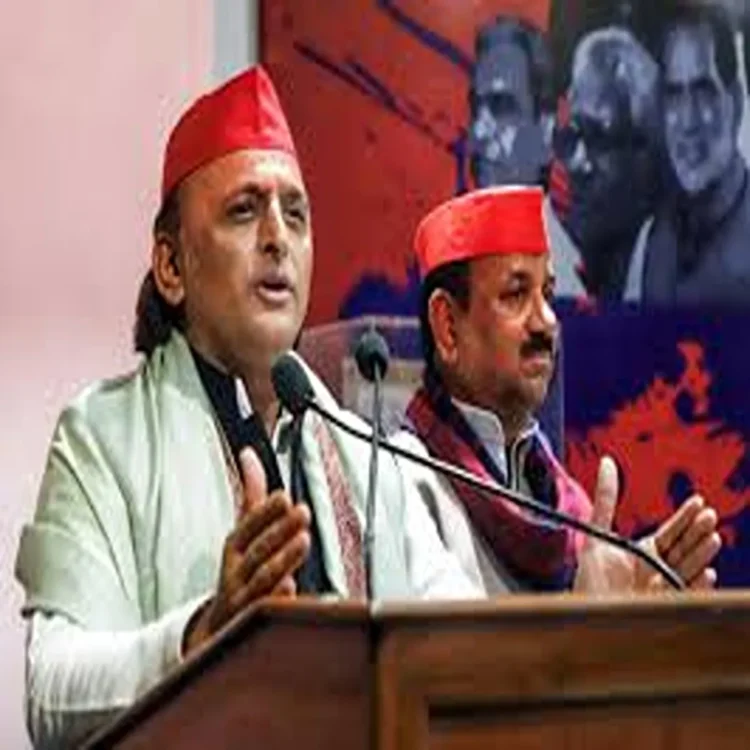
Allegations Surrounding Electoral Roll Revision
Addressing reporters, Yadav said the updated voter list raises concerns about fairness in the electoral system. He claimed that whenever the ruling party faces setbacks on key public issues, it shifts focus and relies on institutional mechanisms during elections. According to him, this trend undermines confidence in the democratic process.
He further alleged that several government agencies, including investigative and financial enforcement bodies, have already faced public scrutiny in the past. Now, he suggested, similar concerns are emerging regarding the role of election authorities in the conduct of polls.
Claims of Irregularities in SIR Exercise
Yadav pointed to discrepancies in the Special Intensive Revision (SIR) exercise, alleging that names of legitimate voters were removed using questionable methods. He cited a case where a voter’s name was allegedly deleted based on forged documentation, claiming the individual was unable to sign documents, yet records showed otherwise.
According to Yadav, the lack of action in such cases raises doubts about accountability. He argued that if complaints are not addressed transparently, it may indicate bias or lack of independence in the system responsible for maintaining electoral rolls.
Concerns Over Bypolls and Voting Process
The former chief minister also criticized the conduct of recent bypolls in the state, describing them as deeply flawed. He suggested that the situation during these elections reflected serious lapses, using strong language to underline the gravity of his concerns.
He maintained that such issues, if not examined carefully, could erode public trust in the electoral framework. His remarks emphasized the need for a transparent and accountable process to ensure free and fair elections.
Official Response and Data on Voter List
Meanwhile, Uttar Pradesh Chief Electoral Officer Navdeep Rinwa stated that the SIR exercise was conducted over several months, from late October 2025 to early April 2026. The revision covered all districts and assembly constituencies in the state.
According to official data, the final electoral roll shows a significant increase in the number of registered voters. Compared to the draft list published earlier in January, more than 84 lakh voters have been added, bringing the total electorate to approximately 13.39 crore.
Authorities maintain that the revision process followed established guidelines and was carried out comprehensively across the state.
Additional Political Concerns Raised
In a separate statement, Yadav also raised concerns on other issues, including the treatment of religious leaders and the responsibility of the government to ensure their safety. He alleged that certain figures were being disrespected and even threatened, calling for greater attention to their protection.
He also questioned the delay in implementing women’s reservation, particularly the decision to link it with future elections. Additionally, he criticized the reliance on older census data for policy decisions, suggesting it may lead to inaccurate representation and confusion among voters.
Party Demands Detailed Data on Voter Changes
The Samajwadi Party has formally sought detailed information on changes made to the voter list. State party president Shyam Lal Pal submitted a memorandum requesting constituency-wise and booth-level data.
The party has asked for clarity on voter deletions due to reasons such as death, relocation, duplication, or administrative errors. It also requested details of newly added voters and corrections made during the revision process.
Party leaders alleged that there may be a pattern in which voter names are removed from areas where the ruling party traditionally receives less support. They reiterated concerns about impartiality and called for greater transparency from election authorities.