
AirQuality – Yogi Adityanath Compares Delhi Pollution to Gas Chamber
AirQuality – Uttar Pradesh Chief Minister Yogi Adityanath on Saturday drew a sharp contrast between air quality conditions in the national capital and his home state, describing Delhi’s pollution levels as comparable to a “gas chamber.” Speaking at a public event in Gorakhpur, he said residents of Uttar Pradesh continue to experience cleaner surroundings even as the state pushes ahead with infrastructure and development projects.
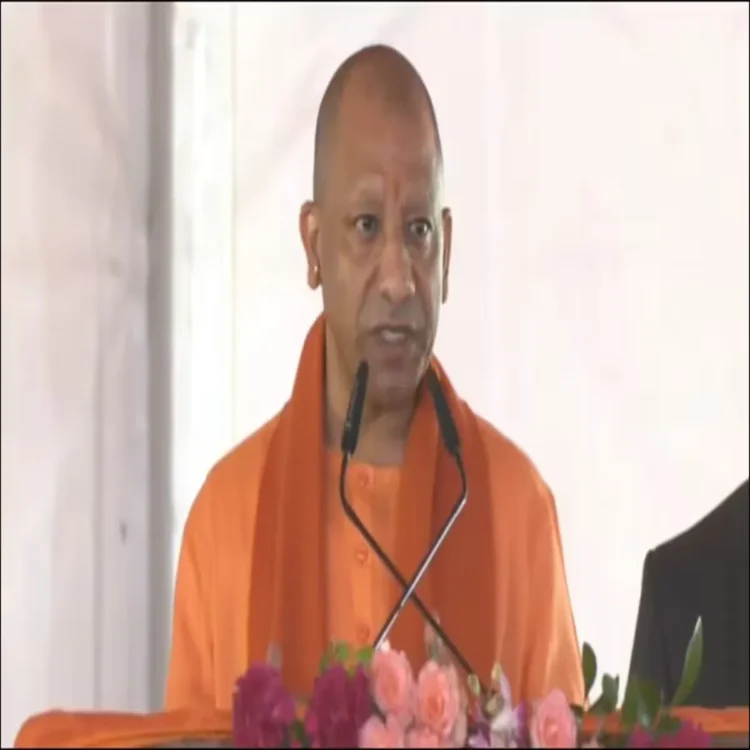
Environmental Concerns Highlighted at Gorakhpur Event
The Chief Minister made the remarks during the inauguration of a renovated Block Development Officer’s office in Jungle Kauria, Gorakhpur, according to an official statement issued by the state government. Addressing local residents and officials, he underscored the growing global challenge posed by environmental degradation.
Adityanath noted that maintaining ecological balance has become one of the most pressing issues worldwide. He said that regions able to safeguard their air and natural resources would be better positioned to protect public health in the long run.
“The environment here remains healthy and largely pollution-free,” he told the gathering. He added that cleaner air reduces the risk of respiratory illnesses and other health complications. When pollution increases, he explained, it directly affects lung function, which in turn impacts the body’s overall well-being due to reduced oxygen intake.
Sharp Comparison With Delhi’s Pollution Levels
Turning his attention to the situation in the national capital, Adityanath said the air quality in Delhi has deteriorated to alarming levels. He described the atmosphere there as suffocating, stating that breathing becomes difficult and irritation in the eyes is common during periods of high pollution.
Referring to medical advice often issued during peak pollution episodes, he pointed out that doctors typically recommend children, elderly citizens, and individuals with asthma remain indoors. “Such conditions raise serious questions about quality of life,” he remarked, warning that environmental neglect can lead to severe public health consequences.
His comments come amid continuing concerns about seasonal spikes in pollution in Delhi, particularly during winter months when smog levels tend to rise.
AQI Data Reflects Ongoing Challenges
Data released by the Central Pollution Control Board showed that Delhi’s Air Quality Index stood at 211 at 9 am on Saturday, placing it in the “poor” category. According to CPCB standards, AQI readings between 201 and 300 are classified as poor, indicating air quality that may cause discomfort to people with respiratory conditions and prolonged exposure risks for the general public.
The CPCB categorizes AQI levels as follows: zero to 50 is considered good; 51 to 100 satisfactory; 101 to 200 moderate; 201 to 300 poor; 301 to 400 very poor; and 401 to 500 severe. These benchmarks are used nationwide to inform health advisories and regulatory responses.
Development and Environmental Balance
Adityanath emphasized that Uttar Pradesh aims to pursue economic and infrastructure growth without compromising environmental standards. He said development should not come at the cost of clean air or public health, adding that balanced policies are essential to ensure sustainable progress.
“We consider ourselves fortunate that development is taking place without creating a suffocating atmosphere,” he said. He cautioned that any disruption to ecological systems, if left unchecked, could lead to conditions similar to those witnessed in highly polluted cities.
Environmental experts have long maintained that rapid urbanization, vehicular emissions, industrial activity, and seasonal factors contribute significantly to declining air quality in several metropolitan areas. Governments at both state and central levels continue to implement measures such as emission controls, monitoring systems, and awareness campaigns to address the issue.
As discussions around climate change and urban pollution intensify, the remarks by the Uttar Pradesh Chief Minister add to the broader national conversation on environmental management and public health.