
WomenReservation – Congress Reaffirms Support for Women’s Quota Amid Policy Debate
WomenReservation – Senior Congress leader Shashi Tharoor on Saturday reiterated the party’s firm backing for women’s reservation in legislatures, underlining its commitment to expanding opportunities for women in political decision-making. His remarks come at a time when discussions around amendments to the existing law have resurfaced in national politics.
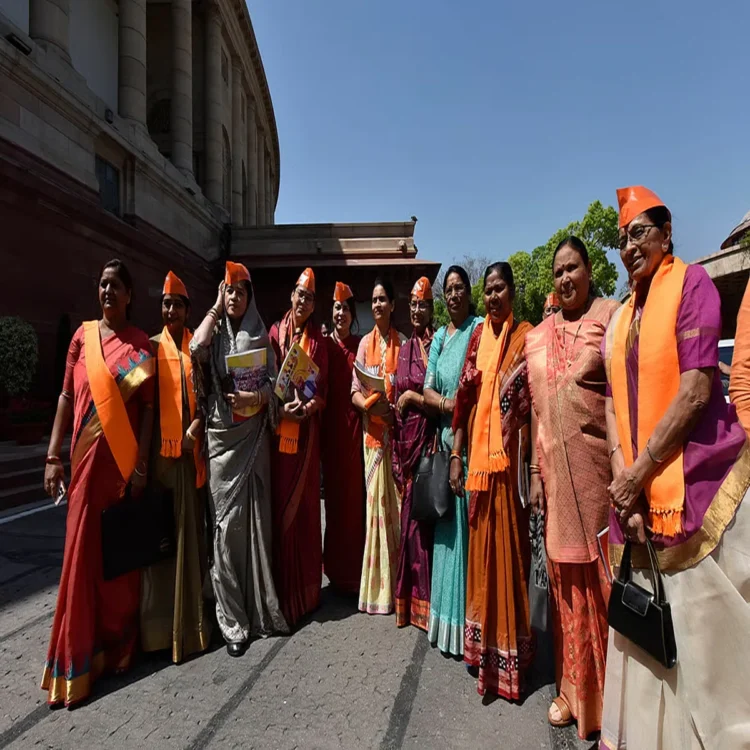
Party Stands Firm on Women’s Representation
In a public message, Tharoor emphasized that the Congress remains fully supportive of providing greater representation to women through reservation. He noted that members of the party’s women’s wing had recently expressed optimism about improved political prospects, and he assured them that the leadership continues to stand by their demands.
The statement reflects the party’s consistent position over the years, as it has long advocated for enhanced participation of women in legislative bodies at both state and national levels.
Key Meeting Reviews Proposed Amendments
The issue gained further attention following a meeting of the Congress Working Committee held in New Delhi. During the discussion, senior leaders examined the government’s proposed changes to the Women’s Reservation framework.
According to Tharoor, the committee reaffirmed its historical stance in favor of reserving one-third of seats for women. He recalled that a similar measure had been passed in the Rajya Sabha in 2013 during a previous Congress-led government, demonstrating the party’s longstanding commitment to the cause.
Concerns Over Process and Transparency
Despite supporting the principle of reservation, the Congress raised concerns about how the current amendments are being introduced. Tharoor pointed out that the government’s approach lacks adequate consultation with opposition parties, describing it as unilateral and insufficiently transparent.
He stressed that such significant constitutional changes should involve broader dialogue to ensure consensus and maintain trust in democratic processes. The party has also questioned the timing of the amendments, suggesting that the move may be influenced by upcoming electoral considerations.
Delimitation Debate Raises Federal Concerns
One of the major issues highlighted during the meeting was the possible linkage between the reservation bill and a future delimitation exercise. Tharoor warned that such a combination could alter the balance of representation among states.
Leaders expressed apprehension that states in regions such as the South and Northeast might face unintended disadvantages if population-based seat adjustments are tied to reservation implementation. The party argued that any such move must be carefully evaluated to preserve federal equity.
Questions Over Implementation Timeline
Another point of discussion was the shifting narrative around the implementation timeline. Congress leaders noted that earlier delays in enforcing the reservation law were attributed to the need for updated census data.
However, the current push for amendments appears to have accelerated, raising questions about consistency in the government’s position. Some leaders suggested that the urgency could be linked to political strategy ahead of the 2029 general elections.
Call for Inclusive and Balanced Approach
Tharoor emphasized that while the Congress remains committed to women’s reservation, the process must adhere to democratic norms. He called for an inclusive framework that respects institutional procedures and ensures meaningful debate in Parliament.
According to him, legislation of such importance should strengthen democratic values rather than serve as a tool for political advantage. The party has urged the government to adopt a consultative approach that accommodates diverse perspectives.
Government Moves Forward With Amendment Plan
Meanwhile, the Union Cabinet has reportedly approved a draft amendment aimed at operationalizing the Women’s Reservation Act earlier than initially planned. The proposal seeks to modify provisions under the Nari Shakti Vandan Adhiniyam, enacted in 2023.
Sources indicate that the government intends to align the implementation of reservation with future electoral cycles, potentially bringing it into effect by the 2029 general elections.
As the debate continues, the issue of women’s political representation remains central to discussions on electoral reform and democratic inclusion in India.