
Wildlife – Warm Winter Drives Bears Into Uttarakhand Villages
Wildlife – Human-wildlife conflict in Uttarakhand rises as bears remain active amid weak snowfall – The hill districts of Uttarakhand are witnessing a surge in bear sightings and attacks this winter, raising concern among residents and forest officials alike.
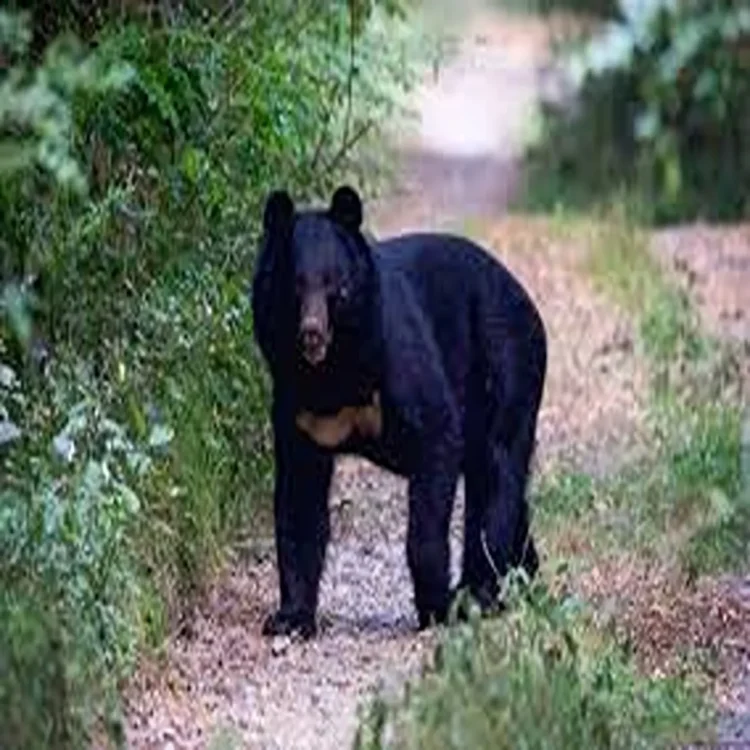
In recent weeks, several villages across the state have reported unexpected encounters with wild bears. According to official data, at least nine bear attacks have been recorded since January, prompting authorities to intensify monitoring efforts. Local communities, particularly in higher altitude areas, say they are living in fear as the animals stray closer to homes and farmlands.
Unusual Winter Disrupts Natural Cycle
Wildlife specialists attribute this emerging pattern to shifting weather conditions. Traditionally, bears in the Himalayan region withdraw into dens during the winter months. Heavy snowfall and sustained cold temperatures trigger a period of hibernation, allowing the animals to conserve energy when food is scarce.
This year, however, snowfall has been sparse and inconsistent. Large stretches of the upper hills have not received the kind of prolonged snow cover that typically blankets the region between late autumn and early spring. Without these conditions, bears have remained active, continuing to roam in search of food.
Experts note that when natural food sources such as berries, roots, and small prey become limited, bears are more likely to approach human settlements. Crops, livestock feed, and household waste can become easy targets, increasing the risk of confrontation.
Expert Explains Snowfall Threshold
Ranganath Pandey, a former Deputy Director of the Uttarakhand Forest Department and a long-time wildlife specialist, outlined the specific environmental requirements for hibernation. He explained that bears generally enter winter sleep only when there is consistent and substantial snowfall at higher elevations.
“For proper hibernation, there needs to be at least one foot of accumulated snow at altitudes around 2,500 metres, and it should remain for nearly three months,” Pandey said. “Since October, both rainfall and snowfall have been far below normal levels. Without that sustained snow cover, the animals do not receive the environmental signal to retreat into dens.”
Meteorological data from recent months supports this observation, indicating below-average precipitation across several mountainous districts. The reduced snow cover has altered the usual winter landscape, leaving slopes more exposed and accessible.
Rising Tension in Rural Communities
Residents in affected areas describe growing anxiety, particularly during early morning and evening hours when bears are most active. Some villages have reported damage to crops and storage sheds, while others recount sudden encounters along forest edges and footpaths.
The Forest Department has stepped up patrols and awareness campaigns, advising villagers to avoid venturing alone into dense forest areas and to secure food waste properly. Officials are also monitoring movement patterns to prevent further incidents and respond quickly to emergency calls.
While no large-scale relocation efforts have been announced, authorities say they are assessing the situation closely. Wildlife teams are focusing on conflict-prone zones to reduce risks to both humans and animals.
Climate Variability and Long-Term Concerns
Environmental observers warn that such incidents could become more frequent if irregular weather patterns persist. Changes in snowfall timing and intensity can disrupt established wildlife behaviour, potentially leading to prolonged periods of activity during what is normally a dormant season.
Scientists emphasize that bears do not hibernate out of choice but respond to environmental cues. When those cues weaken, natural rhythms are disturbed. The current situation in Uttarakhand highlights how climate variability can have direct consequences for mountain ecosystems and nearby communities.
For now, forest officials continue to urge caution and cooperation. As winter progresses, authorities hope that improved weather conditions may help restore some balance. Until then, vigilance remains the key strategy in preventing further conflict between humans and wildlife.
Uttarakhand, bear attacks, wildlife , snowfall, Forest Department, climate change, Himalayan region, hibernation, rural communities, mountain weather,