
Travel – Char Dham Yatra Sees Surge, Raising Safety and Ecology Concerns
Travel – A recent assessment of the 2025 Char Dham Yatra has brought attention to serious structural and environmental concerns within one of India’s most significant religious journeys. The findings indicate that a large majority of pilgrims chose to undertake the यात्रा within a limited timeframe, placing extraordinary strain on infrastructure and natural surroundings.
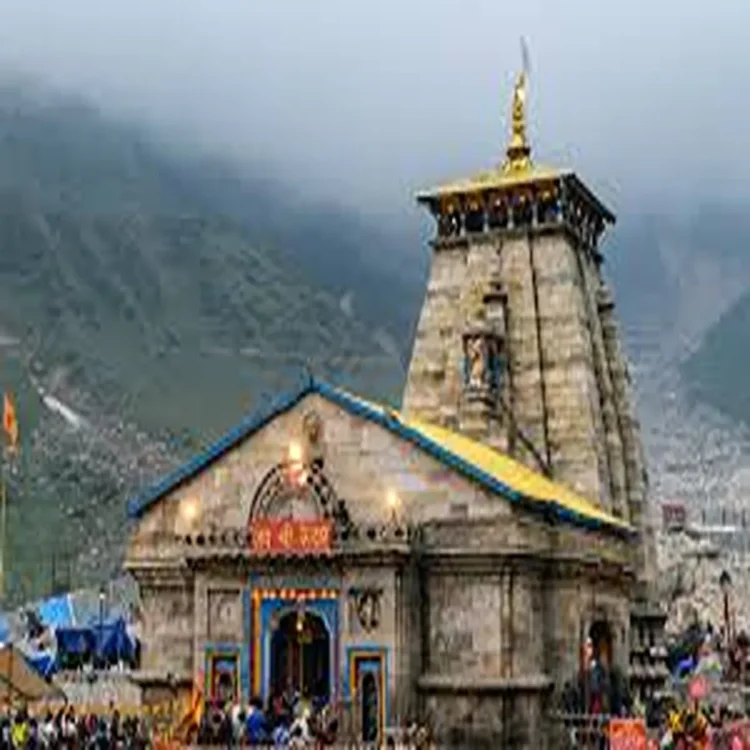
Sharp Rise in Early-Season Pilgrim Numbers
The study reveals that nearly three-fourths of the annual pilgrim turnout was recorded within just the first two months of the यात्रा. Out of a total of 51,06,346 visitors in 2025, around 72 percent traveled during this initial period. While this marked a modest increase of 6.4 percent compared to the previous year, it still fell short of the peak recorded in 2023.
This uneven flow has raised concerns among experts, as the early-season surge significantly exceeds the carrying capacity of many facilities along the route. Roads, accommodation, and emergency services faced immense pressure during this time, increasing risks for both pilgrims and local communities.
Imbalance in Seasonal Footfall
The report highlights a clear concentration of visitors within a short span. Approximately 34 percent of pilgrims arrived within the first month, followed by another 38 percent in the subsequent month. The most intense period was observed during the second week of June, when more than five lakh pilgrims traveled within just seven days.
In contrast, extended periods of inactivity were also recorded. Due to adverse weather conditions and the monsoon season, there were 86 days across various shrine routes when no pilgrims were present. Certain destinations experienced prolonged inactivity, with Yamunotri recording 38 days of zero footfall and Gangotri witnessing 35 such days.
This uneven pattern not only complicates management efforts but also disrupts local economies that depend on a steady flow of visitors throughout the season.
Environmental and Infrastructure Concerns
Experts have warned that the heavy concentration of pilgrims in a short window can lead to long-term ecological damage. The fragile Himalayan ecosystem is particularly sensitive to sudden increases in human activity, including waste generation, vehicular congestion, and resource consumption.
The report emphasizes that infrastructure development has not kept pace with the growing number of visitors. Overcrowding during peak weeks increases the likelihood of accidents, delays in emergency response, and logistical breakdowns. It also puts pressure on water resources and waste management systems, which are already limited in high-altitude regions.
Safety Issues Highlighted in Helicopter Operations
Another critical aspect raised in the analysis relates to helicopter services operating along the Kedarnath route. Over a six-week period, five separate aviation incidents were recorded. Two of these accidents resulted in fatalities, leading to the loss of around 13 lives.
One incident near Gaurikund has been identified as particularly concerning, suggesting deeper operational and regulatory challenges. The findings call for stricter oversight and improved safety protocols to prevent similar occurrences in the future.
Call for Better Planning and Policy Shift
The report urges authorities to reconsider the current approach, which often focuses on increasing visitor numbers rather than ensuring sustainable management. Experts believe that better planning, including spreading pilgrim traffic more evenly across the यात्रा period, could significantly reduce risks.
Suggestions include improved scheduling systems, enhanced infrastructure readiness, stricter safety regulations, and increased awareness among pilgrims about choosing less crowded travel periods. Such measures could help balance economic benefits with environmental protection and public safety.
Overall, the findings underline the need for a more thoughtful and data-driven approach to managing the Char Dham Yatra, ensuring that both pilgrims and the environment are protected for the long term.