
TradeDeal – Opposition Leaders Criticize India-US Trade Framework Terms
TradeDeal – A fresh political debate has erupted following the announcement of a new trade framework between India and the United States, with opposition leaders questioning the terms and their potential impact on the domestic economy.
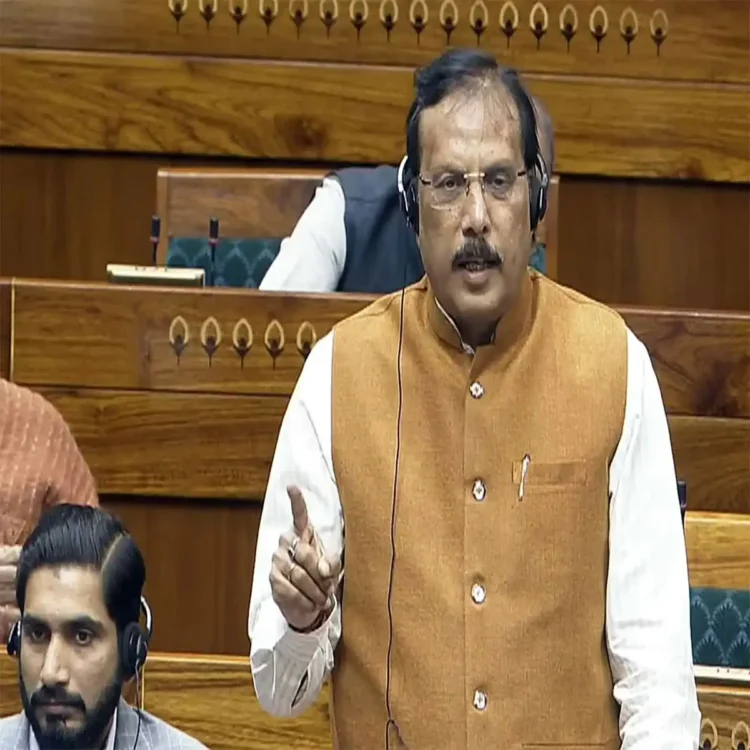
Rajeev Rai Calls Agreement a Blow to National Interests
Rajeev Rai, National Secretary of the Samajwadi Party and Member of Parliament, strongly criticized the structure of the agreement on Saturday. In a post on social media platform X, Rai described the framework as a setback for India’s economic sovereignty and warned that farmers could bear the brunt of the decision.
Referring to the joint declaration issued by both governments, he argued that India has agreed to remove or significantly reduce duties on several American agricultural and industrial goods, while the United States would continue to impose an 18 percent reciprocal tariff on a range of Indian exports.
Rai claimed that the arrangement would disadvantage Indian producers, especially those in the agricultural sector. He also alleged that the agreement reflects a diplomatic imbalance in favor of Washington.
Details of the Tariff Structure
According to the joint statement, the United States will apply an 18 percent tariff on select goods originating from India. These include textiles and apparel, leather and footwear products, plastic and rubber items, organic chemicals, home décor articles, handicrafts, and certain categories of machinery.
On the other hand, India has agreed to either eliminate or substantially cut tariffs on a broad spectrum of American industrial products and food items. These reportedly include dried distillers’ grains used in animal feed, red sorghum, tree nuts, fresh and processed fruits, soybean oil, wine and spirits, along with additional agricultural commodities.
The framework has been introduced as part of an interim arrangement aimed at advancing negotiations for a broader Bilateral Trade Agreement between the two countries.
Saket Gokhale Warns of Rising Trade Deficit
Saket Gokhale, Member of Parliament from the All India Trinamool Congress, also voiced strong objections. He termed the proposed arrangement unfavorable to India and expressed concern over the scale of future imports from the United States.
Under the framework, India has indicated its intention to import goods worth USD 500 billion from the US over the next five years. These imports would cover energy products, aircraft and related components, precious metals, technology items, and coking coal.
Gokhale pointed out that India’s annual imports from the US over the past three years have ranged between USD 40 billion and USD 42 billion. Raising that figure to USD 500 billion within five years, he argued, represents a dramatic escalation.
Economic Implications and Currency Concerns
The TMC leader suggested that meeting the proposed import target could have significant consequences. He outlined three possible outcomes: India may purchase American goods at higher prices to fulfill the commitment; the country’s overall import bill could expand sharply; or the trade deficit could widen if exports do not grow at a comparable pace.
India’s total annual merchandise imports currently stand at approximately USD 720 billion, while exports are valued at around USD 450 billion. According to Gokhale, unless exports increase substantially in the coming years, the imbalance could intensify.
He also raised concerns about currency stability, noting that a weaker rupee against the US dollar would make large-scale imports more expensive and potentially exert additional pressure on the economy.
Framework Linked to Broader Trade Talks
The interim framework was announced following discussions between Narendra Modi and Donald Trump earlier this year. The joint statement reaffirmed both countries’ commitment to continuing negotiations on a comprehensive Bilateral Trade Agreement launched on February 13, 2025.
Officials from both sides have indicated that the broader agreement is expected to expand market access and strengthen supply chain resilience between the two economies.
While the government has presented the framework as a step toward deeper economic cooperation, opposition leaders maintain that the long-term impact on domestic industries, farmers, and fiscal stability requires careful scrutiny.