
TradeDeal – Jairam Ramesh Questions India-US Interim Trade Framework
TradeDeal – Congress leader Jairam Ramesh has raised sharp questions over the newly announced framework for an interim trade agreement between India and the United States, expressing concern about its potential impact on India’s economy and strategic interests.
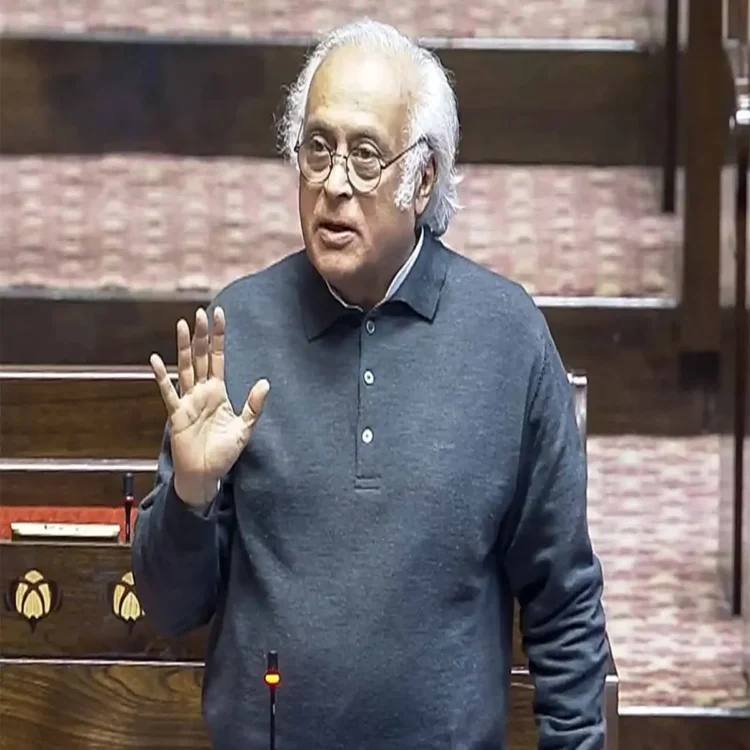
Opposition Flags Oil Import Concerns
In a statement issued on Saturday, the Congress Member of Parliament pointed to the White House confirmation that India has agreed to stop importing oil from Russia. He said the development could significantly alter India’s energy sourcing strategy.
Ramesh noted that alongside the reported commitment, the United States has indicated it may reintroduce a 25 percent penalty if India resumes purchasing Russian oil, either directly or indirectly. He argued that such conditions could restrict India’s policy flexibility in managing its energy needs.
Energy imports have played a crucial role in stabilising domestic fuel prices in recent years. India had expanded purchases of discounted Russian crude following geopolitical disruptions in global markets. Any shift away from that supply source, analysts suggest, may require adjustments in procurement strategies and pricing structures.
Agriculture and Trade Balance Under Scrutiny
Ramesh also criticised the proposed reduction in import duties on agricultural goods, saying the move would favour American producers at the expense of Indian farmers. According to him, easing tariff barriers on farm imports could intensify competition in the domestic market.
He further claimed that India’s annual imports from the United States could increase substantially under the framework, potentially eroding India’s longstanding goods trade surplus with Washington. While the final terms of the agreement have not yet been fully disclosed, Ramesh argued that available details point to a significant rebalancing of trade flows.
The Congress leader also questioned the certainty of India’s services exports to the United States, particularly in the information technology sector. He suggested that exporters may continue to face ambiguity despite the broader trade discussions.
Tariff Adjustments Announced
The joint statement released by both governments outlines key elements of the interim framework. Under the arrangement, the United States will apply a reciprocal tariff rate of 18 percent on a range of Indian-origin goods. These include textiles and apparel, leather and footwear, plastic and rubber products, organic chemicals, home décor items, artisanal goods, and selected machinery categories.
At the same time, Washington has agreed to lift tariffs on certain aircraft and aircraft components imported from India. These duties were previously imposed citing national security considerations.
India, for its part, will eliminate or reduce tariffs on a broad spectrum of American industrial products. The framework also covers several agricultural categories, including dried distillers’ grains used for animal feed, red sorghum, tree nuts, fresh and processed fruits, soybean oil, wine and spirits, among others.
Long-Term Purchase Commitments
Another significant feature of the announcement is India’s stated intention to procure up to 500 billion US dollars’ worth of American goods over the next five years. The proposed purchases would span energy products, aircraft and related parts, precious metals, technology equipment and coking coal.
Supporters of the agreement argue that the commitments could strengthen supply chains and deepen commercial ties between the two countries. The joint statement reaffirmed that the interim framework is part of broader negotiations toward a comprehensive Bilateral Trade Agreement launched earlier this year by President Donald Trump and Prime Minister Narendra Modi.
Political Reactions Intensify
Ramesh used the occasion to take a swipe at the government’s diplomatic approach, suggesting that public displays of cordiality have not translated into tangible economic gains. He questioned whether the terms under discussion sufficiently protect Indian interests.
The government has not yet responded directly to his remarks. Officials have indicated that the interim arrangement is designed to create momentum toward a more extensive trade pact, with further negotiations expected in the coming months.
As details continue to emerge, the proposed trade framework is likely to remain a focal point of political debate, particularly regarding its implications for farmers, exporters and energy security.