
TradeDeal – India and US Finalize Framework for Interim Trade Pact
TradeDeal – India and the United States have agreed on the broad structure of an interim trade arrangement aimed at strengthening economic ties and improving market access for businesses in both countries. The framework outlines reciprocal commitments designed to reduce trade barriers, expand opportunities for exporters, and build more reliable supply chains across key sectors.
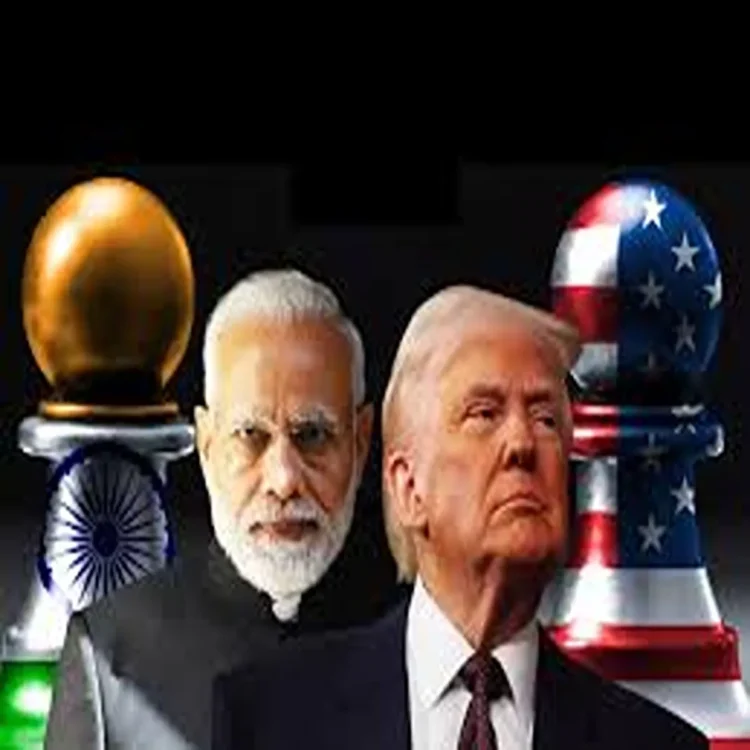
Market Access and Tariff Adjustments
Under the proposed agreement, Washington will ease tariffs on specific aircraft and aircraft components imported from India. These duties were originally imposed following national security reviews conducted in 2018. The revised framework indicates that those measures will be rolled back as part of efforts to rebalance trade flows and address longstanding industry concerns.
India, in turn, is expected to receive a preferential tariff rate quota for certain automotive parts shipped to the United States. These products had previously been subject to higher duties under a separate national security review in 2019. The preferential quota would allow Indian exporters improved access to the American market within defined limits.
The two sides also acknowledged that ongoing investigations under US trade law could influence pharmaceutical trade. Depending on the findings of a Section 232 review concerning pharmaceuticals and active ingredients, India may secure negotiated outcomes that protect its generic drug exports, which play a significant role in global healthcare supply chains.
India to Reduce Duties on US Goods
As part of the framework, New Delhi has committed to lowering or eliminating tariffs on a wide range of American industrial products. The scope includes machinery and other manufactured goods, along with several categories of agricultural and food items.
Among the agricultural products expected to benefit are dried distillers’ grains used in animal feed, red sorghum, various tree nuts, fresh and processed fruits, soybean oil, and alcoholic beverages such as wine and spirits. The move is seen as an effort to address concerns raised by US producers over market access barriers in India.
India has also agreed to review and address certain non-tariff barriers that have historically affected imports of American food and agricultural products. Officials described this step as part of a broader commitment to resolve outstanding trade irritants and build greater predictability into bilateral commerce.
Reciprocal Tariff Structure and Future Adjustments
The United States will apply a reciprocal tariff rate of 18 percent on a range of Indian-origin goods under a 2025 executive order. The affected categories include textiles and apparel, leather products, footwear, plastics, rubber goods, organic chemicals, home décor items, handicrafts, and selected machinery.
However, both governments indicated that these duties could be lifted on several products once the interim agreement is fully concluded. Items identified for potential tariff removal include generic medicines, gems and diamonds, and certain aircraft components. The final decision will depend on the successful implementation of the framework and further consultations between trade officials.
The joint statement emphasized that the two countries aim to provide each other with sustained preferential market access in sectors of strategic importance. The framework is viewed as a step toward deeper economic engagement rather than a standalone settlement.
Strategic Purchases and Long-Term Commitments
India has also outlined plans to significantly expand its imports from the United States over the next five years. The purchases, projected at $500 billion, are expected to cover energy products, aircraft and aviation components, precious metals, advanced technology goods, and coking coal.
Analysts say the scale of the proposed procurement underscores India’s intent to diversify supply sources while strengthening ties with one of its largest trading partners. For the United States, the arrangement could help narrow trade imbalances and create additional opportunities for exporters in energy, manufacturing, and high-technology sectors.
While details remain subject to final negotiation, the interim framework signals a renewed push by both governments to stabilize trade relations and foster economic cooperation in a changing global landscape.