
Tamil Nadu : MK Stalin Backs UGC Equality Committees, Calls Move Long-Awaited Academic Reform
Tamil Nadu : Chief Minister M. K. Stalin on Thursday publicly welcomed the University Grants Commission’s newly notified regulations aimed at strengthening equality in higher education institutions, describing the move as an overdue correction to long-standing structural imbalances. He said the guidelines could play a meaningful role in addressing caste- and gender-based discrimination across university campuses, calling them a necessary step toward a fairer academic environment.
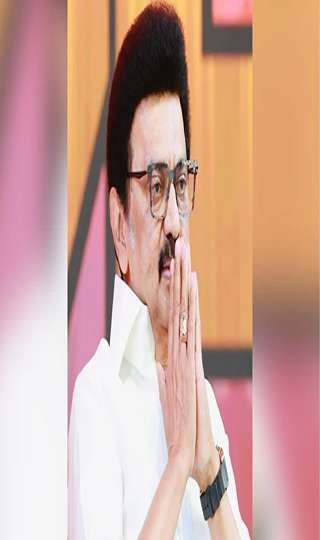
Support for UGC’s New Guidelines
The University Grants Commission recently introduced regulations requiring universities and colleges to establish Equality Committees. These bodies are intended to prevent discrimination based on caste, gender, region, religion, or social background, while promoting inclusion and dignity within academic spaces. Stalin said the intent behind the guidelines deserves strong institutional and public support, as discrimination has remained a persistent concern in India’s higher education system for decades.
Acknowledging Long-Standing Inequities
In a post shared on social media, the Chief Minister noted that exclusionary practices have been deeply embedded within academic institutions, often affecting students from marginalized and underrepresented communities. While he acknowledged that the UGC’s intervention had come later than it should have, he described it as a significant recognition of injustices that have gone unaddressed for years. According to him, reforms aimed at correcting these inequities should be encouraged rather than resisted.
Concerns Over Student Welfare
Stalin also drew attention to the mental and social pressures faced by students from disadvantaged backgrounds. He pointed to reports highlighting an increase in suicides among Scheduled Caste and Scheduled Tribe students in higher education institutions in recent years. He said such incidents underscore the urgent need for stronger safeguards within campuses to ensure equal treatment, emotional safety, and access to institutional support mechanisms.
Regional and Minority Discrimination
The Chief Minister further referred to accounts of discrimination and hostility experienced by students from southern states and minority communities. He said these patterns, when left unaddressed, undermine the purpose of higher education and weaken trust in academic institutions. In his view, universities should function as spaces of opportunity and learning, not as environments where social hierarchies are reinforced.
Criticism of Opposition to the Rules
Stalin expressed disapproval of attempts to roll back or dilute the newly introduced regulations. He described such opposition as reflective of a regressive mindset that fails to recognize the importance of social justice in education. He cautioned the Union government against yielding to pressure from groups seeking to reverse the reforms, urging it to preserve both the letter and spirit of the guidelines.
Questions on Committee Independence
While supporting the policy intent, Stalin also raised practical concerns about how Equality Committees would function on the ground. He questioned whether these bodies could operate independently if they are chaired or directly overseen by heads of institutions. According to him, committees designed to address discrimination must not be constrained by existing power structures within universities.
Call for Autonomy and Accountability
To ensure effectiveness, Stalin suggested that Equality Committees should be granted real autonomy and adequate authority. He argued that without insulation from institutional hierarchies, the committees may struggle to act impartially or win the confidence of students and staff. Empowering these bodies, he said, would be essential for translating policy objectives into meaningful change on campuses.
Broader Implications for Higher Education
The Chief Minister concluded that equality and dignity in educational spaces are not optional ideals but foundational principles. He emphasized that sustained reforms, backed by political will and institutional accountability, are necessary to build a higher education system that is inclusive, safe, and reflective of constitutional values.