
SupremeCourt – Top Court to Review Centre Appeal on IT Rules
SupremeCourt – The Supreme Court on Tuesday agreed to examine the Union government’s challenge to a Bombay High Court decision that invalidated amendments to the Information Technology Rules aimed at addressing misleading or false content about the government on social media platforms. However, the apex court declined to suspend the high court’s ruling while the matter is under consideration.
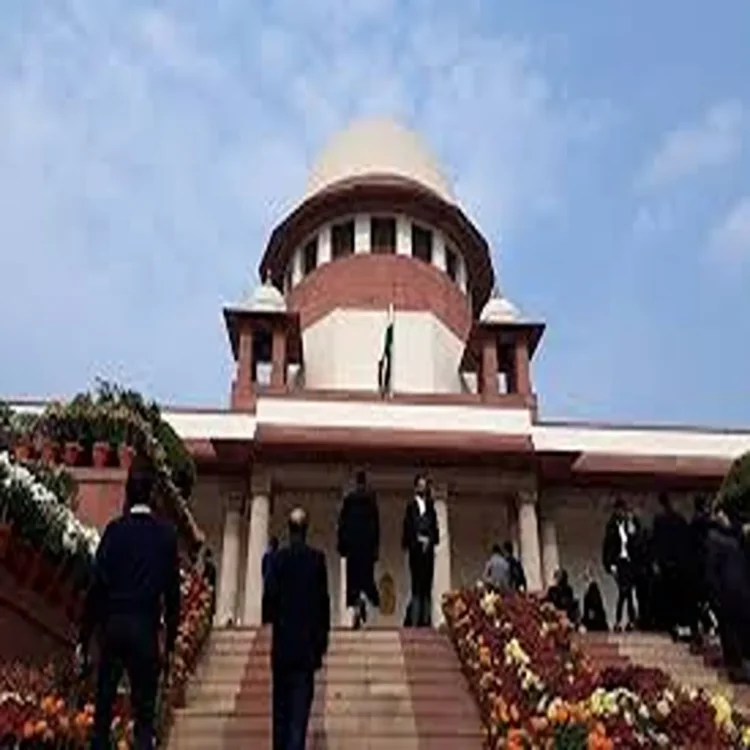
Supreme Court Issues Notices but Declines Interim Relief
A three-judge bench headed by Chief Justice of India Surya Kant, along with Justices R Mahadevan and Joymalya Bagchi, issued notices to several petitioners involved in the case. These include stand-up comedian Kunal Kamra, the Editors Guild of India, and the Association of Indian Magazines, among others.
While hearing the Centre’s appeal, the bench indicated that the matter involved significant questions and should be examined thoroughly rather than granting temporary relief. The court stated that a comprehensive adjudication would be more appropriate than suspending the earlier judgment at this stage.
Background of the Bombay High Court Ruling
The legal dispute stems from a Bombay High Court verdict delivered on September 26, 2024, which struck down the 2023 amendments to the Information Technology Rules. The court had concluded that the changes violated constitutional principles and could restrict free expression online.
The amendments were introduced by the Union government to address misinformation related to official activities. They proposed the creation of a government-run Fact-Check Unit tasked with identifying content considered fake or misleading concerning government affairs.
Government’s Argument on Tackling Misinformation
During the Supreme Court hearing, Solicitor General Tushar Mehta, representing the Centre, requested an interim stay on the high court order. He argued that the intention behind the amendments was not to impose blanket censorship but to address the spread of inaccurate or fabricated information online.
Mehta maintained that misinformation, particularly regarding government policies or national security issues, can have serious consequences. He stressed that the proposed framework aimed to ensure accountability among digital platforms without restricting legitimate expression.
Concerns Over Social Media Content
While considering the plea, Chief Justice Surya Kant expressed concern about the manner in which certain social media platforms function. Referring to examples placed before the court, he observed that some online posts involving the Indian Army and public policy matters demonstrated the potential risks posed by unverified information.
The Chief Justice questioned whether the current system places excessive responsibility on authorities to address such content while intermediaries may not bear adequate obligations in monitoring misinformation.
Petitioners Raise Issues Over Vagueness
Representing one of the respondents, senior advocate Arvind Datar argued that existing rules already provide mechanisms to remove problematic content within 24 hours. According to him, the amended rules were problematic because key terms such as misleading information were not clearly defined.
Datar also cited judicial precedents to argue that ambiguous language in regulations could lead to misuse or overreach. He contended that many examples cited by the government had already been removed under existing legal provisions.
Delay in Filing Appeal Condoned
The Supreme Court also addressed the Centre’s delay of more than 400 days in filing the appeal against the Bombay High Court verdict. The bench condoned the delay and allowed the case to proceed. It directed all parties to file their counter-affidavits within four weeks.
Origin of the Legal Dispute
The controversy revolves around the Information Technology (Intermediary Guidelines and Digital Media Ethics Code) Amendment Rules, 2023. These amendments empowered the government to establish a Fact-Check Unit to flag online content related to government work that it considered false or misleading.
Under the proposed framework, social media platforms such as X, Facebook, and YouTube would have been required to remove flagged content or risk losing their legal immunity, commonly known as safe harbour protection.
How the High Court Reached Its Verdict
The Bombay High Court’s decision followed a split verdict from a division bench earlier in the case. Justice A S Chandurkar later acted as the third judge and concluded that the rule was overly broad and lacked clarity.
According to the ruling, the provision had the potential to discourage legitimate speech and could affect both individuals and digital platforms. Following the tie-breaking opinion, a division bench consisting of Justices A S Gadkari and Neela Gokhale formally pronounced the majority judgment, declaring the contentious rule unconstitutional.
What Lies Ahead
With the Supreme Court now agreeing to review the matter, the legal battle over regulating misinformation online is set to continue. The outcome may have significant implications for how social media platforms handle disputed content related to government affairs while balancing constitutional protections for free expression.