
Supreme Court : Petition Questions Scope of UGC Equity Rules 2026
Supreme Court: A petition has been moved before the Supreme Court of India challenging specific provisions of the University Grants Commission’s 2026 equity regulations, arguing that they exclude certain groups from institutional grievance redressal. The case raises questions about whether the rules, intended to address discrimination in higher education, draw boundaries that leave some complainants without access to remedial mechanisms.
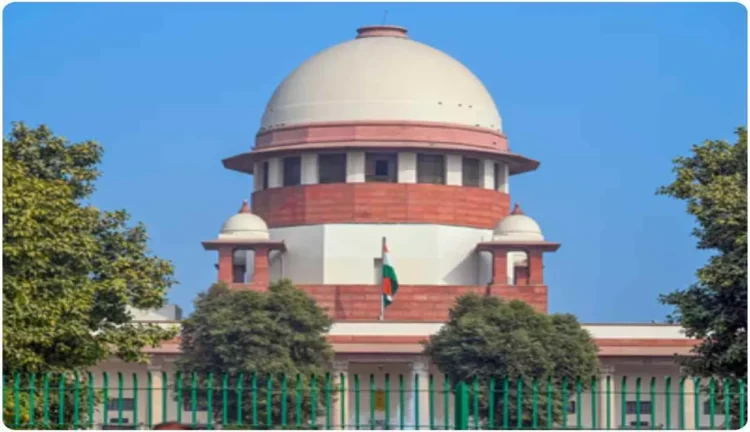
Challenge to UGC Regulations
The writ petition contests the University Grants Commission (Promotion of Equity in Higher Education Institutions) Regulations, 2026, with a particular focus on Regulation 3(c). According to the plea, this clause limits the recognition of caste-based discrimination to Scheduled Castes, Scheduled Tribes and Other Backward Classes, effectively excluding individuals from non-SC/ST/OBC categories from seeking relief under the framework.
Petitioner and Relief Sought
The petition has been filed by advocate Vineet Jindal, who has urged the court to restrain authorities from enforcing the disputed provision in its current form. He has sought directions to ensure that grievance redressal structures under the regulations operate without caste-based exclusion until the rule is reviewed or amended.
Alleged Exclusion in Definition
At the heart of the challenge is the definition adopted by the regulations for caste-based discrimination. The petitioner argues that by confining the term to specific reserved categories, the rule grants formal recognition of harm only to certain groups. This, the plea claims, leaves others outside its protective reach regardless of the seriousness or context of discrimination they may face.
Access to Grievance Mechanisms
The petition calls for interim measures to make institutional safeguards universally accessible. It seeks directions that Equal Opportunity Centres, Equity Helplines, inquiry committees and Ombudsperson processes created under the 2026 regulations be opened to all complainants in a caste-neutral manner, pending a final decision on the validity of Regulation 3(c).
Constitutional Grounds Raised
The challenge rests on constitutional arguments, asserting that denying access to grievance redressal based solely on caste identity amounts to impermissible state action. The plea cites violations of the equality guarantee under Article 14, the prohibition on discrimination under Article 15(1), and the right to life and dignity under Article 21 of the Constitution.
Concerns Over Presumptions in Policy
The petition also criticises what it describes as an underlying presumption in the regulations: that caste-based discrimination can occur only in one direction. According to the filing, such an assumption rules out, as a matter of law, the possibility that individuals from general or upper castes could experience caste-related hostility, intimidation or institutional bias.
Consistency With Stated Objectives
Another line of argument focuses on the internal coherence of the regulations. The plea notes that Regulation 2 outlines a broader goal of eliminating discrimination on multiple grounds, including caste, with particular attention to disadvantaged groups but not to the exclusion of others. By narrowing the scope elsewhere, the petitioner argues, the framework undermines its own stated purpose.
Impact on Academic Environment
Beyond legal inconsistencies, the petition flags potential consequences for campus life. It warns that the absence of neutral safeguards could discourage open academic discourse. The filing suggests that selective access to remedies may allow allegations to be misused while leaving other genuine grievances unaddressed, fostering fear of reputational damage and encouraging self-censorship among students and faculty members.
Prayer Before the Court
In conclusion, the petitioner has asked the court to strike down Regulation 3(c) of the 2026 regulations as unconstitutional. The case places the spotlight on how equity policies are framed and whether they balance targeted protection with inclusive access to justice within higher education institutions.