
SterilisationCase – Bilaspur Tragedy Verdict Holds Surgeon Responsible After Years
SterilisationCase – A district court in Chhattisgarh has delivered its long-awaited verdict in the 2014 Bilaspur sterilisation tragedy, holding a government surgeon responsible for the deaths of several women following a mass sterilisation drive. The ruling comes more than a decade after the incident raised serious concerns about public healthcare practices and safety standards.
Court Finds Surgeon Guilty of Negligence
Additional District Judge Shailesh Kumar found Dr. RK Gupta guilty of culpable homicide, concluding that the deaths were a result of reckless medical conduct. The court sentenced him to two years in prison and imposed a fine of Rs 25,000.
In addition to this, the court also handed down a six-month sentence under provisions related to endangering life through negligent actions, along with a nominal fine. The judgment emphasised that the procedures were carried out without adequate care, directly contributing to the fatal outcome.
Other Accused Acquitted Due to Lack of Evidence
While the surgeon was convicted, five other individuals who had been facing charges in connection with the case were acquitted. The court noted that there was insufficient evidence to establish their involvement or responsibility in the incident.
This aspect of the ruling reflects the challenges investigators faced in linking administrative or support staff directly to the operational failures that occurred during the sterilisation camps.
Mass Sterilisation Drive Led to Crisis
The incident took place in November 2014, when a series of government-organised sterilisation camps were conducted across Bilaspur district, including facilities in Sakri, Pendari, and Pendra.
During these camps, a large number of women underwent sterilisation procedures within a short period. Reports later indicated that the volume of surgeries performed far exceeded safe medical limits, raising serious questions about the planning and execution of the programme.
Women Fell Ill Soon After Procedures
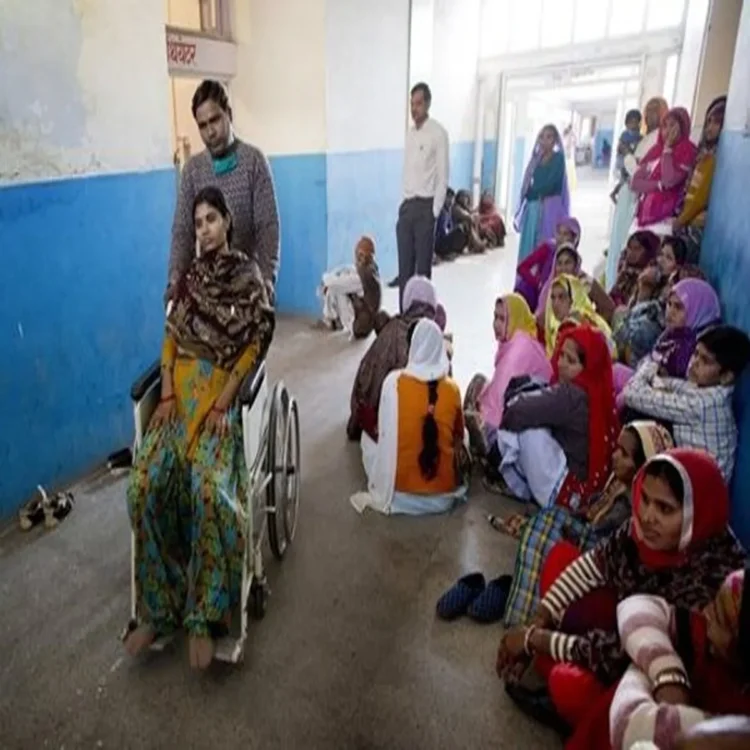
Shortly after undergoing the operations, many women began to experience severe health complications. Symptoms worsened rapidly, prompting authorities to shift more than 100 patients to hospitals, including the Chhattisgarh Institute of Medical Sciences and several private facilities.
Despite efforts to provide emergency care, 15 women died, turning the incident into one of the most tragic healthcare failures in recent years. The deaths sparked widespread outrage and brought national attention to the risks associated with poorly managed mass medical interventions.
Questions Raised Over Target-Based Policies
The tragedy also highlighted systemic issues within population control programmes, particularly the pressure to meet sterilisation targets. Experts and rights groups pointed out that such targets may encourage unsafe practices, compromising patient safety in the process.
The court, in its observations, underscored that conducting an excessive number of surgeries in a limited timeframe was a critical factor behind the incident. It stressed the need for stricter adherence to medical standards and patient care protocols.
A Case That Shaped Public Health Debate
Over the years, the Bilaspur case has remained a reference point in discussions around healthcare accountability and ethical medical practices in India. The verdict is expected to reinforce the importance of maintaining safety and oversight in government-run health initiatives.
While the judgment brings a measure of closure to the families affected, it also serves as a reminder of the consequences of negligence in critical healthcare services.