
Shipping – Tensions Persist as Indian Oil Vessels Navigate Hormuz Route
Shipping – Two additional merchant ships transporting petroleum products to India were expected to pass through the Strait of Hormuz on Saturday, as geopolitical strain continues to affect one of the world’s most critical maritime passages. The situation has created uncertainty for global shipping, particularly for countries dependent on energy imports through the region.
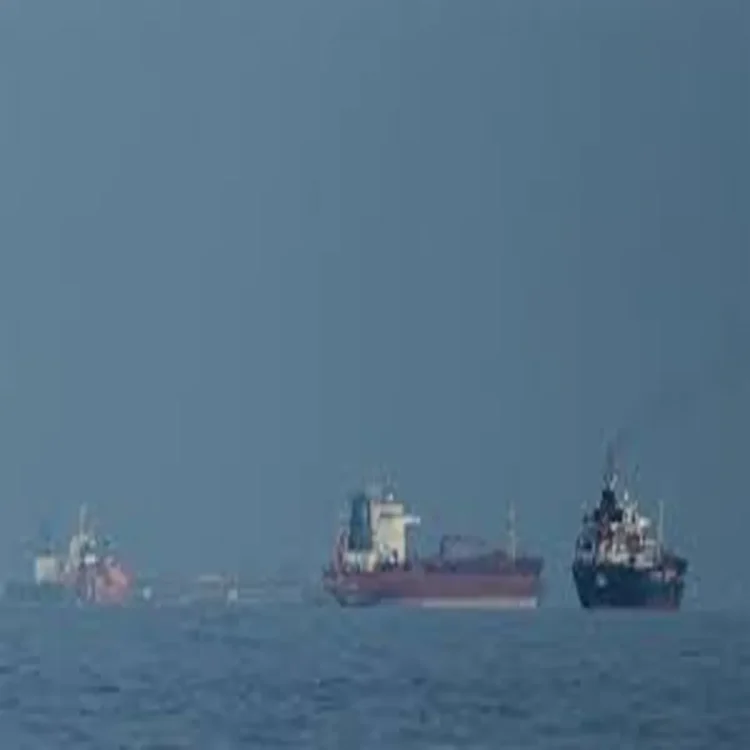
Regional tensions disrupt key maritime corridor
The movement of vessels comes at a time when the region remains tense following recent confrontations involving major global powers. Iran has asserted that it now exercises full control over the Strait of Hormuz, a claim that has heightened concerns among shipping operators and governments alike.
This narrow waterway is a crucial route for global oil transport, and any disruption has immediate implications for international energy markets. Shipping companies have already begun adjusting schedules due to delays and restricted access.
India monitors situation, deploys naval support
Sources indicate that Indian naval ships have been stationed near important ports to assist commercial vessels if needed. Additional ships are also expected to arrive safely from the Strait in the coming days, suggesting that authorities are taking precautionary measures to ensure uninterrupted supply.
Government officials have emphasized that the situation is being closely tracked. Coordination between various ministries and maritime stakeholders is ongoing to address any emerging challenges related to shipping or logistics.
Iran signals access for select countries
In a recent statement, Iran’s Foreign Minister Abbas Araghchi indicated that the Strait remains accessible for certain nations considered friendly. These reportedly include India, China, Russia, Iraq, and Pakistan. This assurance has provided some relief, although shipping remains cautious due to the evolving security landscape.
Despite this, reports suggest that transit through the Strait is being tightly controlled, with only limited vessel movement permitted. This has resulted in delays and, in some cases, ships waiting longer than usual before being allowed to pass.
Safe passage confirmed for Indian vessels
India’s Ministry of External Affairs confirmed that four ships carrying liquefied petroleum gas have already reached Indian shores after successfully crossing the Strait. The ministry also stated that it remains in constant communication with relevant countries to facilitate the safe movement of Indian vessels.
Officials reiterated that ensuring energy security remains a top priority, especially given the importance of steady fuel supplies for the country’s economy.
No incidents reported involving Indian crew
At a recent media briefing, senior government officials reported no incidents involving Indian-flagged ships or Indian seafarers in the Gulf region over the past 24 hours. Around 20 Indian vessels, carrying approximately 540 crew members, are currently operating in the Persian Gulf, and all personnel have been confirmed safe.
Authorities have also reassured that port operations within India continue without disruption. There have been no reports of congestion, and normal activities are being maintained across all major ports.
Strategic importance of the Strait of Hormuz
The Strait of Hormuz plays a vital role in global energy trade, handling nearly one-fifth of the world’s petroleum shipments. Any restriction or instability in this corridor can have widespread consequences for oil prices and supply chains worldwide.
As tensions persist, countries dependent on imported energy are likely to remain vigilant. The current situation highlights the importance of maritime security and international cooperation in maintaining the steady flow of essential resources.