
Security – Centre Moves CAPF Administration Bill in Lok Sabha Debate
Security – The Union government is set to introduce a key legislative proposal concerning the functioning of Central Armed Police Forces in the Lok Sabha, marking another step in its broader administrative reforms agenda.
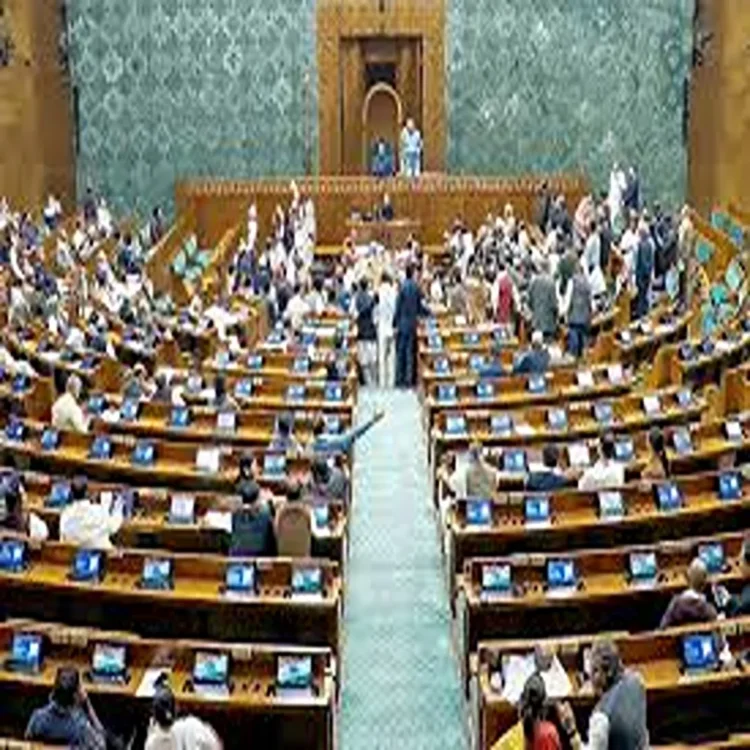
Bill Scheduled for Introduction in Lower House
Union Home Minister Amit Shah is expected to present the Central Armed Police Forces (General Administration) Bill, 2026, in the Lok Sabha on Thursday. The proposed legislation has already cleared the Rajya Sabha, where it was passed a day earlier despite strong objections from Opposition parties. The Bill outlines a structured approach to filling senior-level positions within the CAPFs through deputation.
According to the provisions, half of the posts at the Inspector General level will be filled through deputation. At the level of Additional Director General, at least 67 per cent of positions will be occupied through the same mechanism. Furthermore, all posts at the ranks of Special Director General and Director General are to be filled exclusively via deputation.
Opposition Raises Concerns Over Judicial Alignment
The passage of the Bill in the Upper House was marked by a walkout by Opposition members, who argued that the provisions conflict with a Supreme Court directive issued in 2025. That ruling had recommended a gradual reduction in deputation-based appointments within CAPFs, particularly up to the Senior Administrative Grade, within a defined timeframe.
Opposition leaders have questioned whether the proposed law aligns with the spirit of that judgment. They contend that instead of reducing deputation, the Bill formalises and expands its role in senior appointments, raising concerns about cadre management and career progression within the forces.
Political Timing Questioned by Opposition Leaders
In the Lok Sabha, Congress MP Manickam Tagore criticised the timing of the Bill’s introduction. He alleged that the government deliberately scheduled it on a day when Leader of Opposition Rahul Gandhi is engaged in a pre-planned political rally in Assam. According to Tagore, this could limit the Opposition’s ability to fully participate in the debate on the legislation.
The government, however, has not publicly responded to these claims and has maintained that the legislative schedule follows parliamentary procedures.
Parallel Legislative Developments in Parliament
Alongside the CAPF Bill, Amit Shah is also set to introduce the Andhra Pradesh Reorganisation (Amendment) Bill, 2026, in the Lok Sabha. This Bill seeks to formally recognise Amaravati as the sole capital of Andhra Pradesh. It has already been passed in the Lower House earlier this week, indicating swift progress on the matter.
In addition to these legislative items, reports from the Standing Committee on Rural Development and Panchayati Raj are scheduled to be presented in both Houses of Parliament. These reports are expected to provide insights into ongoing rural development initiatives and governance at the grassroots level.
Financial Reports and Routine Business on Agenda
Union Minister of State for Finance, Pankaj Chaudhary, will also table reports prepared by the Comptroller and Auditor General of India. These documents typically review government expenditure and financial accountability across various departments.
Private Members’ Business is also listed as part of the day’s proceedings in both Houses. This segment allows non-ministerial members of Parliament to introduce their own legislative proposals and raise issues of public importance.
As Parliament continues its session, the CAPF Bill is likely to generate detailed discussions, particularly around administrative control, judicial compliance, and the broader implications for internal security forces. The outcome of these debates could shape the future structure and functioning of India’s paramilitary leadership framework.